How to Increase Hemoglobin Naturally Fast
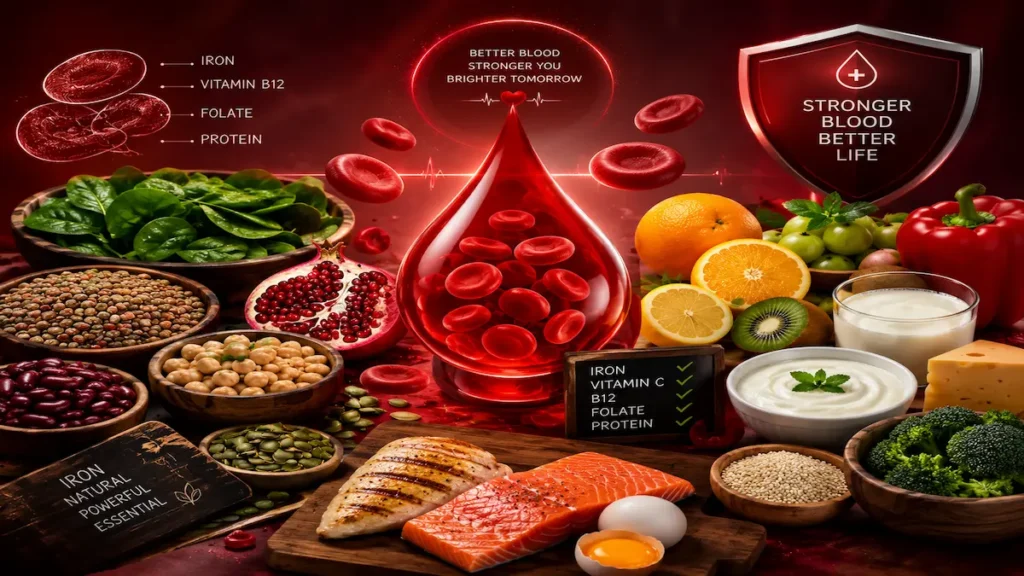
How to increase hemoglobin naturally is a common concern for people experiencing tiredness, weakness, dizziness, or low energy levels. Hemoglobin is an essential protein found inside red blood cells that helps transport oxygen from the lungs to every part of the body. This oxygen supply allows your organs, muscles, and tissues to function properly and maintain energy levels.
When hemoglobin levels become low, the body may not receive enough oxygen, which can lead to fatigue, weakness, poor concentration, and shortness of breath. Low hemoglobin is commonly associated with iron deficiency, but other factors such as vitamin B12 deficiency, folate deficiency, pregnancy, blood loss, and certain medical conditions can also affect hemoglobin production.
The good news is that many people can increase hemoglobin naturally by improving their diet, increasing essential nutrients, and following healthy lifestyle habits. However, persistent low hemoglobin should always be evaluated by a healthcare professional to identify the exact cause.
Key Takeaways
- Increase hemoglobin naturally with iron-rich foods, vitamin C, B12, folate, and a balanced diet.
- Healthy nutrition supports red blood cell production and improves overall blood health.
- Persistent low hemoglobin may require medical evaluation to identify the underlying cause.
What Is Hemoglobin and Why Is It Important?
Hemoglobin is an iron-containing protein inside red blood cells. It binds with oxygen in the lungs and carries it throughout the body. It also helps transport carbon dioxide back to the lungs for removal.
Healthy hemoglobin levels are important for maintaining energy, supporting brain function, improving physical performance, and ensuring that every organ receives enough oxygen. When hemoglobin decreases, even normal daily activities may feel more difficult because the body is not getting enough oxygen.
Common Signs of Low Hemoglobin
Low hemoglobin symptoms may appear slowly and are sometimes mistaken for stress or lack of sleep. Common symptoms include constant fatigue, weakness, pale skin, dizziness, headaches, shortness of breath, cold hands and feet, difficulty concentrating, and increased heartbeat.
A blood test such as a Complete Blood Count (CBC) is the most accurate way to determine whether hemoglobin levels are low.
Ways to Increase Hemoglobin Naturally
Eat Iron-Rich Foods
Iron is one of the most important nutrients required for hemoglobin production. Your body needs iron to create healthy red blood cells and maintain normal oxygen transport.
Foods such as spinach, lentils, chickpeas, beans, tofu, pumpkin seeds, sesame seeds, eggs, fish, chicken, and lean meat are good sources of iron. Including a variety of these foods in your regular diet can support natural hemoglobin production.
Plant-based iron sources are especially beneficial when combined with foods that improve iron absorption.
Improve Iron Absorption With Vitamin C
Vitamin C plays an important role in helping your body absorb iron more effectively. Many plant-based iron sources contain non-heme iron, which is absorbed better when vitamin C is present.
Foods like amla, guava, oranges, lemon, kiwi, tomatoes, and bell peppers can improve iron absorption. Adding lemon juice to lentils or including vitamin C-rich fruits with meals is a simple way to support better nutrient absorption.
Include Vitamin B12 and Folate-Rich Foods
Iron alone is not enough for healthy hemoglobin production. Vitamin B12 and folate are also essential for forming healthy red blood cells.
Vitamin B12 is found mainly in foods such as eggs, milk, yogurt, fish, chicken, and cheese. Folate-rich foods include green leafy vegetables, lentils, beans, broccoli, and avocados.
People following vegetarian or vegan diets may be at a higher risk of vitamin B12 deficiency and should consider checking their levels if symptoms of low hemoglobin appear.
Maintain Enough Protein Intake
Protein provides essential nutrients needed for red blood cell formation. A diet that lacks adequate protein may affect the body’s ability to maintain healthy blood cells.
Including eggs, fish, chicken, dairy products, lentils, beans, soy products, nuts, and seeds can help provide the amino acids required for normal body functions.
Avoid Habits That Reduce Iron Absorption
Certain drinks can interfere with iron absorption when consumed with meals. Tea and coffee contain compounds that may reduce the amount of iron your body absorbs.
If you are trying to improve hemoglobin levels, avoid drinking tea or coffee immediately after iron-rich meals. Keeping a gap of one to two hours can help your body absorb more nutrients.
Support Healthy Blood Production With Lifestyle Changes
A healthy lifestyle works together with proper nutrition to support hemoglobin levels. Getting enough sleep, staying physically active, drinking adequate water, avoiding smoking, and managing existing health conditions can contribute to better overall blood health.
When Should You See a Doctor?
Dietary changes can help when low hemoglobin is caused by nutritional deficiencies. However, medical advice is important if symptoms continue or hemoglobin levels remain low.
You should consult a healthcare professional if you experience severe fatigue, chest pain, fainting, shortness of breath, heavy bleeding, or unexplained weakness. Proper testing can help identify whether the cause is iron deficiency, vitamin deficiency, or another health condition.
Bottom Line
To increase hemoglobin naturally, focus on a nutrient-rich diet that includes iron, vitamin C, vitamin B12, folate, and enough protein. Simple changes such as eating iron-rich foods regularly, improving iron absorption, and maintaining healthy lifestyle habits can support better blood health.
However, low hemoglobin is sometimes a sign of an underlying health issue. If symptoms continue despite dietary improvements, consult a healthcare professional for proper diagnosis and treatment.
Frequently Asked Questions
How can I increase hemoglobin naturally fast?
Eating iron-rich foods, improving iron absorption with vitamin C, and correcting vitamin B12 or folate deficiencies can help support healthy hemoglobin levels.
Which foods help increase hemoglobin?
Iron-rich foods such as spinach, lentils, beans, eggs, fish, chicken, and pumpkin seeds can support hemoglobin production.
Does pomegranate increase hemoglobin?
Pomegranate contains antioxidants and nutrients that support overall health, but it should not be considered the only solution for low hemoglobin.
How long does it take to improve hemoglobin naturally?
The time depends on the cause of low hemoglobin. Nutritional deficiencies may improve within weeks, while other medical causes may require longer treatment.
References
- World Health Organization (WHO) – Anaemia
- National Institutes of Health (NIH) Office of Dietary Supplements – Iron Fact Sheet for Health Professionals
- National Institutes of Health (NIH) Office of Dietary Supplements – Vitamin B12 Fact Sheet for Health Professionals
- American Society of Hematology – Anemia

Medical Disclaimer
This content is for informational purposes only and should not be considered medical advice.