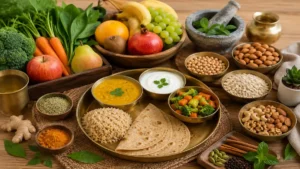
7 Best Foods for High Uric Acid to Support Healthy Levels
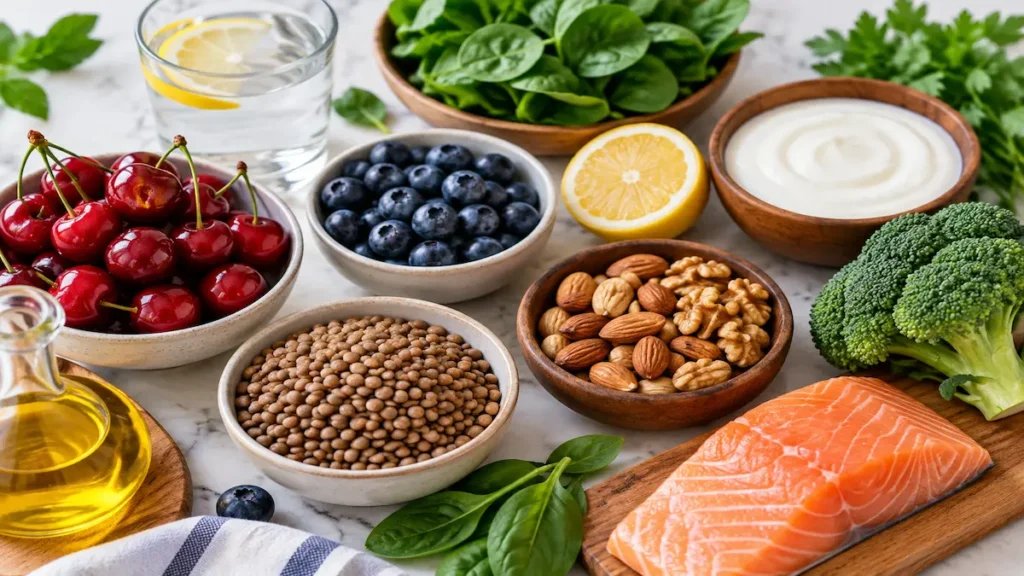
Choosing the best foods for high uric acid can make everyday eating simpler and more balanced. Instead of focusing only on foods to avoid, build your meals around nutritious choices that support overall health while limiting foods and drinks commonly associated with higher uric acid and gout.
Uric acid is produced when the body breaks down purines, substances found naturally in the body and in certain foods. When uric acid builds up, crystals can form in and around the joints and may trigger gout. Diet can influence uric acid levels and gout risk, but it is only one part of management. Some people with gout may also need medication to help control uric acid levels and prevent recurring attacks.
Key Takeaway
- No single “superfood” can cure gout or dramatically lower uric acid.
- A balanced eating pattern can help support healthy uric acid management.
- Staying well hydrated and maintaining a healthy weight may help reduce the risk of gout attacks.
- Diet works best alongside appropriate medical care, especially for people with gout or persistently high uric acid.
Best Foods for High Uric Acid: 7 Healthy Choices
1. Cherries: promising, but not a treatment
Cherries are among the most studied foods in relation to gout. They contain anthocyanins, plant pigments with antioxidant and anti-inflammatory properties. Some studies suggest cherry intake is associated with fewer gout flares, although the evidence is not strong enough to treat cherries as medicine.
Cherries can be included among the best foods for high uric acid as part of a balanced diet. Choose fresh or frozen unsweetened cherries when available, as sweetened cherry drinks can add a large amount of sugar, which works against the broader goal of limiting sugary beverages.
2. Vitamin C-rich whole fruits
Vitamin C may have a modest uric-acid-lowering effect in some people. Instead of depending on supplements, foods such as guava, amla, oranges, strawberries, bell peppers and broccoli can help increase vitamin C intake while adding fiber and other nutrients.
Whole fruit is generally a better everyday choice than juice because it retains fiber and is less easy to consume in large amounts. Supplements are different from food: if you have kidney disease, take medicines, or are considering a high-dose vitamin C supplement, discuss it with a healthcare professional.
3. Low-fat milk, curd and yogurt
Low-fat dairy is a useful protein option for people trying to reduce reliance on red and organ meats. Observational and dietary research has linked dairy intake with lower uric acid or gout risk in some populations.
Plain curd, yogurt or milk is preferable to heavily sweetened versions. If dairy does not suit you, focus on the overall dietary pattern rather than forcing a single food into your routine.
4. Vegetables — including many that contain purines
People with high uric acid sometimes avoid spinach, peas, cauliflower, or asparagus because they contain purines. However, these vegetables generally do not need to be excluded from the diet. Purine-rich vegetables do not appear to carry the same gout risk as high-purine animal foods, so they can still be part of a balanced eating pattern.
Build meals around a variety of vegetables: leafy greens, carrots, broccoli, bell peppers, gourds and other seasonal options. The benefit is not that one vegetable ‘flushes out’ uric acid, but that a vegetable-rich diet supports weight, blood pressure and metabolic health.
5. Lentils, beans and chickpeas
Dal, rajma, chickpeas, and other legumes can be included among the best foods for high uric acid as part of a balanced diet. They provide plant protein and fiber and can be a practical alternative to some red or processed meats. Despite containing purines, plant proteins are not generally associated with the same gout risk as organ meats and certain seafood.
Portion size still matters, particularly if you have kidney disease or have received individualized dietary advice. For most people, however, legumes can fit comfortably into a balanced gout-friendly eating pattern.
6. Whole grains and minimally processed carbohydrates
Oats, brown rice, whole-wheat roti and other whole grains provide complex carbohydrates and fiber. They do not directly act as uric-acid-lowering drugs, but they can support a healthier overall eating pattern and weight management.
This matters because excess body weight is associated with gout, and gradual weight loss may lower uric acid and reduce attacks. Avoid crash diets or extreme fasting, which are not a sensible strategy for gout management.
7. Water: simple, important and often overlooked
Water is also an important part of a diet built around the best foods for high uric acid. Staying well hydrated can help prevent dehydration, while replacing sugary drinks with water also reduces the intake of fructose-heavy beverages that may contribute to higher uric acid levels.
Fluid needs vary, and people with heart failure, advanced kidney disease or a prescribed fluid restriction should follow their clinician’s advice rather than deliberately increasing water intake.
What matters more than chasing a single superfood?
The strongest practical message is the overall eating pattern. A DASH- or Mediterranean-style diet emphasizes vegetables, whole fruits, whole grains, legumes, nuts, and appropriate lean proteins. Research suggests that DASH-style eating may help support lower serum uric acid levels, particularly in people who already have higher levels.
At the same time, limit or avoid the factors most consistently associated with gout: organ meats, large amounts of red meat, certain high-purine seafood, alcohol—especially beer—and sugar-sweetened or high-fructose drinks. During a gout attack, alcohol is best avoided.
A simple Indian-style day of eating
| Meal | Example |
| Breakfast | Vegetable oats or whole-grain poha + plain curd + whole fruit |
| Lunch | 2 whole-wheat rotis + dal + mixed vegetables + salad + plain curd |
| Snack | Guava, orange or a small serving of unsweetened cherries when available |
| Dinner | Vegetable-rich meal with dal/chickpeas and a moderate portion of whole grains |
| Drinks | Water; limit sugary drinks and alcohol |
When food is not enough
Persistently high uric acid does not always mean gout, and a gout diagnosis should not be made from a blood test or online symptom list alone. If you have repeated episodes of sudden severe joint pain, swelling, redness, kidney stones, or known gout with recurring attacks, seek medical evaluation. Long-term urate-lowering treatment may be needed in appropriate patients; diet should complement—not replace—prescribed treatment.
HealthBel perspective
Instead of looking for a single food that promises to “remove uric acid,” focus on the best foods for high uric acid as part of sustainable daily habits. Choose mostly whole foods, stay well hydrated, limit alcohol and sugary drinks, watch portion sizes, and aim for gradual weight management when needed. This balanced approach is more consistent with current evidence and easier to maintain than relying on restrictive diets or so-called miracle foods.
Sources & Evidence
- American College of Rheumatology — 2020 Guideline for the Management of Gout
- Mayo Clinic — Gout Diet: What’s Allowed, What’s Not
- Mayo Clinic — Gout: Diagnosis and Treatment
- NHS — Gout: Symptoms, Treatment and Self-Care
- Arthritis Foundation — Gout Diet: Dos and Don’ts

Medical Disclaimer
This content is for informational purposes only and should not be considered medical advice.