Psoriasis Diet: Best Foods for Healthy Skin
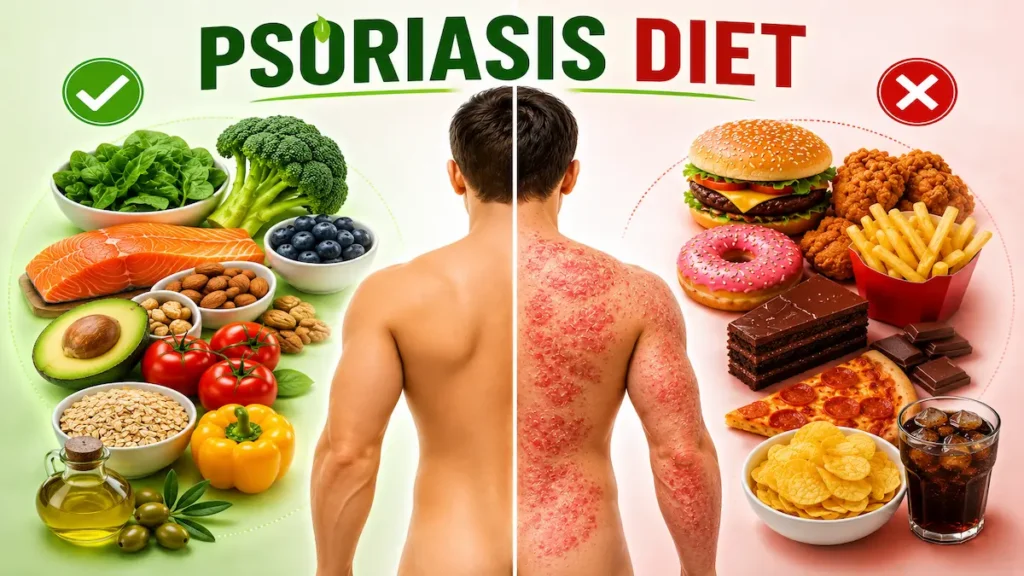
Psoriasis is a long-term skin condition that causes red, thick, dry, and itchy patches on the skin. Some people may also feel pain, burning, or cracked skin. The symptoms may come and go. Sometimes the skin becomes better, and sometimes it gets worse. This is called a psoriasis flare-up.
Many people ask if changing their diet can help psoriasis. The simple answer is yes, but only to some extent. There is no special food that can cure psoriasis. However, eating healthy foods may help lower inflammation inside the body. It can also help you stay at a healthy weight, which may reduce flare-ups in some people.
A healthy Psoriasis Diet focuses on anti-inflammatory foods that support healthy skin, reduce flare-ups, and improve overall health. While diet cannot cure psoriasis, following a balanced Psoriasis Diet may help manage symptoms.
On the other hand, eating too much sugar, fried food, processed food, or alcohol may make psoriasis worse for some people.
Every person is different. A food that causes a flare-up in one person may not affect someone else. That is why it is a good idea to eat healthy foods and notice how your body reacts.
In this guide, you will learn:
- The best foods to eat for psoriasis
- Foods that may make psoriasis worse
- Easy diet tips for healthy skin
- Simple eating habits that may help reduce flare-ups
Key Takeaways
- There is no diet that can cure psoriasis, but healthy eating may help manage symptoms.
- Eat more fruits, vegetables, whole grains, fish, beans, nuts, and olive oil to support healthy skin.
- Limit sugary foods, fried foods, processed foods, and alcohol to help reduce inflammation.
- Maintain a healthy weight and continue taking your prescribed medicines while following your doctor’s advice.
What Is Psoriasis?
Psoriasis is a long-term skin condition that causes red, dry, itchy, and thick patches on different parts of the body.It happens when the body’s immune system becomes overactive. Because of this, new skin cells grow too fast. Instead of shedding normally, they build up on the skin and form thick patches.
These patches may appear on:
- Elbows
- Knees
- Scalp
- Hands
- Feet
- Lower back
Common symptoms include:
- Red patches of skin
- White or silver scales
- Dry and cracked skin
- Itching
- Burning
- Pain
- Bleeding after scratching
Psoriasis is not contagious. You cannot catch it from another person by touching or sharing food.
Can a Psoriasis Diet Help Manage Symptoms?
Many people believe that food can cure psoriasis. This is not true.
There is no diet that can completely cure psoriasis. However, healthy eating may help your body in many ways.
A healthy diet may:
- Help reduce inflammation
- Support your immune system
- Help you maintain a healthy weight
- Improve heart health
- Give your body important vitamins and minerals
Many people with psoriasis are also at a higher risk of obesity, diabetes, and heart disease. Eating healthy foods can lower the risk of these health problems.
If you have psoriasis, think of diet as one part of your treatment plan. A balanced Psoriasis Diet works best when combined with your prescribed medicines, regular skincare, and a healthy lifestyle. It works best along with the medicines and skincare recommended by your doctor.
Best Foods to Eat for Psoriasis
The best Psoriasis Diet includes fruits, vegetables, whole grains, healthy fats, and lean protein to support healthy skin and overall well-being. Some foods contain vitamins, healthy fats, and fiber that may help your body fight inflammation. Adding these foods to your daily meals may support healthy skin.
1. Green Leafy Vegetables
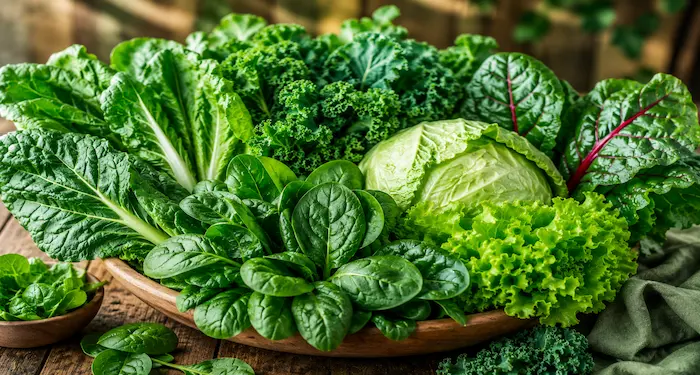
Green leafy vegetables are some of the healthiest foods you can eat.
They are rich in vitamins, minerals, and natural plant nutrients that help protect your body. They are low in calories and rich in fiber, making them a smart choice for a healthy diet.
Some good choices are:
- Spinach
- Kale
- Cabbage
- Lettuce
- Collard greens
- Swiss chard
You can enjoy them in salads, soups, sandwiches, or cooked vegetables.
Easy Tip: Try to eat at least one serving of green vegetables every day.
2. Fatty Fish
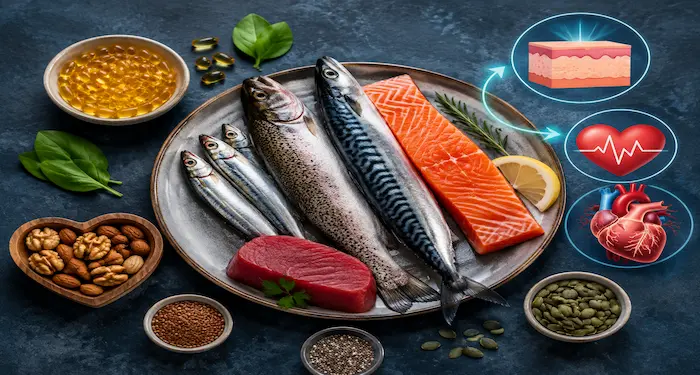
Fatty fish are one of the richest natural sources of healthy omega-3 fats. These are healthy fats that may help reduce inflammation.
Healthy fish include:
- Salmon
- Sardines
- Tuna
- Mackerel
- Trout
- Herring
Many health experts suggest eating fish two times a week.
Besides helping the skin, omega-3 fats also support heart health. This is important because people with psoriasis have a higher chance of developing heart disease.
If fish is not part of your regular diet, talk to your doctor to find out if an omega-3 supplement is a good choice for you. Fatty fish are an important part of a Psoriasis Diet because they provide omega-3 fatty acids.
3. Whole Grains
Whole grains give your body more fiber than refined foods like white bread and white rice.
Fiber helps your digestive system work well and keeps you full for longer. It may also help you manage your weight.
Healthy whole grains include:
- Brown rice
- Oats
- Whole wheat bread
- Whole wheat pasta
- Barley
- Quinoa
When buying packaged foods, read the label. Choose products that list whole grain or whole wheat as the first ingredient. Whole grains are one of the healthiest choices in a Psoriasis Diet.
4. Olive Oil
Olive oil is a healthy cooking oil that you can use in your daily meals.
It contains healthy fats that may help lower inflammation.
You can use olive oil:
- On salads
- For light cooking
- On roasted vegetables
- In homemade dressings
If olive oil is not available, avocado oil is another healthy choice.
Extra virgin olive oil is commonly recommended in a Psoriasis Diet.
5. Fresh Fruits
Fruits are full of vitamins, minerals, and fiber. They also contain natural antioxidants that help protect your body.
Try eating fruits of different colors because each color provides different nutrients.
Healthy fruits include:
- Apples
- Oranges
- Berries
- Cherries
- Grapes
- Watermelon
- Pineapple
Instead of eating sweets after meals, choose fresh fruit.
Fresh fruits are an essential part of a Psoriasis Diet.
6. Beans and Lentils
Beans and lentils are healthy sources of plant protein.
They also contain plenty of fiber, which helps digestion and keeps you feeling full.
Good choices include:
- Kidney beans
- Black beans
- Chickpeas
- Lentils
- Pinto beans
Try replacing red meat with beans once or twice a week.
Beans and lentils are excellent plant proteins in a Psoriasis Diet.
7. Nuts and Seeds
Nuts and seeds are small but full of healthy nutrients.
They contain:
- Healthy fats
- Protein
- Fiber
- Vitamins
- Minerals
Good choices include:
- Almonds
- Walnuts
- Pistachios
- Chia seeds
- Flaxseeds
Because nuts are high in calories, eat only a small handful each day.
They make a healthy snack between meals.
8. Herbs and Spices
Many herbs and spices add flavor without adding extra sugar or too much salt.
Some also contain natural compounds that may help reduce inflammation.
Healthy choices include:
- Turmeric
- Ginger
- Cinnamon
- Basil
- Rosemary
- Oregano
- Dill
- Cumin
A healthy Psoriasis Diet should include a variety of colorful fruits, vegetables, whole grains, and healthy fats every day.
Psoriasis Diet Plan: What to Eat and What to Avoid
A healthy diet cannot cure psoriasis, but it may help reduce inflammation, support healthy skin, and lower the risk of flare-ups. Choosing nutritious foods and avoiding common trigger foods can make a big difference in your overall health. Following a healthy Psoriasis Diet every day may help reduce inflammation and make it easier to manage psoriasis symptoms.
| Food Group | Healthy Choices |
|---|---|
| 🥬 Green Vegetables | Spinach, kale, cabbage, broccoli |
| 🍎 Fresh Fruits | Apples, oranges, berries, grapes |
| 🌾 Whole Grains | Brown rice, oats, quinoa, barley |
| 🐟 Healthy Protein | Salmon, tuna, beans, lentils |
| 🥑 Healthy Fats | Olive oil, avocado, nuts, seeds |
| 🥛 Dairy | Low-fat milk, yogurt |
| 🌿 Herbs | Turmeric, ginger, cinnamon |
| 💧 Drinks | Water, green tea |
| Food Group | Examples |
|---|---|
| Sugary Foods | Candy, cakes, cookies, chocolate, ice cream |
| Sugary Drinks | Soft drinks, energy drinks, sweet tea, packaged fruit drinks |
| Fried Foods | French fries, fried chicken, fried snacks |
| Processed Foods | Instant noodles, chips, frozen meals, packaged snacks |
| Processed Meats | Bacon, sausages, hot dogs, salami |
| Fatty Red Meat | Beef, lamb, fatty pork |
| Refined Grains | White bread, white rice, white pasta, pastries |
| Alcohol | Beer, wine, liquor (may trigger flare-ups) |
| Possible Triggers | Full-fat dairy, spicy foods, gluten (only if sensitive) |
Why Are These Foods Good for Psoriasis?
Most of the foods listed above have three things in common.
They:
- Help lower inflammation
- Support your immune system
- Provide vitamins and fiber
These foods cannot cure psoriasis, but they may help your body stay healthier and may reduce flare-ups in some people.
Eating healthy every day is also good for your heart, digestion, and overall well-being.
Foods That May Make Psoriasis Worse
Not every food affects every person in the same way. However, many people notice that certain foods seem to trigger their psoriasis.
Keeping a simple food diary can help you find out which foods may be causing your flare-ups.
The next section will explain the foods that many people with psoriasis choose to limit or avoid, including sugary foods, fried foods, processed foods, alcohol, and refined grains.
Foods to Avoid if You Have Psoriasis
A good Psoriasis Diet is not only about eating healthy foods but also about limiting foods that may trigger flare-ups.
1. Sugary Foods and Drinks
Eating too much sugar may lead to weight gain and increase inflammation. Both of these can make psoriasis harder to manage.
Try to eat less of these foods:
- Candy
- Chocolate
- Cakes
- Cookies
- Ice cream
- Sweet cereals
- Soft drinks
- Energy drinks
- Sweet tea
- Packaged fruit drinks
Instead, choose fresh fruit when you want something sweet.
2. Fatty Red Meat
Red meat contains a lot of saturated fat. Eating too much may increase inflammation in some people.
Try to limit:
- Beef
- Lamb
- Bacon
- Sausages
- Processed meat
If you enjoy meat, choose lean chicken, fish, or plant-based protein more often.
3. Fried Foods
Fried foods are usually high in unhealthy fat. They may also contain harmful compounds that are formed during high-temperature cooking.
Examples include:
- French fries
- Fried chicken
- Fried snacks
- Fast food
Choose healthier cooking methods such as:
- Boiling
- Steaming
- Baking
- Grilling
These methods are better for both your skin and your heart.
4. Refined Grains
Refined grains lose much of their fiber during processing.
Examples include:
- White bread
- White rice
- White pasta
- Cakes
- Pastries
Choose whole grains whenever possible because they keep you full longer and provide more nutrients.
5. Ultra-Processed Foods
Many packaged foods contain extra sugar, salt, unhealthy fats, and food additives.
These foods include:
- Instant noodles
- Frozen ready meals
- Packaged snacks
- Chips
- Processed meats
- Fast food
Fresh, home-cooked meals are usually the healthier choice.
6. Alcohol
Alcohol may make psoriasis worse for some people. It can also reduce the effect of certain psoriasis medicines.
If you drink alcohol, talk to your doctor about what is safe for you. People with severe psoriasis may benefit from avoiding alcohol completely.
7. Dairy Products
Some people notice that full-fat milk, cheese, butter, and cream make their psoriasis worse.
This does not happen to everyone.
You can try reducing dairy for a few weeks and see if your skin improves. Make sure you still get enough calcium from other healthy foods if you eat less dairy.
8. Spicy Foods
Spicy foods do not affect everyone, but they may trigger flare-ups in some people.
If you think spicy food is a problem, try avoiding it for about one month and watch for changes in your skin.
9. Gluten (Only for Some People)
People with psoriasis are more likely to have gluten sensitivity or celiac disease than those without the condition.
Foods that contain gluten include:
- Bread
- Pasta
- Cakes
- Biscuits
- Some cereals
Do not stop eating gluten unless your doctor advises it or you notice that it clearly makes your symptoms worse.
Can Losing Weight Help Psoriasis?
Yes. If you are overweight, even a small amount of weight loss may help reduce psoriasis symptoms.
Healthy weight loss may also lower your risk of:
- Heart disease
- High blood pressure
- Type 2 diabetes
The safest way to lose weight is to eat healthy foods, control portion sizes, and stay active.
Avoid crash diets because they are hard to follow and may not provide enough nutrients.
Drink Plenty of Water
Water keeps your body hydrated and supports healthy skin.
Try to drink water throughout the day, especially during hot weather or after exercise.
Limit sugary drinks because they add extra calories without giving your body the nutrients it needs.
Keep a Food Diary
Everyone’s body is different.
A food diary can help you find your personal food triggers.
Write down:
- What you eat
- When you eat it
- How your skin feels over the next day or two
After a few weeks, you may notice patterns that help you make better food choices.
Healthy Habits to Follow with a Psoriasis Diet
Diet is only one part of managing psoriasis. Healthy daily habits also matter.
Try to:
- Eat balanced meals every day.
- Exercise for at least 30 minutes on most days.
- Get enough sleep each night.
- Manage stress through yoga, walking, or meditation.
- Avoid smoking.
- Follow your treatment plan as advised by your doctor.
- Moisturize your skin regularly.
These habits can support your overall health and may help reduce flare-ups.
Sample One-Day Psoriasis Diet Plan
This sample Psoriasis Diet Plan can help you include more anti-inflammatory foods in your daily meals.
Breakfast
- Oatmeal with berries
- A handful of walnuts
- Low-fat milk or a plant-based drink
Mid-Morning Snack
- One apple
- A few almonds
Lunch
- Brown rice
- Grilled salmon or lentil curry
- Mixed green salad with olive oil
Evening Snack
- Carrot or cucumber sticks
- Roasted chickpeas
Dinner
- Whole wheat chapati
- Mixed vegetable curry
- Spinach dal
- Fresh fruit after dinner
This is only a sample meal plan. Your diet should match your age, health, activity level, and any medical conditions.
Conclusion
A healthy Psoriasis Diet cannot cure psoriasis, but it may help reduce inflammation, support healthy skin, and improve your overall well-being.
Following a healthy Psoriasis Diet consistently may help support healthy skin, reduce inflammation, and improve your overall quality of life. Eating more fresh fruits, vegetables, whole grains, healthy fats, and lean protein supports your overall health and may help reduce flare-ups.
Remember, there is no single food that cures psoriasis, and no single diet works for everyone. The best approach is to eat a balanced diet, maintain a healthy weight, stay active, and work closely with your healthcare provider.
Over time, healthy eating and good lifestyle habits can help you feel better, support healthier skin, and improve your quality of life.
Frequently Asked Questions (FAQs)
1. Can diet cure psoriasis?
No. Diet cannot cure psoriasis. However, healthy eating may help reduce flare-ups in some people.
2. What foods are best for psoriasis?
Green vegetables, fruits, fatty fish, whole grains, beans, nuts, seeds, and olive oil are good choices.
3. Is coffee bad for psoriasis?
Moderate coffee intake is usually fine for many people. However, if you notice that coffee makes your symptoms worse, try drinking less and see if it helps.
4. Can sugar make psoriasis worse?
Too much sugar may increase inflammation and lead to weight gain, which can make psoriasis harder to manage.
5. Is psoriasis contagious?
No. Psoriasis is not contagious. You cannot catch it from another person.
6. Should I stop eating gluten?
Only if you have celiac disease, gluten sensitivity, or your healthcare provider recommends it.

Medical Disclaimer
This content is for informational purposes only and should not be considered medical advice.