Stress Management Tips to Reduce Stress Naturally
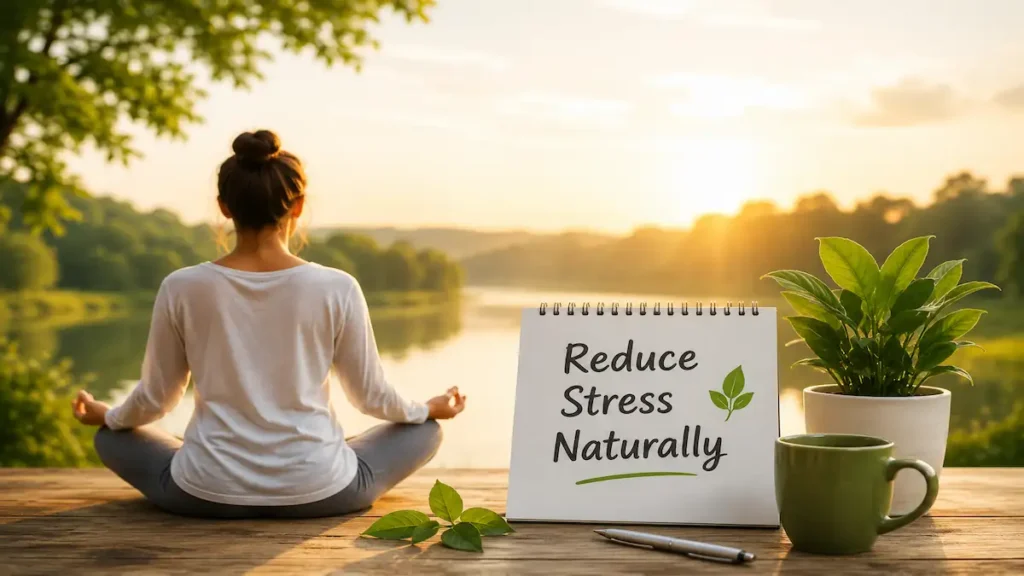
Life is not the same every day. Learning simple stress management tips can help you stay calm, improve your mood, and deal with daily challenges in a healthy way. These stress management tips are easy to follow and can become part of your daily routine.
Some days feel easy, while others can feel heavy and stressful. You may worry about work, school, money, family, or your health. These worries can build up and affect your peace of mind.
A little stress is normal. In fact, short-term stress can help you stay focused and finish your work on time. For example, you may feel nervous before an exam or an important meeting. That kind of stress often goes away once the task is over.
But when stress stays for many days or weeks, it can become a problem. You may feel tired all the time. You may find it hard to sleep, think clearly, or enjoy your daily life. Long-term stress can also affect your body and mood.
The good news is that there are simple ways to manage stress and feel better. You cannot stop every problem from coming into your life, but you can change how you respond to it. Small daily habits can make a big difference when you want to reduce stress naturally.
In this guide, you will learn what stress management is, why it matters, what causes stress, and simple stress management tips to help you feel calmer every day.
What Is Stress Management?
Stress management tips are simple habits and techniques that help you handle stress in a healthier way. Stress management means learning healthy ways to deal with stress.
It is not about living a life without problems. Everyone faces difficult times. Stress management helps you stay calm, think clearly, and make better choices when life becomes challenging.
Simple habits like walking, eating healthy food, sleeping well, talking to family, and taking short breaks can all help lower stress levels.
When you manage stress well, you may notice that you:
• Feel calmer during busy days
• Sleep better at night
• Have more energy
• Think more clearly
• Handle problems with confidence
• Feel happier in daily life
Stress management is a skill. With regular practice, managing stress becomes easier.
What Is Stress?
Stress is your body’s natural response to a challenge or a difficult situation.
When your brain feels that something is wrong or dangerous, your body gets ready to react. Your heart may beat faster. Your breathing may become quicker. Your muscles may feel tight.
This is your body’s way of helping you stay alert.
This response is helpful for a short time. But if it happens every day for many weeks, it can start to harm your health.
Understanding the causes of stress is the first step before using stress management tips to improve your mental well-being.
Common Signs of Stress
Everyone experiences stress in a different way. Some people feel emotional changes, while others notice physical problems.
Here are some common signs of stress.
Emotional Signs
You may:
• Feel worried most of the time
• Get angry over small things
• Feel nervous or afraid
• Feel sad without a clear reason
• Lose interest in things you enjoy
• Feel like everything is too much
Physical Signs
Stress can also affect your body.
You may notice:
• Headaches
• Body pain
• Tight muscles
• Fast heartbeat
• Stomach problems
• Feeling tired all day
• Trouble sleeping
Mental Signs
Stress can make it difficult to focus and think clearly.
You may:
• Forget things easily
• Find it hard to focus
• Keep thinking about the same problem
• Have trouble making decisions
Changes in Daily Habits
Stress may also change the way you live.
For example, you may:
• Eat too much or too little
• Sleep more or less than usual
• Spend too much time on your phone
• Delay important work
• Stop meeting friends or family
If these signs stay for many weeks and begin to affect your daily life, it is a good idea to talk to a doctor or a mental health professional.
What Causes Stress?
Stress can come from many parts of life. Everyone reacts differently, so what feels stressful to one person may not affect another. Here are some of the most common causes of stress.
1. Work or School Pressure
Deadlines, exams, heavy workloads, and long working hours can make you feel tired and stressed.
2. Money Problems
Paying bills, job loss, or worrying about daily expenses can increase stress and affect your peace of mind.
3. Family Problems
Arguments at home or caring for children and older family members can sometimes feel overwhelming.
4. Health Problems
Being sick or looking after someone who is ill can create emotional and physical stress.
5. Relationship Problems
Conflicts with family, friends, or a partner can affect your mood and mental well-being.
6. Big Changes in Life
Changing jobs, moving to a new city, getting married, or losing someone close can increase stress.
7. Too Much Screen Time
Using your phone or computer for many hours may disturb sleep and make it harder to relax.
Why Is Stress Management Important?
Many people ignore stress because they think it will go away on its own. Sometimes it does. But if stress stays for a long time, it can affect your health and your daily life.
Learning stress management can help you in many ways.
It Helps You Stay Healthy
Long-term stress can affect your heart, stomach, muscles, and immune system. Managing stress helps your body work better.
It Helps You Sleep Better
People who feel less stressed often sleep better. Good sleep gives your body time to rest and recover.
It Improves Your Mood
When stress is under control, you may feel happier, calmer, and more positive.
It Helps You Think Clearly
A calm mind can focus better, solve problems more easily, and make good decisions.
It Makes Daily Life Easier
Simple tasks can feel difficult when you are stressed. Managing stress can help you feel more in control of your day. Following simple stress management tips every day can help protect both your physical and mental health.
What Can Happen If Stress Lasts Too Long?
Stress is not always harmful. A little stress can help you stay active and finish your work.
If stress lasts for a long time, it can start to affect your health and daily life.
If stress stays for a long time, it may lead to:
• Anxiety
• Depression
• Poor sleep
• High blood pressure
• Heart problems
• Weight gain or weight loss
• Frequent headaches
• Low energy
• Trouble focusing
• Digestive problems
This is why it is important to take stress seriously and deal with it early.
16 Best Stress Management Tips
1. Move Your Body Every Day
One of the easiest ways to reduce stress naturally is to stay active.
You do not need a gym. A 20 to 30-minute walk, a bike ride, dancing, or light exercise can help you feel better.
Exercise helps your body release natural chemicals that improve your mood. It can also help you sleep well and feel more energetic during the day.
This is one of the most effective stress management tips for reducing stress naturally.
2. Eat Healthy Foods
The food you eat affects both your body and your mind.
Try to eat more:
• Fresh fruits
• Vegetables
• Whole grains
• Beans
• Eggs
• Fish
• Nuts
• Seeds
Try to eat less:
• Sugary drinks
• Chips
• Fast food
• Fried food
• Packaged snacks
Healthy food gives your body the nutrients it needs to handle stress better.
3. Spend Less Time on Your Phone
Using your phone all day can make your mind feel busy.
Too much screen time can also make it harder to sleep.
Take regular breaks from your phone to give your mind a chance to relax. Before bed, try reading a book or talking with your family instead of scrolling through social media.
4. Take Care of Yourself
Looking after yourself is not selfish. It is an important part of stress management.
You can:
• Read a book
• Listen to music
• Take a short walk
• Cook a healthy meal
• Spend time in nature
• Enjoy a hobby
Even a few minutes each day can help you feel relaxed.
5. Write Down Your Thoughts
Writing in a notebook can help clear your mind.
You can write about:
• What made you happy today
• What is worrying you
• What you are thankful for
• Your goals for tomorrow
Writing your thoughts down is one of the easiest stress management tips for improving emotional health.
6. Drink Less Coffee and Energy Drinks
Too much caffeine can make you feel nervous or restless.
If you drink several cups of coffee every day, try to cut back slowly.
Choose water, milk, or fresh fruit juice more often.
7. Spend Time with People You Trust
Sharing your feelings with someone you trust can help you feel better.
You do not need to face every challenge by yourself.
A friend, family member, or someone you trust may help you feel supported and understood.
Sometimes, simply talking about your feelings can make your mind feel lighter.
8. Learn to Say “No”
You do not have to do everything.
If your schedule is already full, it is okay to say “no” to extra work or plans.
Doing too much can leave you feeling tired and stressed.
Focus on the most important tasks first. Leave some time each day to rest and relax.
9. Stop Putting Things Off
Many people delay important work because they feel tired, worried, or unsure where to start. This is called procrastination, and it can increase stress over time.
The more you delay your work, the more pressure and stress you may feel.
A simple stress management tip is to break a big task into smaller steps. Finish one small task at a time instead of trying to do everything at once.
You can also make a daily to-do list and start with the most important job first.
Completing even one small task can make you feel more confident, organized, and less stressed.
10. Try Yoga
Yoga is a gentle exercise that combines slow movements, stretching, and deep breathing. It is one of the most effective natural stress relief techniques.
Many people practice yoga to relax their minds and bodies.
Regular yoga may help you:
• Feel calmer
• Improve your flexibility
• Sleep better
• Reduce body tension
• Improve your mood
You do not have to be an expert to get started. Even 15 to 20 minutes of simple yoga each day can support stress reduction and improve your overall well-being.
11. Practice Mindfulness
Many people spend too much time thinking about the past or worrying about the future, which can make stress feel worse.
Mindfulness means paying attention to what is happening right now.
For example, while eating, focus on the taste of your food. While walking, notice the fresh air and the sounds around you.
When your mind starts to worry, gently bring your attention back to the present moment.
Mindfulness is among the best stress management tips for staying calm during busy days.
12. Spend Time in Nature
Nature has a calming effect on both the body and the mind. Spending time outdoors is a simple and natural way to reduce stress.
You do not have to travel far. A nearby park, a garden, or even sitting under a tree for a few minutes can help you relax.
Fresh air, sunlight, and green spaces may help lower stress and improve your mood.
Try spending at least 15 to 20 minutes outdoors whenever possible to enjoy the benefits of natural stress relief.
13. Practice Deep Breathing
When you feel stressed, your breathing often becomes fast and shallow.
Slow, deep breathing tells your body that it is safe to relax. This is one of the easiest stress management techniques you can use anywhere.
Here is a simple breathing exercise:
- Sit in a comfortable position.
- Close your eyes if you like.
- Breathe in slowly through your nose.
- Hold your breath for a few seconds.
- Breathe out slowly through your mouth.
- Repeat this for five to ten minutes.
Many people feel calmer after just a few minutes of deep breathing, making it a powerful tool for stress relief.
14. Spend Time With a Pet
If you have a pet, spending time with it may help you feel happier and less stressed.
Playing with a dog, holding a cat, or simply watching your pet can help you relax after a busy day.
Pets also encourage you to stay active and enjoy the present moment, which supports emotional balance and stress reduction.
If you do not have a pet, spending time with animals at a friend’s home or an animal shelter may also lift your mood.
15. Get Enough Vitamins and Minerals
Your body needs healthy food to deal with stress in a better way.
Eating a balanced diet every day helps your brain and body work properly.
Foods rich in vitamins and minerals include:
• Fruits
• Vegetables
• Whole grains
• Nuts
• Seeds
• Beans
• Eggs
• Fish
If you think you have a vitamin deficiency, talk to your doctor before taking any supplements. Good nutrition is an important part of stress management and overall health.
16. Reach Out for Support When You Need It
You do not have to handle stress all by yourself.
If stress is making it hard to work, study, sleep, or enjoy life, talk to someone you trust.
You can speak with:
• A family member
• A close friend
• A teacher
• Your doctor
• A mental health professional
Asking for help shows courage and a willingness to take care of yourself. Reaching out early can make stress management easier and prevent bigger problems later.
Healthy Habits That Help Reduce Stress
These healthy habits work together with stress management tips to help you feel calmer every day.
Get Enough Sleep
Good sleep gives your brain and body time to rest and recover.
Adults should try to get about 7 to 9 hours of sleep each night. Children and teenagers usually need even more.
To sleep better:
• Go to bed at the same time every night.
• Keep your bedroom quiet and comfortable.
• Avoid using your phone before bedtime.
• Limit tea, coffee, and energy drinks in the evening.
Better sleep can help you feel calmer, more focused, and better prepared to handle stress the next day.
Exercise Regularly
Exercise is one of the best natural ways to lower stress and improve mood.
You do not have to do hard workouts.
Simple activities like walking, cycling, dancing, swimming, or stretching can improve your mood and give you more energy.
Try to stay active for at least 30 minutes on most days. Regular movement is a powerful part of healthy stress management.
Eat Healthy Meals
What you eat affects how you feel.
Choose foods that give your body steady energy.
Eat more:
• Fresh fruits
• Vegetables
• Whole grains
• Lean protein
• Healthy fats
• Plenty of water
Try to eat less:
• Fast food
• Sugary snacks
• Soft drinks
• Fried food
Healthy eating supports both your body and your mind, and it can help reduce stress naturally.
Relaxation Techniques for Stress Management
Relaxation exercises are important stress management tips that can help lower tension naturally.
You can try:
• Deep breathing
• Gentle stretching
• Yoga
• Meditation
• Listening to soft music
• Reading a book
• Taking a warm bath
• Spending quiet time in nature
Find the relaxation technique that works best for you and make it part of your daily routine. Small daily habits can make a big difference in stress relief.
Think in a Positive Way
Everyone has negative thoughts from time to time.
Instead of saying,
“I can’t do this.”
Try saying,
“This is difficult, but I will do my best.”
Small changes in the way you think can make stressful situations feel easier to handle.
Remember that nobody is perfect. It is okay to make mistakes because they help us learn and grow. Positive thinking is one of the simplest stress management tips you can practice every day.
When Should You See a Doctor?
Sometimes stress becomes too much to manage on your own.
It may be time to speak with a doctor or a mental health professional if:
• Stress lasts for many weeks.
• You cannot sleep well.
• You feel anxious most of the time.
• You lose interest in daily life.
• Stress affects your work or school.
• You feel hopeless or overwhelmed.
Getting help early can prevent bigger problems later and support better long-term stress management.
Conclusion
These stress management tips can help you reduce stress naturally and improve your overall well-being. The more you practice these stress management tips, the easier it becomes to stay calm and handle daily challenges.
You cannot avoid every problem, but you can learn how to respond in a healthy way. Small habits like eating healthy food, staying active, getting enough sleep, taking deep breaths, and spending time with people you trust can help you reduce stress naturally and feel calmer every day.
Remember that stress management is a journey, not a one-day solution. The more you practice healthy habits and relaxation techniques, the easier it becomes to handle life’s challenges.
If stress starts affecting your health, work, or relationships, do not wait. Talk to a doctor or a mental health professional. Getting help early is one of the best steps you can take for your well-being.
Stress Management (FAQ)
Find quick answers to some of the most common questions about stress and stress management.
1. What are the best stress management tips?
The best stress management tips include regular exercise, healthy eating, deep breathing, mindfulness, quality sleep, spending time in nature, and talking to someone you trust.
2. What is the fastest way to calm down?
Taking slow deep breaths, drinking water, going for a short walk, or talking to someone you trust can help you feel calmer within a few minutes.
3. Can exercise reduce stress?
Yes. Regular exercise helps improve your mood, reduces body tension, and supports better sleep. Even a daily walk can make a difference in reducing stress.
4. Can stress affect sleep?
Yes. Stress can make it difficult to fall asleep or stay asleep. Poor sleep can also make stress feel worse.
5. Is stress always bad?
No. A small amount of stress can help you stay alert and complete important tasks. Stress becomes harmful when it lasts for a long time or starts affecting your health and daily life.

Medical Disclaimer
This content is for informational purposes only and should not be considered medical advice.