Ayurvedic Diet: A Simple Beginner’s Guide to Better Health
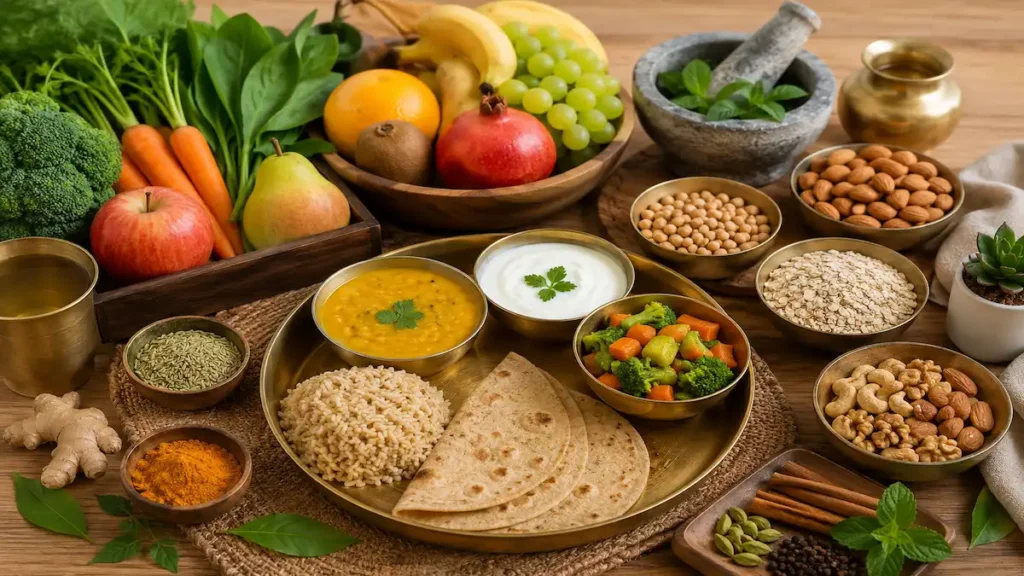
Have you ever wondered why the same food works well for one person but not for another? Some people feel full of energy after eating certain foods, while others feel tired or have stomach problems.
Ayurveda believes that every person is different, and their food should match their body’s needs.
The Ayurvedic diet is one of the oldest ways of healthy eating. Ayurveda began in India over 5,000 years ago. This diet is based on Ayurveda, a traditional system that focuses on keeping the body and mind healthy.
Instead of counting calories, the Ayurvedic diet teaches people to eat fresh foods, eat at the right time, and enjoy every meal.
Today, many people follow this diet to improve digestion, increase energy, and build healthier eating habits. Some also use it to help manage their weight and reduce stress.
While many healthy habits in Ayurveda match modern nutrition advice, scientists are still studying some of its traditional ideas, such as the dosha system.
In this guide, you will learn how this traditional eating plan works, its benefits, possible risks, and the best foods to eat. The information in this article is easy to understand and is based on both traditional Ayurvedic ideas and modern nutrition knowledge.
What Is the Ayurvedic Diet?
The Ayurvedic diet is a healthy eating plan based on the principles of Ayurveda. It teaches that good food can help keep the body and mind in balance.
Unlike many modern diets, this eating plan does not ask everyone to eat the same foods. Instead, it says that each person has a different body type. The foods that are good for one person may not be the best choice for someone else.
The main goal of this diet is to improve digestion because Ayurveda believes that good digestion is the key to good health.
The Ayurvedic diet also encourages healthy daily habits, such as:
• Eat fresh and natural foods.
• Eat meals at the same time every day.
• Eat slowly and chew food well.
• Stop eating when you feel full.
• Drink enough water during the day.
• Avoid too much junk food and sugary drinks.
These simple habits can help many people build a healthier lifestyle.
The History of the Ayurvedic Diet
Ayurveda is one of the world’s oldest traditional health systems. It began in India thousands of years ago. The name “Ayurveda” is made from two Sanskrit words.
• Ayur means life.
• Veda means knowledge.
Together, Ayurveda means “the knowledge of life.”
For many years, people have used Ayurveda to improve health through food, herbs, exercise, yoga, meditation, and healthy daily routines.
Even today, millions of people around the world follow Ayurvedic principles as part of their lifestyle.
What Are Doshas?
One of the most important ideas in Ayurveda is the dosha system.
According to Ayurveda, every person has three natural energies called doshas.
These are:
• Vata
• Pitta
• Kapha
Everyone has all three doshas, but one or two are usually stronger than the others. Ayurveda says that knowing your dosha can help you choose foods that suit your body.
It is important to know that modern science has not yet proved that the dosha system works for everyone. More research is still needed.
1. Vata Dosha
Vata is linked with air and space.
People with a Vata body type are often:
• Creative
• Active
• Fast learners
• Full of new ideas
They usually have a light body and may lose weight easily.
When Vata becomes unbalanced, a person may have:
• Dry skin
• Gas
• Bloating
• Constipation
• Poor sleep
• Worry or stress
Warm and cooked foods are often suggested for people with Vata.
2. Pitta Dosha
Pitta is linked with fire and water.
People with Pitta are often:
• Smart
• Hardworking
• Confident
• Good leaders
They usually have a medium body size and strong digestion.
When Pitta becomes too high, people may experience:
• Heartburn
• Feeling very hot
• Skin rashes
• Anger
• Too much sweating
Cooling foods and less spicy foods are often suggested for Pitta.
3. Kapha Dosha
Kapha is linked with earth and water.
People with Kapha are usually:
• Calm
• Kind
• Patient
• Strong
They often have a larger body frame and may gain weight easily.
When Kapha is out of balance, people may have:
• Weight gain
• Low energy
• Slow digestion
• Feeling lazy
• Too much mucus during colds
Light and fresh foods are often recommended for Kapha.
🌿 How Does the Ayurvedic Diet Work?
This traditional eating plan is not only about what you eat. It also focuses on the way you eat and the time you eat your meals.
This diet encourages people to build healthy eating habits every day.
Eat Fresh Foods
Choose fresh fruits, vegetables, grains, and homemade meals instead of packaged foods whenever possible.
Eat at Regular Times
Try to eat breakfast, lunch, and dinner at about the same time every day.
Eat Slowly
Take your time to chew your food properly and enjoy its natural taste.
Avoid Overeating
Stop eating when you feel comfortably full. Eating too much may upset digestion.
Stay Hydrated
Drink plenty of water throughout the day, but avoid drinking large amounts while eating your meals.
Foods to Eat on the Ayurvedic Diet
This eating plan encourages eating fresh, natural, and whole foods. These foods provide vitamins, minerals, fiber, and other nutrients that help keep the body healthy.
Here are some healthy foods you can enjoy.
Fruits
Choose fresh fruits such as:
• Apples
• Pears
• Oranges
• Bananas
• Blueberries
• Strawberries
• Pineapple
Fresh fruits give your body important vitamins and fiber that help you stay healthy.
Vegetables
Eat a variety of colorful vegetables, including:
• Carrots
• Spinach
• Cabbage
• Cauliflower
• Sweet potatoes
• Pumpkin
• Green beans
Vegetables help support digestion and overall health.
Whole Grains
Whole grains give the body energy.
Healthy choices include:
• Oats
• Brown rice
• Barley
• Millet
• Whole wheat
Lentils and Beans
These foods are rich in plant protein.
Good choices include:
• Lentils
• Chickpeas
• Moong dal
• Black beans
Healthy Dairy Foods
If your body digests dairy well, you may choose:
• Milk
• Yogurt
• Paneer
• Ghee (in small amounts)
Healthy Nuts and Seeds
Eat small amounts of:
• Almonds
• Walnuts
• Flaxseeds
• Pumpkin seeds
• Sunflower seeds
These foods contain healthy fats that support the body.
Herbs and Spices
Many herbs and spices are commonly used in Ayurvedic cooking.
Some popular choices are:
• Turmeric
• Ginger
• Cumin
• Cinnamon
• Cardamom
• Black pepper
These spices add flavor and are often used in traditional Indian cooking.
Which Foods Are Best for Each Dosha?
Although everyone can enjoy healthy foods, Ayurveda gives different food suggestions for each dosha.
For Vata
People with Vata may enjoy:
• Warm soups
• Cooked vegetables
• Rice
• Oats
• Bananas
• Milk
• Ghee
For Pitta
People with Pitta may enjoy:
• Sweet fruits
• Cucumbers
• Leafy vegetables
• Rice
• Milk
• Coconut water
For Kapha
People with Kapha may enjoy:
• Leafy greens
• Apples
• Pears
• Lentils
• Barley
• Light soups
Remember, these suggestions come from traditional Ayurveda. Modern science has not fully confirmed that everyone should eat according to their dosha.
Foods to Avoid on the Ayurvedic Diet
This traditional diet does not completely ban any food for everyone. However, it suggests eating some foods less often because they may affect digestion or overall health.
In general, it is a good idea to limit foods that are high in sugar, salt, or unhealthy fats.
Some foods to eat less of include:
• Packaged snacks
• Fast food
• Deep-fried foods
• Sugary drinks
• Candy and sweets
• Cakes and pastries
• Too much red meat
• Processed meat
• Artificial sweeteners
• Highly processed foods
Eating these foods once in a while is usually fine for most healthy people, but they should not become a regular part of your daily diet.
Health Benefits of the Ayurvedic Diet
Many people choose this traditional eating plan because it encourages simple and healthy eating habits. While more research is needed on some Ayurvedic ideas, many parts of this diet match modern nutrition advice.
Here are some possible benefits.
1. Encourages Healthy Eating
The Ayurvedic diet focuses on fresh foods instead of packaged foods.
It encourages eating:
• Fruits
• Vegetables
• Whole grains
• Lentils
• Beans
• Nuts
• Seeds
These foods give your body important nutrients that help you stay healthy.
2. May Help Improve Digestion
Good digestion is one of the main goals of Ayurveda.
The diet encourages people to:
• Eat slowly.
• Chew food well.
• Avoid overeating.
• Eat meals on time.
These simple habits may help reduce stomach discomfort for some people.
3. Helps You Eat Mindfully
Mindful eating means paying attention while eating.
Instead of watching TV or using your phone during meals, you focus on your food.
This can help you:
• Enjoy your meals more.
• Notice when you are full.
• Avoid eating too much.
4. May Support Healthy Weight
The Ayurvedic diet does not promise quick weight loss.
Instead, it encourages healthy habits that may help some people reach and maintain a healthy weight over time.
For example, eating more fruits and vegetables and fewer sugary foods can support weight management.
5. Supports a Healthy Lifestyle
The Ayurvedic diet is not only about food.
It also encourages healthy daily habits, such as:
• Sleeping on time
• Staying active
• Managing stress
• Eating regular meals
Together, these habits may improve your overall health.
What Does Science Say?
Many healthy habits in this eating plan are supported by modern nutrition research.
For example, eating more:
• Fruits
• Vegetables
• Whole grains
• Beans
• Healthy fats
may lower the risk of heart disease, type 2 diabetes, and obesity.
Eating fewer processed foods is also linked with better health.
However, scientists have not found enough evidence to prove that the dosha system works for everyone.
This does not mean Ayurveda is wrong. It simply means that more high-quality studies are needed.
A balanced diet, regular exercise, good sleep, and stress control are still the most important parts of a healthy lifestyle.
Possible Risks of the Ayurvedic Diet
Like any eating plan, this traditional diet may not be right for everyone.
Here are some important points to remember.
1. The Dosha System Is Personal
Many websites offer dosha quizzes, but different quizzes may give different results.
This can make it hard to know your true dosha.
2. Some Diet Plans Can Be Too Strict
Some Ayurvedic plans ask people to avoid many foods.
This may be difficult to follow for a long time.
A healthy and balanced diet is usually easier to follow for a long time.
3. It Is Not a Medical Treatment
The Ayurvedic diet should not replace medicines or medical care.
If you have diabetes, heart disease, kidney disease, or any other health condition, always follow your doctor’s advice.
Who Can Follow the Ayurvedic Diet?
This eating plan may be a good choice for people who want to:
• Eat more fresh foods
• Reduce junk food
• Improve eating habits
• Build a healthier lifestyle
• Practice mindful eating
It may not be suitable for everyone.
Children, pregnant women, older adults, and people with medical conditions should talk to a doctor or a registered dietitian before making major changes to their diet.
🥗 Simple One-Day Ayurvedic Meal Plan
If you are new to the Ayurvedic diet, here is an easy meal plan to help you get started.
🌞 Breakfast
- Warm oatmeal
- One banana or apple
- A cup of milk or herbal tea
🍎 Morning Snack
- A handful of almonds
- Fresh fruit
🍛 Lunch
- Brown rice
- Moong dal
- Mixed vegetables
- A small bowl of yogurt
☕ Evening Snack
- Roasted chickpeas
- Herbal tea
🌙 Dinner
- Vegetable soup
- Whole wheat chapati
- Light cooked vegetables
Easy Tips for Beginners
You do not need to change everything in one day.
Start with small steps.
Here are some simple tips:
• Eat more home-cooked meals.
• Fill half your plate with vegetables.
• Choose fresh fruit instead of sweets.
• Drink enough water every day.
• Eat slowly.
• Do not skip breakfast.
• Avoid eating late at night.
• Stay active every day.
• Sleep for 7 to 9 hours.
Even small healthy habits can lead to big results over time.
Can the Ayurvedic Diet Help You Lose Weight?
Some people lose weight while following this eating plan because they eat more healthy foods and fewer processed foods.
However, this diet is not a quick weight-loss plan.
Healthy weight loss depends on many things, including:
• Healthy eating
• Regular exercise
• Good sleep
• Stress management
If weight loss is your goal, it is best to combine healthy eating with an active lifestyle.
Final Thoughts
The Ayurvedic diet is not only about the food you eat. It also teaches healthy daily habits that can support your overall well-being.
It encourages people to eat fresh foods, enjoy home-cooked meals, eat slowly, and avoid too much junk food. These habits match many modern nutrition recommendations and can help improve your lifestyle.
At the same time, it is important to remember that not every Ayurvedic idea has been proven by science. The dosha system is still being studied, and more research is needed.
The best way to use the Ayurvedic diet is to combine its healthy eating habits with regular exercise, enough sleep, and advice from your doctor when needed. Small and steady changes are easier to follow and can lead to better health over time.
Ayurvedic Diet FAQs
1. What is the Ayurvedic diet?
The Ayurvedic diet is a traditional eating plan from India. It focuses on eating fresh foods and following healthy daily habits.
2. Is this eating plan healthy?
For many people, yes. It encourages fruits, vegetables, whole grains, and home-cooked meals. These are healthy choices.
3. Can this eating plan help with weight loss?
It may help some people because it reduces processed foods and encourages healthier eating habits.
4. Does science support the Ayurvedic diet?
Many healthy eating habits in Ayurveda are supported by science. However, more research is needed on the dosha system.
5. Can vegetarians follow this eating plan?
Yes. The Ayurvedic diet includes many vegetarian foods such as fruits, vegetables, lentils, grains, milk, and yogurt.
6. Can I eat eggs while following this diet?
Some Ayurvedic meal plans include eggs, while others do not. It depends on personal choice and the type of Ayurvedic plan you follow.
7. Is the Ayurvedic diet safe for everyone?
Not always. If you have a medical condition or take regular medicine, talk to your doctor before changing your diet.

Medical Disclaimer
This content is for informational purposes only and should not be considered medical advice.