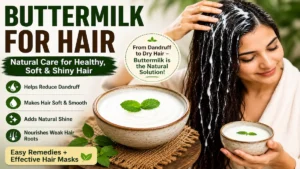
DIY Hair Masks: 7 Best Homemade Remedies for Dry & Damaged Hair
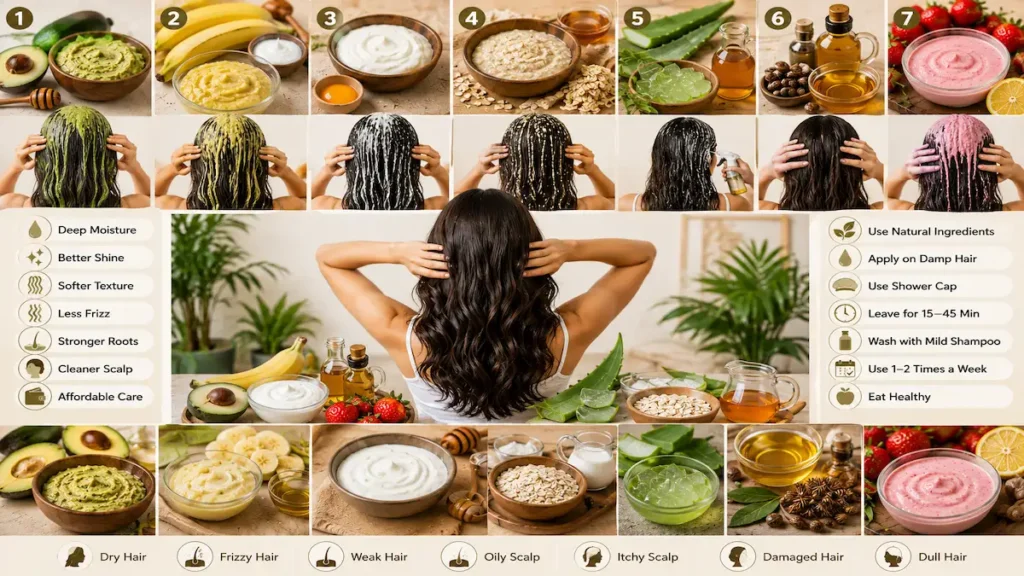
DIY Hair Masks are one of the easiest and most affordable ways to care for dry, frizzy, damaged, and dull hair naturally at home. Heat styling, pollution, weather changes, coloring, dust, and chemical products can slowly make hair rough, weak, and lifeless.
Many people spend a lot of money on salon treatments, but simple homemade remedies can also help improve hair health.
DIY hair masks are popular because they are natural, affordable, and easy to make. Most of the ingredients are already available in the kitchen. These masks may help make hair softer, smoother, shinier, and easier to manage.
Natural ingredients like avocado, banana, yogurt, honey, aloe vera, and oils contain vitamins and nutrients that may support healthy hair and scalp care.
In this article, you will learn about the best homemade hair masks for dryness, frizz, oily scalp, weak roots, and dull hair. You will also learn how to prepare and use them safely at home.
Benefits of DIY Hair Masks
Homemade masks are simple and gentle. Unlike many chemical products, natural ingredients may help nourish the scalp and improve hair texture.
Benefits of DIY masks include:
• Deep moisture
• Better shine
• Softer texture
• Less frizz
• Stronger roots
• Cleaner scalp
• Affordable care
These masks are also a good choice for people who prefer natural beauty care.
Best DIY Hair Masks for Dry Hair
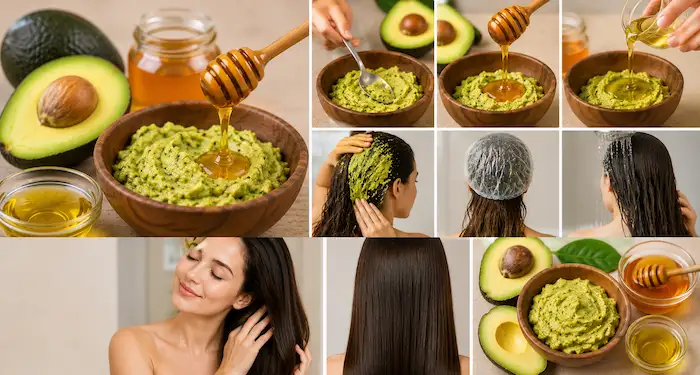
Avocado and Honey Mask for Dry Hair
Best For
• Dry hair
• Damaged strands
• Frizzy texture
Why It Works
Avocado contains healthy fats and vitamins that may help soften dry hair. Honey helps lock moisture into the strands.
Together, they may improve shine and smoothness.
Ingredients
• 1 ripe avocado
• 1 tablespoon honey
• 1 tablespoon olive oil
How to Make It
Mash the avocado until smooth. Combine the honey and olive oil with it, and stir until the mixture becomes smooth and creamy.
How to Use
• Apply from roots to ends
• Cover with a shower cap
• Leave for 30–45 minutes
• Wash with mild shampoo
Tip
Slightly warm the honey before mixing for better blending.
Homemade Hair Masks for Frizzy Hair
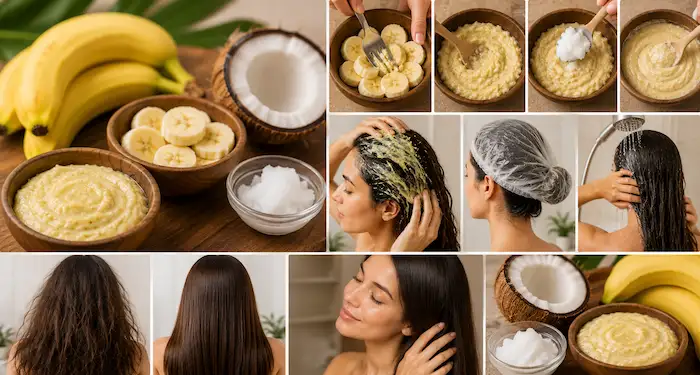
Banana and Coconut Oil Mask for Frizz
Best For
• Frizzy hair
• Rough texture
• Dry ends
Why It Works
Bananas contain natural oils and nutrients that may soften rough strands. Coconut oil helps lock moisture inside the hair.
This mask may help control frizz and improve shine.
Ingredients
• 1 ripe banana
• 2 tablespoons coconut oil
How to Make It
Blend the banana until smooth. Mix in coconut oil.
How to Use
• Spread the mixture gently across your scalp and throughout the strands
• Focus more on the ends
• Leave for 30 minutes
• Rinse and wash properly
Important Tip
Blend the banana very well to avoid small pieces getting stuck.
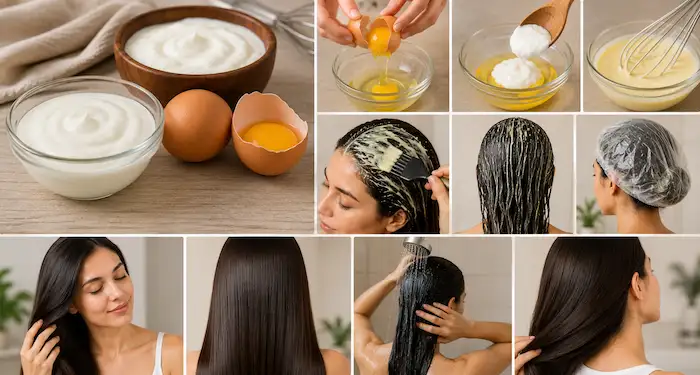
Yogurt and Egg Mask for Weak Hair
Best For
• Weak roots
• Thin hair
• Dull texture
Why It Works
Hair is made of protein. Eggs contain protein that may help make strands stronger. Yogurt may help soothe the scalp and add shine.
Ingredients
• 1 egg
• 2 tablespoons plain yogurt
How to Make It
Beat the egg and mix it with yogurt until smooth.
How to Use
• Apply to slightly wet hair
• Massage gently on the scalp
• Leave for 20–30 minutes
• Wash with cool water
Warning
Do not use hot water because it may cook the egg.
Optional
Add a little honey for extra softness.
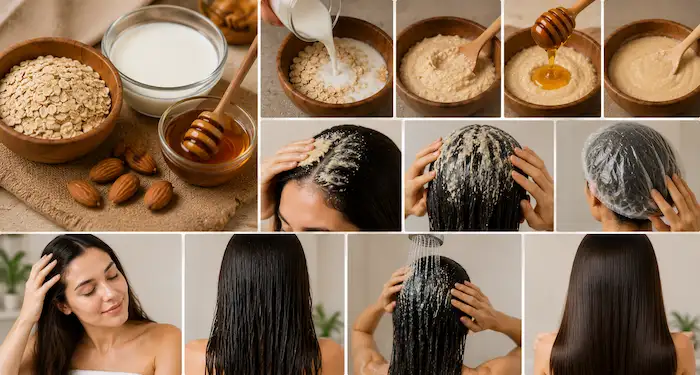
Oatmeal and Almond Milk Mask for Itchy Scalp
Best For
• Itchy scalp
• Dry scalp
• Irritation
Why It Works
Oatmeal may help calm irritation. Almond milk gives moisture, while honey may help soothe dryness.
Ingredients
• 2 tablespoons ground oats
• 2 tablespoons almond milk
• 1 tablespoon honey
How to Make It
Blend oats into a fine powder. Mix with almond milk and honey to make a paste.
How to Use
• Massage gently onto the scalp
• Leave for 20 minutes
• Wash with lukewarm water
Bonus Tip
This mask may feel refreshing if you use dry shampoo often.
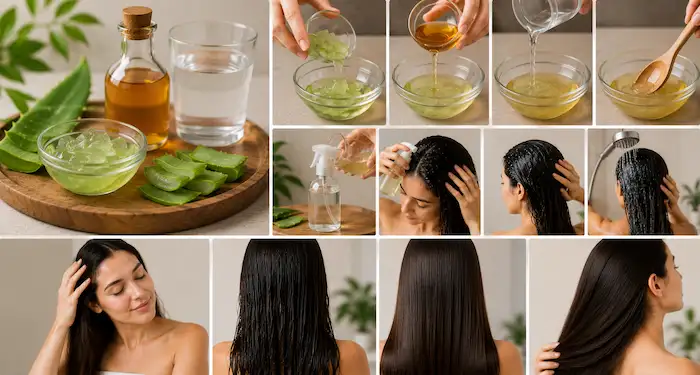
Aloe Vera and Apple Cider Vinegar Rinse for Oily Scalp
Best For
• Oily scalp
• Product buildup
• Flat hair
Why It Works
Apple cider vinegar can help remove product buildup while supporting a healthy scalp pH balance. Aloe vera gives light moisture without making the scalp oily.
Ingredients
• 2 tablespoons aloe vera gel
• 1 tablespoon apple cider vinegar
• 1 cup water
How to Make It
Mix everything well and pour into a spray bottle.
How to Use
• Spray on wet hair after shampoo
• Leave for 5–10 minutes
• Rinse properly
No conditioner is usually needed after this rinse.
Note
The vinegar smell usually goes away after drying.
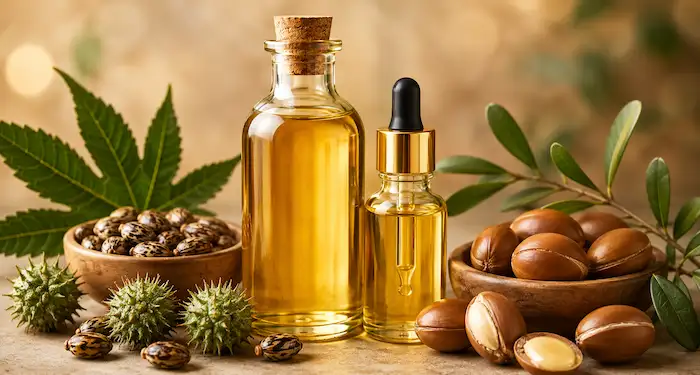
Castor Oil and Argan Oil Blend for Strong Roots
Best For
• Weak roots
• Thin edges
• Slow growth
Why It Works
Castor oil may help support stronger roots. Argan oil contains vitamin E and healthy fats that may improve softness and shine.
Ingredients
• 1 tablespoon castor oil
• 1 tablespoon argan oil
How to Make It
Mix both oils and warm slightly.
How to Use
• Massage gently for 5 minutes
• Leave overnight
• Wash properly in the morning
Tip
Using this treatment once a week may help improve scalp health over time.
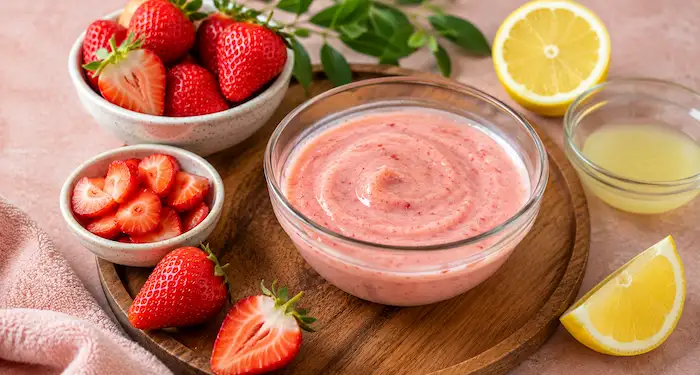
Strawberry and Lemon Mask for Oily Hair
Best For
• Oily scalp
• Greasy roots
• Product buildup
Why It Works
Strawberries contain vitamin C, which may help control oil. Lemon juice may help clean the scalp and remove buildup.
Ingredients
• 5 ripe strawberries
• 1 tablespoon lemon juice
• 1 tablespoon coconut milk (optional)
How to Make It
Blend strawberries until smooth. Add lemon juice and coconut milk if needed.
How to Use
• Apply mainly on the scalp and roots
• Spread through the hair
• Leave for 15–20 minutes
• Rinse properly
Important Tip
Use this mask only once a week to avoid dryness.
Tips for Better Results
These simple tips may help improve results:
• Apply masks to slightly damp hair
• Use a shower cap or warm towel
• Wash properly after use
• Use mild shampoo
• Avoid very hot water
• Comb gently after washing
Regular care is important for healthy hair.
How Often Should You Use DIY Masks?
The right amount depends on your scalp and hair type.
Dry Hair
Use moisturizing masks 1–2 times a week.
Oily Scalp
Use cleansing masks once a week.
Weak or Damaged Hair
Protein masks can be used every 10–15 days.
Using masks too often may cause buildup or dryness.
Common Mistakes to Avoid
Avoid these common mistakes:
• Using masks too often
• Not washing properly
• Using hot water
• Leaving acidic ingredients too long
• Applying lemon on irritated skin
• Skipping patch tests
Small mistakes can sometimes cause dryness or irritation.
Are Homemade Masks Safe?
Natural remedies are usually gentle, but some people may still get irritation or allergies.
Always do a patch test before trying a new mask, especially if you have:
• Sensitive skin
• Scalp infection
• Eczema
• Food allergies
Stop using the mask if irritation happens.
Simple Weekly Hair Care Routine
Once a Week
• Apply a nourishing mask
• Massage the scalp gently
• Trim split ends if needed
Daily Habits
• Drink enough water
• Eat healthy foods
• Avoid too much heat styling
• Use mild products
• Protect hair from dust and pollution
Healthy habits may support better scalp and hair health.
Best Foods for Healthy Hair
Food also affects hair health. A balanced diet may help support stronger roots and shinier strands.
Helpful foods include:
• Eggs
• Nuts
• Seeds
• Fruits
• Green vegetables
• Yogurt
• Fish
• Lentils
Important nutrients include:
• Protein
• Biotin
• Iron
• Zinc
• Vitamin E
• Omega-3 fatty acids
Healthy eating supports overall scalp care naturally.
Conclusion
DIY hair masks are a simple and affordable way to care for your hair at home. Natural ingredients like avocado, banana, yogurt, aloe vera, honey, and oils may help improve dryness, frizz, dullness, and scalp irritation.
Different masks work for different problems. Moisturizing masks may help dry hair, while cleansing masks may support oily scalp care. Protein-rich ingredients may also help weak strands look healthier.
The key is regular care and choosing ingredients that suit your scalp type. Along with healthy food and proper cleaning, homemade masks can become an easy part of your beauty routine.
With the right care, your hair may look softer, shinier, smoother, and healthier without expensive salon treatments.
DIY Hair Masks FAQs
1. Are DIY masks safe for all hair types?
Most homemade masks are gentle, but people with sensitive skin should do a patch test first.
2. How often should I use homemade masks?
Usually, 1–2 times a week is enough.
3. Can coconut oil help with frizz?
Coconut oil may help lock moisture into the strands and improve smoothness.
4. Which mask is best for an oily scalp?
Aloe vera and apple cider vinegar rinse is often used for oily scalps and buildup.
5. Can eggs help weak hair?
Eggs contain protein that may support stronger-looking strands.
6. Is honey good for dry hair?
Honey may help attract moisture and improve softness.
7. Can lemon juice damage the scalp?
Too much lemon may cause dryness or irritation on sensitive skin.
8. Do homemade masks help hair growth?
Some natural ingredients may support scalp health and reduce breakage.
9. Should I shampoo after using a mask?
Yes, mild shampoo is usually recommended after heavy oil-based masks.
10. Can I store homemade masks?
Fresh ingredients work best, so it is better to make small amounts before use.

Medical Disclaimer
This content is for informational purposes only and should not be considered medical advice.