10 Signs Your Body Needs More Magnesium
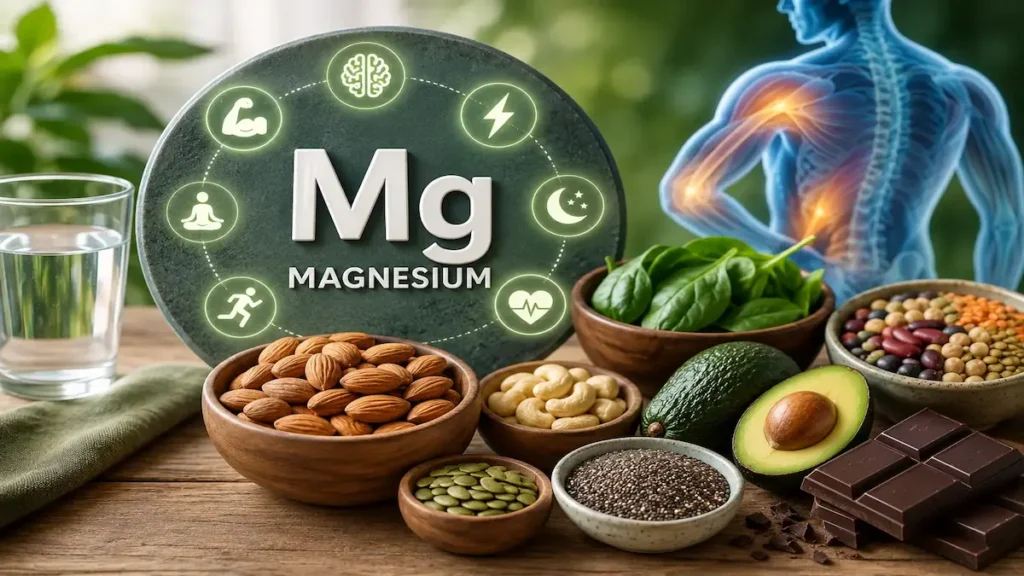
Magnesium is an essential mineral that plays an important role in hundreds of processes inside the body. It helps support muscle function, nerve health, energy production, blood sugar balance, and heart health. Although magnesium is found in many foods, some people may not get enough of it due to poor diet, certain health conditions, or lifestyle factors.
Knowing the signs your body needs more magnesium can help you understand when your body may need better nutrition support. A magnesium deficiency does not always show clear symptoms at first, but low levels over time may affect your overall health.
This article explains common magnesium deficiency symptoms, why magnesium is important, and simple ways to increase your intake naturally.
Key Takeaways
- Magnesium supports many body functions: It helps with muscle movement, nerve signals, energy production, and heart health.
- Muscle cramps and fatigue may be warning signs: Frequent cramps, weakness, or low energy can be linked with low magnesium levels.
- A balanced diet can improve magnesium intake: Nuts, seeds, whole grains, and leafy greens are good natural sources.
- Magnesium needs vary from person to person: Lifestyle, age, diet, and health conditions can influence magnesium requirements.
Why Magnesium Is Important for Your Body
Magnesium is a mineral that helps your body convert food into energy and supports normal muscle and nerve function. It also plays a role in maintaining healthy bones, regulating blood pressure, and supporting the immune system.
Your body needs magnesium every day, but it cannot produce it naturally. This means you must get it through foods or supplements when needed.
People who eat a highly processed diet, have digestive issues, or experience certain health conditions may have a higher risk of low magnesium levels.
10 Signs Your Body Needs More Magnesium
1. Frequent Muscle Cramps and Spasms
One of the most common signs your body needs more magnesium is frequent muscle cramps. Magnesium helps muscles relax after contraction. When magnesium levels are low, muscles may become more likely to tighten or spasm.
Night-time leg cramps, twitching muscles, or unexplained spasms may be signs that your body needs more magnesium.
2. Constant Fatigue and Low Energy
Feeling tired even after enough sleep can sometimes be related to low magnesium levels. Magnesium helps your body produce energy and supports normal metabolism.
If your energy levels stay low, improving your diet with magnesium-rich foods may support better energy production.
3. Sleep Problems
Magnesium plays a role in relaxation and healthy sleep patterns. Some people with low magnesium intake may experience difficulty falling asleep or poor sleep quality.
Adding magnesium-rich foods to your daily meals may support a healthier sleep routine.
4. Increased Stress and Mood Changes
Magnesium helps regulate the nervous system and supports a calm mood. Low magnesium levels may be associated with increased stress, irritability, or mood changes.
A balanced diet containing enough magnesium may help support emotional well-being.
5. Muscle Weakness
Magnesium is important for normal muscle performance. A lack of magnesium may contribute to muscle weakness or reduced physical strength.
If you notice unusual weakness, it is important to consider your overall nutrition and lifestyle habits.
6. Headaches or Migraines
Some research suggests that magnesium may play a role in supporting normal brain function and reducing migraine frequency in some people.
People who frequently experience headaches may benefit from discussing magnesium intake with a healthcare professional.
7. Irregular Heartbeat
Magnesium helps maintain normal heart muscle function. Severe magnesium deficiency may affect the heart’s rhythm.
If you experience unusual heartbeat changes, chest discomfort, or dizziness, seek medical advice.
8. Poor Blood Sugar Control
Magnesium helps support healthy insulin function and glucose metabolism. Low magnesium levels may make it harder for the body to maintain balanced blood sugar levels.
A nutritious diet with enough magnesium can support overall metabolic health.
9. Numbness or Tingling Sensations
Magnesium supports healthy nerve function. Low levels may sometimes be linked with unusual sensations such as tingling or numbness.
Persistent symptoms should always be checked by a healthcare professional.
10. Weak Bone Health
Most people think calcium is the only mineral important for bones, but magnesium also plays an important role. It helps support bone structure and works together with other nutrients.
Getting enough magnesium through a healthy diet supports long-term bone health.
Best Foods Rich in Magnesium
You can increase magnesium intake naturally by including these foods:
- Almonds and cashews
- Pumpkin seeds and chia seeds
- Spinach and other leafy green vegetables
- Whole grains
- Black beans and legumes
- Dark chocolate (in moderation)
- Avocado
A varied and balanced diet is usually the best way to meet your magnesium needs.
Can You Take Magnesium Supplements?
Magnesium supplements can be helpful for some people, especially when dietary intake is not enough. However, taking high doses without medical guidance may cause side effects such as diarrhea or stomach discomfort.
People with kidney problems or those taking certain medications should talk with a healthcare professional before using magnesium supplements.
Final Thoughts
Recognizing the signs your body needs more magnesium can help you make better choices for your health. Symptoms like muscle cramps, fatigue, poor sleep, and weakness may indicate that your body needs more magnesium-rich foods.
The best approach is to focus on a balanced diet that includes nuts, seeds, vegetables, and whole grains. If you suspect a magnesium deficiency or have ongoing symptoms, consult a healthcare professional for proper guidance.
Frequently Asked Questions (FAQs)
1. What are the first signs of magnesium deficiency?
Early magnesium deficiency symptoms may include muscle cramps, tiredness, poor sleep, stress, and muscle weakness.
2. Which foods are highest in magnesium?
Foods like pumpkin seeds, almonds, spinach, cashews, beans, and whole grains are excellent sources of magnesium.
3. How much magnesium does the body need daily?
Magnesium needs depend on age, gender, and health status. Adults generally need around 310–420 mg per day from food and supplements combined.
4. Can magnesium improve sleep quality?
Magnesium may support relaxation and healthy sleep patterns, but sleep problems can have many causes. A healthy lifestyle and balanced diet are also important.
References
- National Institutes of Health, Office of Dietary Supplements. Magnesium – Health Professional Fact Sheet.
- Tata 1mg. 5 Common Signs of Magnesium Deficiency and How to Fix It.
- WebMD. Magnesium Test: Purpose, Procedure, and Results.
- Nebraska Medicine. 8 Magnesium Deficiency Symptoms and 9 High-Magnesium Foods.

Medical Disclaimer
This content is for informational purposes only and should not be considered medical advice.