Fennel Seed Sharbat: 7 Benefits, Recipe & Side Effects
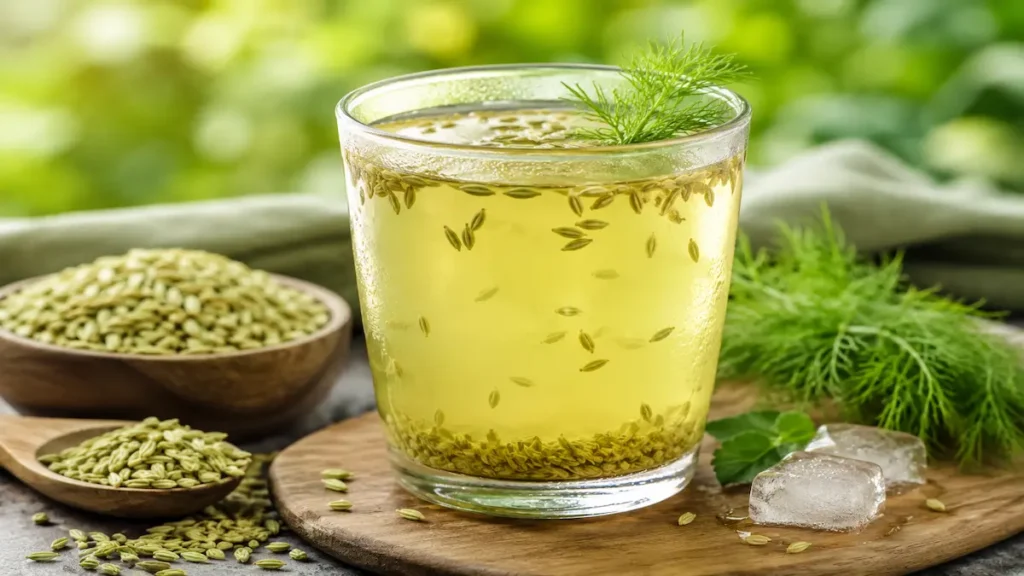
Fennel Seed Sharbat is a refreshing herbal drink made from fennel seeds (Foeniculum vulgare). It has been enjoyed for generations, especially during the summer, because of its cooling taste and digestive properties. Rich in natural antioxidants, essential minerals, and beneficial plant compounds, this traditional drink may support overall wellness. When prepared with little or no added sugar, it can be a healthy and refreshing addition to a balanced diet.
Whether you want a refreshing summer drink or a natural way to support digestion, Fennel Seed Sharbat is a simple and nutritious choice.
Key Takeaways
- Fennel Seed Sharbat is a refreshing summer drink that may support digestion.
- It provides natural antioxidants, minerals, and beneficial plant compounds.
- Prepare it with minimal added sugar for a healthier homemade drink.
- Enjoy it as part of a balanced diet and healthy lifestyle.
Benefits of Fennel Seed Sharbat
1. Supports Healthy Digestion
Fennel seeds are traditionally used to help reduce gas, bloating, and indigestion. Drinking Fennel Seed Sharbat after meals may help improve digestive comfort.
2. Helps Keep the Body Cool
One of the biggest reasons people enjoy Fennel Seed Sharbat during hot weather is its naturally refreshing and cooling effect. It can help you feel refreshed on warm days.
3. Rich in Antioxidants
Fennel seeds contain antioxidants such as flavonoids and polyphenols. These compounds help protect the body’s cells from oxidative stress caused by free radicals.
4. Freshens Breath Naturally
Fennel seeds have a pleasant aroma and are commonly chewed after meals. Drinking Fennel Seed Sharbat may also help keep your breath fresh.
5. Provides Essential Minerals
Fennel seeds contain small amounts of calcium, potassium, magnesium, and iron, which support normal body functions.
6. May Support Hydration
When prepared with water and minimal sugar, Fennel Seed Sharbat is a refreshing way to increase fluid intake during hot weather.
Note: Current research supports some digestive and antioxidant benefits of fennel, but more human studies are needed to confirm all traditional health claims.
Nutrition of Fennel Seed Sharbat
The nutrition of Fennel Seed Sharbat depends on the recipe and the amount of sweetener used. A homemade sharbat with less sugar is usually a healthier choice.
Fennel seeds naturally provide antioxidants, potassium, calcium, magnesium, iron, and a small amount of fiber. If you add lemon juice, the drink also gets a little vitamin C.
For comparison, one raw fennel bulb contains about 72.8 calories, 17.2 g carbohydrates, 2.91 g protein, 0.47 g fat, and 7.28 g fiber. The nutrition of fennel seed sharbat will be different because it is made by soaking or blending fennel seeds with water and other ingredients.
| Nutrient | Health Benefit |
| Antioxidants | Help protect cells from damage |
| Fiber (small amount) | Supports healthy digestion |
| Potassium | Supports muscle and nerve function |
| Calcium | Helps keep bones strong |
| Magnesium | Supports normal muscle function |
| Iron | Helps carry oxygen in the body |
| Vitamin C (if lemon is added) | Supports the immune system |
Tip: Use less sugar or choose honey or jaggery in moderation for a healthier homemade sharbat.
How to Make Fennel Seed Sharbat
Ingredients
- 2 tablespoons fennel seeds
- 2 cups water
- 1 teaspoon lemon juice (optional)
- 1–2 teaspoons honey or jaggery (optional)
- Ice cubes (optional)
Method
- Wash the fennel seeds thoroughly.
- Soak them in water for 6–8 hours or overnight.
- Blend the soaked seeds with the same water.
- Strain the mixture using a fine sieve or muslin cloth.
- Add lemon juice and honey or jaggery if desired.
- Stir well and serve chilled.
For the healthiest version of Fennel Seed Sharbat, avoid adding too much sugar.
Any Side Effects of Fennel Seed Sharbat?
Fennel Seed Sharbat is generally safe for most healthy adults when consumed in moderation. However, some people should be careful.
- Drinking large amounts may cause stomach discomfort in sensitive individuals.
- People who are allergic to fennel should avoid it.
- Excess sugar can reduce the health benefits of the drink.
- Pregnant or breastfeeding women should consult a healthcare professional before consuming large amounts regularly.
- If you take medicines for hormonal conditions or other long-term illnesses, ask your doctor before making it a daily habit.
Conclusion
Fennel Seed Sharbat is a refreshing and nutritious summer drink that may support digestion, help keep the body cool, and provide natural antioxidants. It is easy to prepare at home using a few simple ingredients. For the best results, enjoy this herbal drink with minimal added sugar as part of a balanced diet and healthy lifestyle. Keep in mind that it is not a substitute for medical treatment or professional healthcare advice.
Frequently Asked Questions (FAQs)
1. Is Fennel Seed Sharbat good for digestion?
Yes. Fennel seeds have traditionally been used to support digestion and may help reduce bloating and gas in some people.
2. Can I drink Fennel Seed Sharbat every day?
Most healthy adults can enjoy it in moderation. It is best to prepare it with little or no added sugar.
3. Does Fennel Seed Sharbat help cool the body?
Many people drink it during summer because it has a refreshing taste and is traditionally considered a cooling beverage.
4. Can people with diabetes drink Fennel Seed Sharbat?
Yes, but it should be prepared without added sugar or with a diabetes-friendly sweetener after consulting a healthcare professional.
5. What is the best time to drink Fennel Seed Sharbat?
It can be enjoyed in the morning, between meals, or after meals, especially during hot weather.
References
- Warehousing Development and Regulatory Authority (WDRA). Fennel Seeds
- U.S. Food and Drug Administration (FDA). Global Ingredient Archival System (GINAS) – Fennel (Foeniculum vulgare)
- National Center for Biotechnology Information (NCBI). Foeniculum vulgare: A Comprehensive Review of Its Traditional Use, Phytochemistry, Pharmacology, and Safety
- Spices Board India. Fennel (Foeniculum vulgare)

Medical Disclaimer
This content is for informational purposes only and should not be considered medical advice.