Yoga for Mental Health and Physical Fitness: Amazing Benefits for a Healthier Life
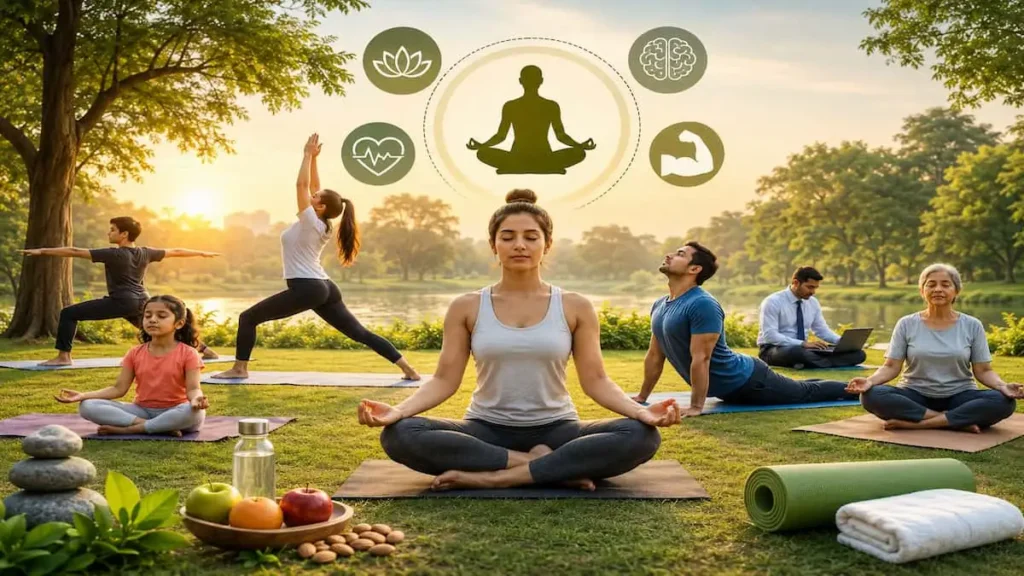
Yoga for Mental Health and Physical Fitness is one of the best ways to improve your overall well-being. In today’s busy world, many people face stress, poor sleep, low energy, and health problems.
Yoga can help improve both the body and the mind naturally. People spend many hours studying, working, using mobile phones, and sitting in front of computers. Because of this, many people feel tired, stressed, and unhealthy.
Some people have back pain. Some people cannot sleep well. Others feel worried, nervous, or sad. Many people want a simple way to improve their health. Yoga can help.
Yoga is one of the oldest health practices in the world. It started in India thousands of years ago. Today, millions of people do yoga every day. Yoga is not only an exercise. It is a way to take care of your body and mind together. It uses simple body movements, breathing exercises, and relaxation techniques.
People of all ages can do yoga. Children, students, office workers, parents, and older adults can all enjoy its benefits. Yoga can help you become stronger, more flexible, calmer, and happier. It can improve your body, your mind, and your daily life.
In this guide, you will learn how yoga helps mental health and physical fitness. You will also learn easy yoga poses and simple tips to start your yoga journey.
What Is Yoga for Mental Health and Physical Fitness?
Yoga is an ancient practice that helps bring the body and mind together. The word “Yoga” means “to join” or “to connect.”
Yoga teaches people how to:
• Move their body
• Control their breathing
• Relax their mind
• Improve focus
• Live a healthy life
Yoga has three main parts.
Yoga Poses
Yoga poses are body positions that improve strength, balance, and flexibility.
Breathing Exercises
Breathing exercises help you take slow and deep breaths.
They help calm the body and mind.
Meditation
Meditation means sitting quietly and focusing your attention.
It helps reduce stress and improve concentration.
These three parts work together to improve overall health.
Why Is Yoga for Mental Health and Physical Fitness Important Today?
Modern life is very different from the past.
Many people spend most of their day sitting.
Students sit in classrooms.
Office workers sit at desks.
Many people spend hours looking at mobile phones.
This lifestyle can cause health problems.
Some common problems include:
• Weight gain
• Back pain
• Poor posture
• Stress
• Anxiety
• Poor sleep
• Low energy
Yoga helps fight these problems.
It keeps the body active and the mind calm.
That is why yoga is becoming more popular around the world.
Why Physical Activity Matters
The human body is made to move.
When people do not move enough, their health can suffer.
Regular physical activity helps:
• Build strong muscles
• Keep the heart healthy
• Improve balance
• Increase energy
• Maintain a healthy weight
Experts say children should be active every day.
Adults should also exercise regularly.
Yoga is a safe and simple way to stay active. Yoga for Mental Health and Physical Fitness is a simple way to stay active and improve overall health. Regular practice supports both physical fitness and emotional well-being.
How Yoga for Mental Health and Physical Fitness Helps Your Body
Yoga offers many physical benefits.
Let us look at some of the most important ones.
Yoga Improves Flexibility
Many people have tight muscles.
This happens because they sit for long periods.
Yoga stretches the muscles gently.
With regular practice, the body becomes more flexible.
Better flexibility makes daily activities easier.
You can bend, walk, and move more comfortably.
Yoga Makes Muscles Stronger
Many yoga poses use your own body weight.
This helps build strength in:
• Arms
• Legs
• Back
• Shoulders
• Core muscles
Strong muscles help protect your joints.
They also improve balance and movement.
Yoga Improves Balance
A good balance is important for everyone.
Yoga teaches your body how to stay steady.
Many yoga poses challenge your balance.
Over time, this improves body control.
A better balance can help prevent falls and injuries.
Yoga Improves Posture
Many people have poor posture.
This often happens because of mobile phones and computers.
Poor posture can cause:
• Neck pain
• Shoulder pain
• Back pain
Yoga strengthens the muscles that support good posture.
It helps you stand and sit correctly.
Yoga Supports Heart Health
Your heart works every day to pump blood through your body.
Yoga helps improve blood circulation.
Some forms of yoga can also improve heart fitness.
A healthy heart helps you stay active and energetic.
Yoga Helps Control Weight
Many people struggle with weight gain.
Yoga can help in several ways.
Yoga helps people:
• Stay active
• Reduce stress eating
• Make healthier food choices
Regular yoga can support healthy weight management.
Yoga Increases Energy
Do you often feel tired?
Many people do.
Yoga helps improve oxygen flow in the body.
It also improves blood circulation.
As a result, many people feel more energetic after yoga.
How Yoga for Mental Health and Physical Fitness Supports Mental Wellness
Mental health is just as important as physical health.
Yoga can help improve the way people think and feel.
Yoga Reduces Stress
Stress is a part of life.
School, work, and family responsibilities can all create stress.
Too much stress can harm the body and mind.
Yoga helps reduce stress naturally.
Slow breathing and gentle movements help the body relax.
Many people feel calmer after just one yoga session.
Yoga Helps Reduce Anxiety
Anxiety makes people worry too much.
They may feel nervous even when there is no danger.
Yoga teaches people to focus on the present moment.
This helps quiet the mind.
Many people with anxiety feel better when they practice yoga regularly.
Yoga Improves Mood
Yoga can help people feel happier.
Physical movement and deep breathing help the brain release chemicals that improve mood.
These natural chemicals help people feel:
• Happy
• Calm
• Relaxed
• Positive
This is one reason many people enjoy yoga.
Yoga Improves Focus
Many people have trouble concentrating.
Students often get distracted while studying.
Adults may struggle to focus at work.
Yoga trains the mind to pay attention.
It teaches people to focus on breathing and movement.
This can improve concentration over time.
Yoga Helps Build Confidence
Yoga is not about being perfect.
It is about doing your best.
As people improve their strength and flexibility, they often feel more confident.
They begin to trust themselves more.
This can improve self-esteem and emotional health.
Yoga Helps You Sleep Better
Good sleep is important for health.
Many people have trouble sleeping because of stress.
Yoga helps calm the mind before bedtime.
It helps the body relax.
People who practice yoga often sleep better and wake up feeling refreshed.
How Yoga Helps Students
Students face many challenges every day.
They have:
• Homework
• Exams
• School projects
• Competition
These pressures can create stress.
Yoga helps students by:
• Improving focus
• Reducing stress
• Increasing confidence
• Improving sleep
Even 15 minutes of yoga each day can help students feel better. Many schools now encourage Yoga for Mental Health and Physical Fitness because it helps students stay focused, calm, and healthy.
How Yoga Helps Office Workers
Office workers often sit for many hours.
This can cause:
• Back pain
• Neck pain
• Stress
• Fatigue
Yoga helps stretch tight muscles.
It also improves posture and reduces stress.
Many office workers use yoga to feel healthier and more energetic. Yoga for Mental Health and Physical Fitness can help office workers reduce stress and improve posture after long hours of sitting.
How Yoga Helps Older Adults
As people get older, their bodies change.
They may experience:
• Stiff joints
• Poor balance
• Reduced flexibility
Gentle yoga can help.
It improves movement and balance.
It also helps older adults stay active and independent. Experts often recommend Yoga for Mental Health and Physical Fitness for older adults because it supports balance, flexibility, and mobility.
Best Yoga Poses for Beginners
You do not need difficult poses to enjoy yoga.
These beginner-friendly poses are simple and effective.
Child’s Pose
Benefits:
• Relaxes the body
• Reduces stress
• Stretches the back
Cat-Cow Pose
Benefits:
• Improves spinal movement
• Reduces stiffness
• Warms up the body
Cobra Pose
Benefits:
• Strengthens the back
• Improves posture
• Opens the chest
Downward Dog
Benefits:
• Stretches the whole body
• Builds strength
• Improves circulation
Warrior Pose
Benefits:
• Strengthens the legs
• Improves balance
• Builds confidence
Simple Yoga Poses for Better Mental Health
Some yoga poses are especially helpful for relaxing the mind.
Child’s Pose
This pose is one of the best relaxation poses.
It helps:
• Calm the mind
• Relax the body
• Reduce stress
Many people use this pose when they feel tired or overwhelmed.
Happy Baby Pose
This pose gently stretches the hips and lower back.
Benefits include:
• Relaxation
• Better flexibility
• Less body tension
It is also a fun pose that helps people feel more comfortable and relaxed.
Legs-Up-The-Wall Pose
This is a simple pose.
You lie on your back and place your legs against a wall.
Benefits:
• Reduces stress
• Relaxes tired legs
• Improves circulation
• Calms the mind
Many people enjoy doing this pose before bedtime.
Yoga and Mindfulness
Mindfulness means paying attention to what is happening right now.
Many people spend their time:
• Thinking about the past
• Worrying about the future
This can create stress and anxiety.
Yoga teaches people to focus on:
• Breathing
• Body movement
• The present moment
This helps reduce mental noise.
It helps people feel calmer and more peaceful.
Mindfulness is one reason yoga is so powerful.
One reason people choose Yoga for Mental Health and Physical Fitness is that it teaches mindfulness and emotional control.
Yoga and Breathing
Breathing is an important part of yoga.
Most people do not pay attention to their breathing.
When people are stressed, their breathing often becomes:
• Fast
• Shallow
• Uneven
Yoga teaches slow and deep breathing.
Deep breathing helps:
• Relax the nervous system
• Improve oxygen flow
• Reduce stress
• Improve focus
Even a few minutes of deep breathing can help you feel calmer.
Yoga and Emotional Health
Everyone experiences emotions.
Sometimes people feel:
• Angry
• Sad
• Frustrated
• Worried
These feelings are normal.
The problem happens when emotions become too strong.
Yoga helps people manage emotions in a healthy way.
It teaches patience.
It teaches self-awareness.
It teaches calmness.
People who practice yoga often become better at handling difficult situations.
Instead of reacting quickly, they learn to pause and think.
This can improve relationships at home, school, and work. Regular Yoga for Mental Health and physical fitness can help people handle emotions in a healthier way.
Yoga and Self-Confidence
Many people struggle with self-confidence.
They may feel:
• Not good enough
• Too weak
• Too shy
Yoga can help.
Every time a person learns a new pose, they gain confidence.
Every time they see progress, they feel proud.
Yoga teaches people to focus on improvement, not perfection.
This lesson is useful in all areas of life.
Confidence grows when people see what their bodies and minds can do.
A Simple Daily Yoga Routine
You do not need hours of practice.
Even 20 to 30 minutes each day can help.
Morning Routine
Start your day with:
• 2 minutes of deep breathing
• Child’s Pose
• Cat-Cow Pose
• Cobra Pose
• Downward Dog
This helps wake up the body and mind.
Afternoon Routine
If you feel tired during the day:
• Stretch your arms
• Stretch your back
• Take slow deep breaths
This can improve energy and focus.
Evening Routine
Before bed:
• Child’s Pose
• Legs-Up-The-Wall Pose
• Deep breathing
This helps relax the body and prepare for sleep.
Common Mistakes Beginners Make
Many beginners make simple mistakes.
Knowing these mistakes can help you avoid them.
Trying Difficult Poses Too Soon
Some people want fast results.
They try advanced poses before they are ready.
This can lead to injury.
Always start with beginner poses.
Forgetting to Breathe
Breathing is a key part of yoga.
Many beginners hold their breath during difficult poses.
Remember to breathe slowly and naturally.
Comparing Yourself to Others
Every person is different.
Some people are naturally flexible.
Others are not.
Do not compare yourself to others.
Focus on your own progress.
Practicing Without Consistency
Doing yoga once in a while is not enough.
Regular practice gives the best results.
Even 15 minutes a day can help.
Ignoring Pain
Yoga should not cause sharp pain.
If something hurts, stop and adjust the pose.
Always listen to your body.
Tips for Starting Yoga
If you are new to yoga, these tips can help.
Start Small
Do not try to do too much at once.
Begin with simple poses.
Be Patient
Yoga takes time.
You may not see results immediately.
Keep practicing.
Small improvements add up over time.
Wear Comfortable Clothes
Choose clothes that allow easy movement.
Comfort helps you focus on the practice.
Create a Quiet Space
Find a calm place where you can practice without distractions.
This helps improve concentration.
Stay Consistent
A short daily practice is better than a long practice once a week.
Consistency is the key to success.
Yoga and Healthy Lifestyle Habits
People who practice yoga often develop healthier habits.
Yoga encourages people to:
• Eat healthy foods
• Drink enough water
• Sleep well
• Stay active
• Manage stress
These habits work together to improve overall health.
Yoga becomes more than exercise.
It becomes a healthy way of life. Yoga for Mental Health and Physical Fitness encourages healthy habits that support long-term wellness.
Why Yoga Is Different from Other Exercises
Many exercises focus only on the body.
Yoga focuses on both the body and the mind.
For example:
Running improves fitness.
Weight training builds muscles.
Yoga improves:
• Strength
• Flexibility
• Balance
• Focus
• Mental health
• Emotional well-being
This makes yoga unique.
It helps people feel healthy inside and outside. This is why many people prefer Yoga for Mental Health and Physical Fitness over other forms of exercise.
Can Children Do Yoga?
Yes.
Yoga is safe for children when practiced correctly.
Benefits for children include:
• Better concentration
• Improved flexibility
• Better balance
• Less stress
• More confidence
Many schools now include yoga activities because they support learning and well-being.
Can Older Adults Do Yoga?
Yes.
Many yoga poses can be modified for older adults.
Benefits include:
• Better mobility
• Stronger muscles
• Improved balance
• Reduced stiffness
• Better quality of life
Older adults should choose gentle yoga and follow professional guidance when needed.
Long-Term Benefits of Yoga for Mental Health and Physical Fitness
The benefits of yoga grow over time.
People who practice regularly may experience:
• Better physical fitness
• Improved flexibility
• Stronger muscles
• Better posture
• Better sleep
• Lower stress
• Improved focus
• Greater confidence
• Better emotional health
These benefits can improve everyday life.
Expert Advice for Safe Yoga Practice
Health and fitness experts often recommend:
• Learning proper technique
• Starting slowly
• Practicing regularly
• Listening to your body
• Staying hydrated
If you have a medical condition, talk to a healthcare professional before beginning a new exercise program.
Conclusion
Yoga for Mental Health and Physical Fitness is one of the most effective ways to improve overall health and well-being. It supports a stronger body, a calmer mind, and a happier life.
The benefits of Yoga for Mental Health and Physical Fitness can be seen in daily life, from better sleep to improved energy and focus.
It helps strengthen the body, improve flexibility, support heart health, and increase energy. At the same time, it reduces stress, improves mood, helps people sleep better, and supports emotional well-being.
One of the greatest benefits of yoga is that it is suitable for almost everyone.
Children, students, office workers, parents, and older adults can all benefit from regular practice.
You do not need expensive equipment. You do not need a large space. You only need a few minutes each day and a willingness to begin.
With regular practice, yoga can help you build a stronger body, a calmer mind, and a healthier future.
Start small.
Stay consistent.
Enjoy the journey.
Your body and mind will thank you.
Frequently Asked Questions (FAQs)
1. What are the benefits of Yoga for Mental Health and Physical Fitness?
Yoga for Mental Health and Physical Fitness can reduce stress, improve sleep, increase flexibility, strengthen muscles, and support emotional well-being.
2. Can beginners do yoga?
Yes. Yoga is suitable for beginners. You can start with simple poses and learn step by step.
3. Is Yoga for Mental Health and Physical Fitness good for beginners?
Yes. Yoga for Mental Health and Physical Fitness is suitable for beginners because it includes simple poses, breathing exercises, and relaxation techniques.
4. Can yoga reduce stress?
Yes. Yoga helps calm the mind and relax the body. Regular practice can lower stress and help you feel more peaceful.
5. Can Yoga for Mental Health and Physical Fitness improve daily life?
Yes. Yoga for Mental Health and Physical Fitness can improve sleep, reduce stress, increase energy, and support better overall health.
6. Can yoga improve sleep?
Yes. Yoga helps relax the body and mind. It may help you fall asleep faster and enjoy better sleep.
7. Is yoga good for students?
Yes. Yoga can help students improve focus, reduce exam stress, and increase confidence.
8. Can yoga help with back pain?
Many yoga poses help stretch and strengthen the back. This may reduce mild back pain and improve posture.
9. Does yoga help with weight loss?
Yoga can support weight loss by keeping the body active and encouraging healthy lifestyle habits.
10. Do I need special equipment for yoga?
No. A yoga mat is helpful, but you do not need expensive equipment to start yoga.
11. Can children do yoga?
Yes. Children can practice simple yoga poses safely with proper guidance.
12. Is yoga safe for older adults?
Yes. Gentle yoga can help older adults improve balance, flexibility, and movement.
13. What is the best time to do yoga?
Many people prefer doing yoga in the morning. However, yoga can be practiced at any time of the day.
14. How often should I practice Yoga for Mental Health and Physical Fitness?
Most people can benefit from practicing Yoga for Mental Health and Physical Fitness at least three to five times per week.
15. Why is yoga good for mental health?
Yoga helps reduce stress, improve mood, increase focus, and support emotional well-being. It helps people feel calmer and happier.

Medical Disclaimer
This content is for informational purposes only and should not be considered medical advice.