15 Most Common Cancer Types: Symptoms, Risks & Prevention Guide
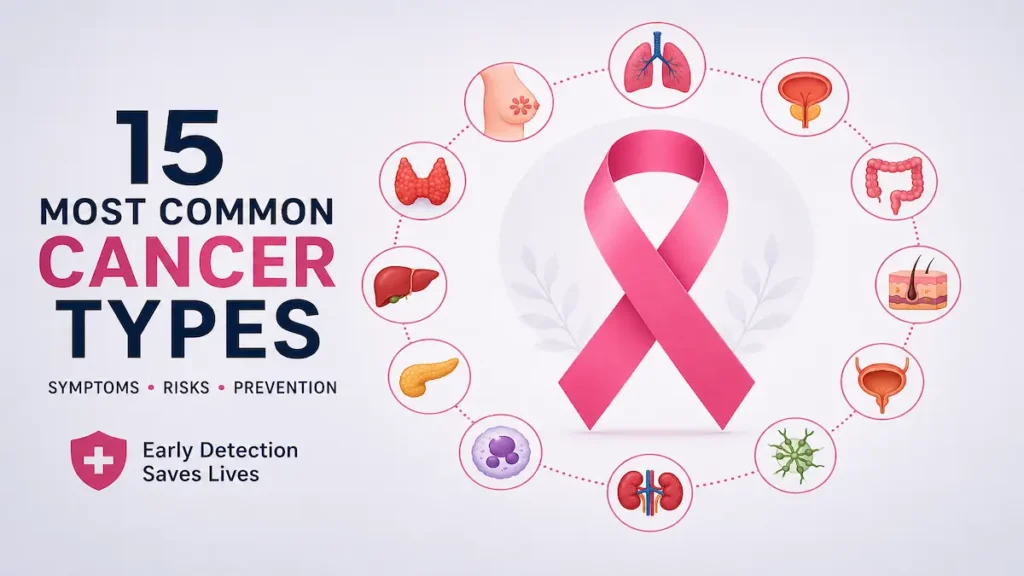
Cancer is one of the leading health problems worldwide. It happens when abnormal cells grow out of control and spread to other parts of the body. There are more than 200 types of cancer, but some are much more common than others.
Knowing the Most Common Cancer Types can help you recognize early warning signs, understand risk factors, and take steps to reduce your cancer risk. Early detection often improves treatment success and survival.
Key Takeaways
- Learn the Common Cancer Types and recognize their early warning signs.
- Smoking, obesity, alcohol, poor diet, inactivity, and family history increase cancer risk.
- Regular screening helps detect many cancers before symptoms become severe.
- Healthy habits and timely medical checkups can lower cancer risk and improve outcomes.
What Are the Common Cancer Types?
The Common Cancer Types affect millions of people every year. Learning about these cancers can help you identify symptoms early and seek medical care without delay.
1. Breast Cancer
Breast cancer starts in the breast tissue and mainly affects women, although men can also develop it. It is one of the most common cancers worldwide.
Common Symptoms
- Lump in the breast or underarm
- Changes in breast shape or size
- Nipple discharge
- Skin dimpling
Risk Factors
- Age
- Family history
- Obesity
- Hormonal changes
2. Lung Cancer
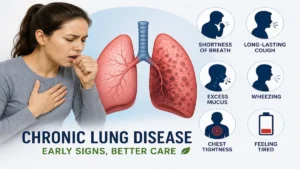
Lung cancer is one of the leading causes of cancer-related deaths. Smoking is the biggest risk factor, but non-smokers can also develop lung cancer.
Common Symptoms
- Long-lasting cough
- Chest pain
- Shortness of breath
- Coughing up blood
3. Prostate Cancer
Prostate cancer affects the prostate gland in men. It usually grows slowly and may not cause symptoms in the early stages.
Common Symptoms
- Frequent urination
- Weak urine flow
- Blood in urine
- Pelvic discomfort
4. Colorectal Cancer
Colorectal cancer begins in the colon or rectum. Regular screening helps detect it early.
Common Symptoms
- Blood in stool
- Changes in bowel habits
- Stomach pain
- Unexplained weight loss
5. Melanoma (Skin Cancer)
Melanoma develops in the cells that produce skin pigment. It is more dangerous than many other skin cancers if not treated early.
Watch For
- New mole
- Changes in size, shape, or color
- Bleeding or itching mole
6. Bladder Cancer
Bladder cancer often starts in the lining of the bladder and is more common in older adults.
Common Symptoms
- Blood in urine
- Pain during urination
- Frequent urination
- Lower back pain
7. Non-Hodgkin Lymphoma
This cancer affects the lymphatic system, which helps fight infections.
Common Symptoms
- Swollen lymph nodes
- Fever
- Night sweats
- Weight loss
- Fatigue
8. Kidney Cancer
Kidney cancer usually starts in one kidney and may not cause symptoms early.
Common Symptoms
- Blood in urine
- Side pain
- Lump near the kidney
- Weight loss
9. Endometrial Cancer
Endometrial cancer starts in the lining of the uterus and mainly affects women after menopause.
Common Symptoms
- Abnormal vaginal bleeding
- Pelvic pain
- Pain during urination
10. Leukemia
Leukemia is a blood cancer that begins in the bone marrow and affects healthy blood cell production.
Common Symptoms
- Frequent infections
- Easy bruising
- Tiredness
- Fever
- Bone pain
11. Pancreatic Cancer
Pancreatic cancer is difficult to detect in its early stages because symptoms usually appear late.
Common Symptoms
- Yellow skin (Jaundice)
- Weight loss
- Back pain
- Poor appetite
12. Thyroid Cancer
Thyroid cancer develops in the thyroid gland located in the neck. Most cases respond well to treatment.
Common Symptoms
- Lump in the neck
- Difficulty swallowing
- Hoarse voice
- Neck pain
13. Liver Cancer
Liver cancer is linked to long-term liver disease, hepatitis B or C infection, and cirrhosis.
Common Symptoms
- Abdominal pain
- Weight loss
- Jaundice
- Swollen abdomen
14. Ovarian Cancer
Ovarian cancer affects the ovaries and is often diagnosed late because early symptoms are mild.
Common Symptoms
- Bloating
- Pelvic pain
- Feeling full quickly
- Frequent urination
15. Esophageal Cancer
Esophageal cancer develops in the food pipe connecting the throat to the stomach.
Common Symptoms
- Difficulty swallowing
- Chest discomfort
- Weight loss
- Persistent heartburn
Common Risk Factors
Many of the Common Cancer Types share similar risk factors, including:
- Smoking and tobacco use
- Excess alcohol consumption
- Obesity
- Physical inactivity
- Poor diet
- Family history
- Long-term exposure to harmful chemicals
- HPV infection
- Hepatitis B or Hepatitis C infection
Can the Common Cancer Types Be Prevented?
Not every cancer can be prevented, but healthy habits may lower your risk.
- Avoid smoking and tobacco.
- Eat more fruits, vegetables, and whole grains.
- Exercise regularly.
- Maintain a healthy weight.
- Protect your skin from excessive sunlight.
- Limit alcohol.
- Get recommended cancer screenings.
- Stay up to date with HPV and Hepatitis B vaccines.
Final Thoughts
Understanding the Most Common Cancer Types helps you recognize warning signs, reduce risk factors, and make healthier lifestyle choices. While not every cancer can be prevented, regular checkups, screening tests, and early diagnosis greatly improve treatment success. If symptoms last for more than two weeks or worsen over time, consult a healthcare professional promptly.
Frequently Asked Questions (FAQs)
What are the Common Cancer Types?
The Common Cancer Types include breast, lung, prostate, colorectal, melanoma, bladder, non-Hodgkin lymphoma, kidney, endometrial, leukemia, pancreatic, thyroid, liver, ovarian, and esophageal cancer.
Which cancer is the most common worldwide?
Breast cancer is currently the most commonly diagnosed cancer worldwide, while lung cancer remains one of the leading causes of cancer-related deaths.
Can cancer be prevented?
Not all cancers can be prevented, but healthy habits, avoiding tobacco, maintaining a healthy weight, exercising regularly, limiting alcohol, and regular screening can significantly reduce the risk.
What are the early warning signs of cancer?
Common warning signs include unexplained weight loss, unusual bleeding, persistent pain, long-lasting cough, lumps, bowel habit changes, and ongoing fatigue.
Why is early cancer detection important?
Early detection allows treatment to begin before cancer spreads, improving survival rates and increasing the chances of successful treatment.
References
- National Cancer Institute (NCI) – Common Cancers
https://www.cancer.gov/types/common-cancers - American Oncology Institute (AOI) – 10 Most Common Cancer Types
https://www.americanoncology.com/blogs/10-most-common-cancer-types - World Health Organization (WHO) – Cancer Fact Sheet
https://www.who.int/news-room/fact-sheets/detail/cancer - PubMed Central (PMC) – Cancer Research Article
https://pmc.ncbi.nlm.nih.gov/articles/PMC13343830/

Medical Disclaimer
This content is for informational purposes only and should not be considered medical advice.