Healthiest Vegetables: 7 Vegetables You Should Eat Every Day
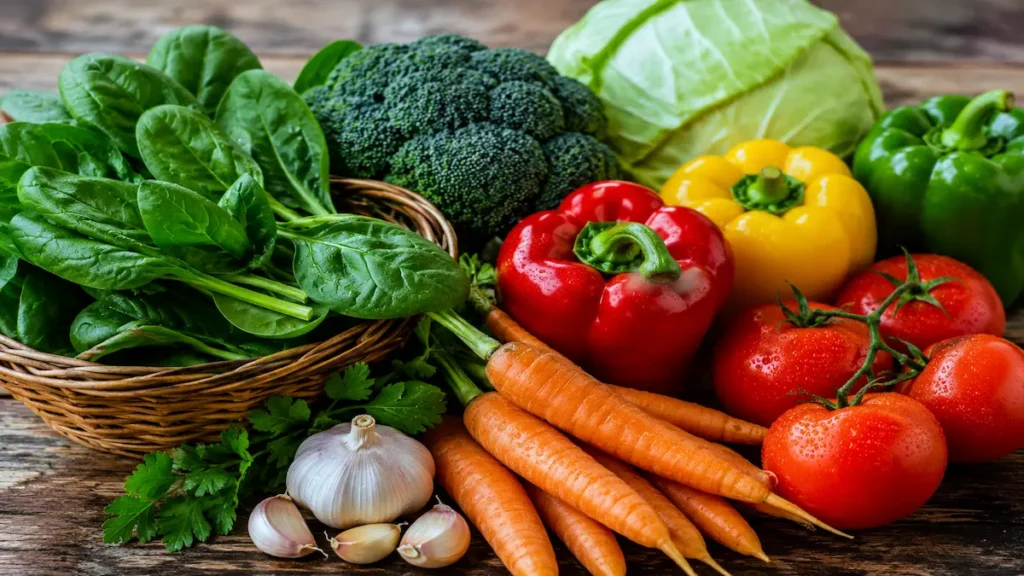
Eating healthy is one of the best ways to protect your body and stay active. While medicines are important when you are sick, a balanced diet, regular exercise, and enough sleep are the foundation of good health. Vegetables are packed with vitamins, minerals, fiber, and antioxidants that help your body work properly.
Although no single vegetable can cure every disease, research shows that eating a variety of vegetables every day may help lower the risk of heart disease, type 2 diabetes, obesity, and some types of cancer. A colorful diet also supports healthy digestion, stronger immunity, and overall well-being.
If you are looking for the healthiest vegetables, this guide covers seven nutrient-rich vegetables that nutrition experts often recommend as part of a healthy diet.
Key Takeaways
- Eat a variety of healthy vegetables every day for better nutrition.
- Spinach, broccoli, carrots, tomatoes, garlic, bell peppers, and cabbage are nutrient-rich choices.
- Fresh or lightly cooked vegetables help retain more nutrients.
- A balanced diet with vegetables supports long-term health and wellness.
Healthiest Vegetables: 7 Best Choices for a Healthy Diet
- Spinach
- Broccoli
- Carrots
- Tomatoes
- Bell Peppers
- Garlic
- Cabbage
Each of these vegetables provides different nutrients. Instead of eating only one type, try to include a variety of vegetables in your weekly meals to get the greatest health benefits.
Nutrition Comparison Table (Per 100 g)
| Nutrient | Spinach | Broccoli | Carrot | Tomato | Bell Pepper (Red) | Garlic | Cabbage |
| Calories (kcal) | 23 | 34 | 41 | 18 | 31 | 149 | 25 |
| Protein (g) | 2.9 | 2.8 | 0.9 | 0.9 | 1.0 | 6.4 | 1.3 |
| Fiber (g) | 2.2 | 2.6 | 2.8 | 1.2 | 2.1 | 2.1 | 2.5 |
| Vitamin A (µg) | 469 | 31 | 835 | 42 | 157 | 0 | 5 |
| Vitamin C (mg) | 28.1 | 89.2 | 5.9 | 13.7 | 127.7 | 31.2 | 36.6 |
| Vitamin K (µg) | 483 | 102 | 13.2 | 7.9 | 4.9 | 1.7 | 76 |
| Folate (µg) | 194 | 63 | 19 | 15 | 46 | 3 | 43 |
| Iron (mg) | 2.7 | 0.7 | 0.3 | 0.3 | 0.4 | 1.7 | 0.5 |
| Potassium (mg) | 558 | 316 | 320 | 237 | 211 | 401 | 170 |
| Magnesium (mg) | 79 | 21 | 12 | 11 | 12 | 25 | 12 |
| Calcium (mg) | 99 | 47 | 33 | 10 | 7 | 181 | 40 |
Note: Values are approximate for 100 g of raw vegetables and may vary slightly depending on the variety, growing conditions, and cooking method.
1.Healthiest Vegetables – Spinach
Spinach1 is one of the most nutritious leafy green vegetables. It is rich in iron, folate, vitamins A, C, and K, magnesium, and powerful antioxidants that support many body functions.
Quick Facts
| Topic | Details |
| Key Nutrients | Iron, Folate, Vitamins A, C & K, Magnesium |
| Main Benefits | Supports eye health, bone health, immunity, and healthy blood production |
| Best Ways to Eat | Cooked as a vegetable, in soup, dal, smoothies, or salads |
| Precautions | People with kidney stones should talk to their doctor before eating large amounts. |
Health Benefits
- Provides iron and folate, which help make healthy red blood cells.
- Contains lutein and zeaxanthin that support normal eye health.
- Vitamin K helps maintain strong bones.
- Vitamin C supports a healthy immune system.
- Rich in antioxidants that help protect body cells from oxidative stress.
2.Healthiest Vegetables – Broccoli
Broccoli is a cruciferous vegetable often called a superfood because of its impressive nutrition profile. It contains vitamin C, vitamin K, fiber, folate, and plant compounds such as sulforaphane.
Quick Facts
| Topic | Details |
| Key Nutrients | Vitamin C, Vitamin K, Fiber, Folate |
| Main Benefits | Supports immunity, digestion, and overall health |
| Best Ways to Eat | Lightly steamed, roasted, in soups, or salads |
| Precautions | If broccoli causes gas, start with small portions and increase gradually. |
Health Benefits
- Helps support the body’s natural immune system.
- High fiber content promotes healthy digestion.
- May help with healthy weight management because it is low in calories and filling.
- Provides antioxidants that help protect cells from damage.
- Supports overall wellness as part of a balanced diet.
3.Healthiest Vegetables – Carrots
Carrots2 are sweet, crunchy, and full of important nutrients. They are especially rich in beta-carotene, which the body converts into vitamin A.
Quick Facts
| Topic | Details |
| Key Nutrients | Beta-Carotene, Vitamin A, Fiber, Potassium |
| Main Benefits | Supports eye health, skin health, heart health, and digestion |
| Best Ways to Eat | Fresh in salads, lightly cooked, roasted, or added to soups |
| Precautions | Eating whole carrots is generally better than drinking carrot juice because they contain more fiber. |
Health Benefits
- Helps maintain normal vision and healthy eyes.
- Supports healthy skin through vitamin A.
- Fiber promotes better digestion and gut health.
- Potassium helps support normal blood pressure.
- Antioxidants help protect body cells from free radical damage.
4.Healthiest Vegetables – Tomatoes
Tomatoes are one of the most commonly eaten vegetables in many households. They are rich in lycopene, a powerful antioxidant that helps protect the body’s cells from oxidative stress. Tomatoes also provide vitamin C, potassium, folate, and several other important nutrients.
Quick Facts
| Topic | Details |
| Key Nutrients | Lycopene, Vitamin C, Potassium, Folate |
| Main Benefits | Supports heart health, skin health, and immunity |
| Best Ways to Eat | Fresh in salads, soups, curries, sauces, or lightly cooked |
| Precautions | People with acid reflux (GERD) or frequent heartburn may need to limit tomato intake if symptoms worsen. |
Health Benefits
- Rich in lycopene, an antioxidant that supports overall health.
- Vitamin C helps maintain a healthy immune system.
- Potassium supports normal heart and muscle function.
- Low in calories, making tomatoes a smart choice for weight management.
- Adds flavor and nutrition to many healthy meals.
5.Healthiest Vegetables – Bell Peppers
Bell peppers3 come in different colors, including green, red, yellow, and orange. Red bell peppers are especially high in vitamin C and beta-carotene, making them an excellent addition to a balanced diet.
Quick Facts
| Topic | Details |
| Key Nutrients | Vitamin C, Vitamin A, Fiber, Antioxidants |
| Main Benefits | Supports immunity, eye health, and healthy skin |
| Best Ways to Eat | Raw in salads, stir-fried, roasted, or stuffed |
| Precautions | Wash thoroughly before eating to remove dirt and pesticide residues. |
Health Benefits
- One of the richest natural sources of vitamin C.
- Helps the body produce collagen, which supports healthy skin.
- Contains antioxidants that protect body cells.
- Supports healthy vision with carotenoids like lutein and zeaxanthin.
- Low in calories and suitable for most healthy eating plans.
6.Healthiest Vegetables – Garlic
Garlic4 is more than a flavorful cooking ingredient. It contains allicin, a natural sulfur compound that has been widely studied for its health-supporting properties.
Quick Facts
| Topic | Details |
| Key Nutrients | Allicin, Vitamin B6, Vitamin C, Manganese |
| Main Benefits | Supports heart health and the immune system |
| Best Ways to Eat | Added to curries, soups, vegetables, or lightly crushed before cooking |
| Precautions | People taking blood-thinning medicines or preparing for surgery should consult their healthcare provider before consuming large amounts. |
Health Benefits
- Supports normal cardiovascular health.
- Contains antioxidants that help protect cells.
- May help support the body’s natural immune defenses.
- Adds flavor without increasing sodium intake.
- Can be part of a heart-friendly diet when eaten in moderation.
7.Healthiest Vegetables – Cabbage
Cabbage is an affordable and nutrient-rich vegetable that is high in fiber and low in calories. It is available in green, red, and purple varieties and fits well into many healthy meals.
Quick Facts
| Topic | Details |
| Key Nutrients | Vitamin C, Vitamin K, Fiber, Folate |
| Main Benefits | Supports digestion, weight management, and gut health |
| Best Ways to Eat | Fresh in salads, lightly steamed, stir-fried, or cooked |
| Precautions | People with thyroid conditions should ask their doctor before eating large amounts of raw cabbage regularly. |
Health Benefits
- High fiber content supports healthy digestion.
- Low in calories, making it useful for healthy weight management.
- Vitamin C supports immune function.
- Provides antioxidants that help protect body cells.
- Easy to include in everyday meals.
Best Ways to Eat the Healthiest Vegetables
To get the most nutrition from vegetables, prepare and eat them properly.
- Eat vegetables in different colors every day.
- Include both raw and cooked vegetables in your diet.
- Avoid overcooking, as it may reduce some vitamins.
- Steam, boil, roast, or lightly stir-fry instead of deep frying.
- Wash vegetables carefully before cooking or eating.
- Pair vegetables with whole grains, lean protein, healthy fats, and fruits for a balanced diet.
Important Tips Before Adding More Vegetables to Your Diet
- Do not depend on only one vegetable for all your nutrition.
- Choose fresh, seasonal vegetables whenever possible.
- Wash vegetables thoroughly before use.
- If you have kidney disease, thyroid disease, digestive disorders, or other medical conditions, ask your doctor or a registered dietitian before making major dietary changes.
- A healthy lifestyle includes regular exercise, enough sleep, stress management, and a balanced diet.
Conclusion
Adding nutrient-rich vegetables to your daily meals is one of the easiest ways to improve your overall health. Spinach, broccoli, carrots, tomatoes, bell peppers, garlic, and cabbage provide essential vitamins, minerals, fiber, and antioxidants that support many body functions.
Remember, there is no single “super vegetable” that can cure every disease. The best approach is to eat a wide variety of colorful vegetables as part of a balanced diet, stay physically active, get enough sleep, and follow a healthy lifestyle. These simple habits can help you maintain better health for years to come.
Frequently Asked Questions (FAQs)
Which vegetable is the healthiest?
There is no single healthiest vegetable. Spinach, broccoli, carrots, tomatoes, bell peppers, garlic, and cabbage all provide different nutrients that work together to support good health.
Should I eat vegetables every day?
Yes. Most health experts recommend eating a variety of vegetables every day because they provide vitamins, minerals, fiber, and antioxidants that support overall health.
Are raw vegetables healthier than cooked vegetables?
Both have benefits. Some nutrients are better absorbed after cooking, while others are higher in raw vegetables. Eating a mix of both is usually the best approach.
Can vegetables prevent diseases?
A healthy diet rich in vegetables may help lower the risk of several chronic diseases. However, vegetables cannot prevent or cure diseases on their own. They should be part of an overall healthy lifestyle.
How many servings of vegetables should adults eat daily?
Most dietary guidelines recommend eating at least 2½ to 3 cups (or about 5 servings) of vegetables per day, depending on age, sex, and activity level.
References
- ScienceDirect – Recent Research on Vegetables and Human Health
- Wikipedia – Carrot
- United States International Trade Commission (USITC) – Bell Peppers
- National Center for Biotechnology Information (NCBI) – Health Benefits of Garlic

Medical Disclaimer
This content is for informational purposes only and should not be considered medical advice.