Monsoon Hair Care Tips: How to Reduce Hair Fall Naturally with Rice Water
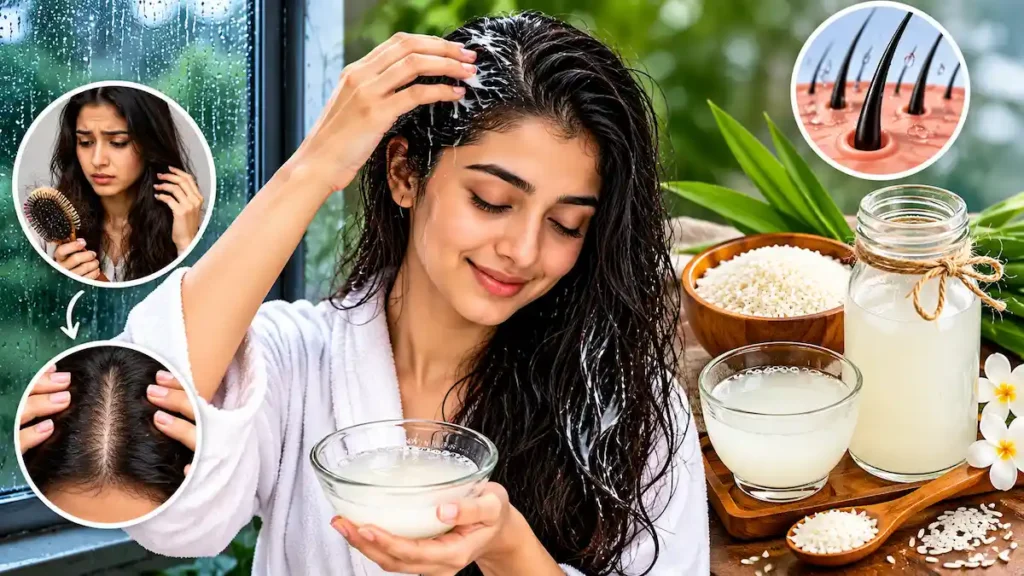
Monsoon Hair Care Tips are important for protecting hair from humidity, sweat, dandruff, and seasonal hair fall during the rainy season. The monsoon season brings cool winds and relief from summer heat, but it can also cause frizz, oily scalp, weak hair, and breakage.
With the right hair care routine and natural remedies like rice water, you may help keep your hair smooth, healthy, and strong throughout the rainy season. Seasonal hair fall during monsoon is common, but healthy food and proper scalp care may help reduce hair fall naturally.
One natural remedy that has become very popular in recent years is rice water. People in countries like Japan and China have used rice water for centuries to improve hair strength, smoothness, and shine. Today, many beauty experts also recommend rice water for hair growth and scalp care because it may help reduce breakage and improve hair texture naturally.
Why Does Hair Fall Increase During Monsoon?
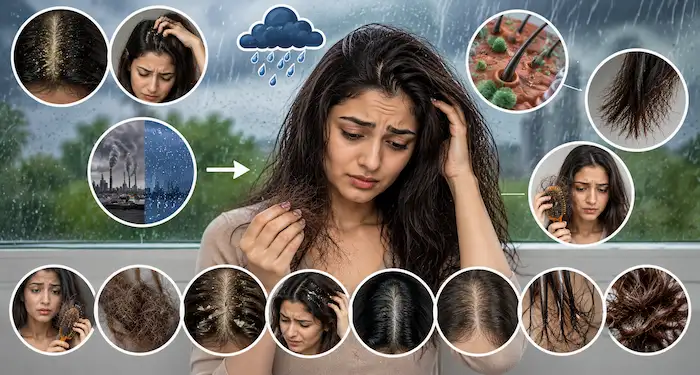
Many people experience increased hair fall during monsoon because of humidity, sweat, scalp infections, and excess oil buildup. High moisture levels in the air can make the scalp oily and sweaty, which may weaken hair and increase breakage.
According to many Monsoon Hair Care Tips, rainwater in polluted areas may contain dirt, chemicals, and acidic particles that can disturb the scalp’s natural pH balance. This may lead to itching, dryness, dandruff, and scalp irritation.
Another common reason for monsoon hair fall is fungal infection. Damp weather creates the perfect environment for fungus and dandruff to grow on the scalp. If the scalp is not cleaned properly, buildup and infection may weaken the hair roots and increase hair breakage.
Some common monsoon hair problems include:
• Hair fall
• Frizzy hair
• Dandruff
• Itchy scalp
• Oily scalp
• Weak hair
• Split ends
• Tangled hair
Understanding these common hair problems and following the right Monsoon Hair Care Tips may help keep your hair healthy, smooth, and manageable during the rainy season.
Best Monsoon Hair Care Tips to Reduce Hair Fall Naturally
- Avoid Heat Styling Tools
Many people use straighteners, curling irons, and strand dryers to style their strands. However, during the monsoon, strands are already weak because of humidity and moisture. Heat styling removes natural moisture from the roots and makes them dry and brittle.
As a result, strands break easily while combing. Split ends and rough texture also become common.
To protect your hair during the monsoon:
• Avoid regular use of straighteners and curling tools.
• Use a strand dryer only on low heat or cool settings.
• Let your strands dry naturally whenever possible.
• Choose simple hairstyles instead of tight styling.
Natural hair is easier to manage and healthier during humid weather.

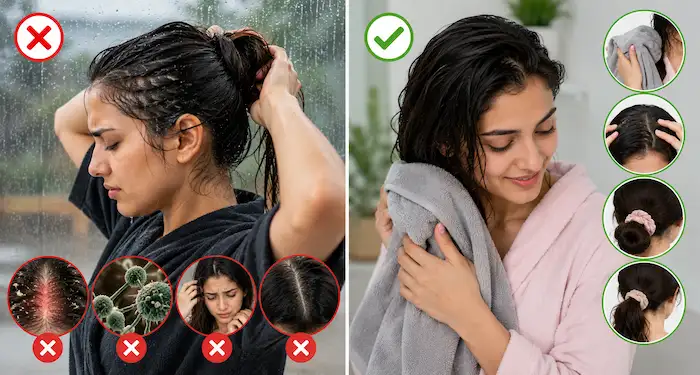
- Never Tie Wet Hair
Tying wet hair is one of the biggest mistakes people make during the monsoon.
A wet scalp is weaker and stretches easily. If you tie your scalp while it is still wet, the hair roots become stressed, and scalp breakage increases.
Wet hair also traps moisture inside the scalp. This can lead to:
• Fungal infection
• Bad smell
• Dandruff
• Itching
• Hair fall
Instead:
• Dry your hair properly after washing.
• Use a soft microfiber towel.
• Pat the scalp gently instead of rubbing.
• Allow the scalp to dry before tying your hair.
• Use loose scalp ties or soft scrunchies.
These simple steps can protect your hair from unnecessary damage.
- Oil Your Hair Regularly
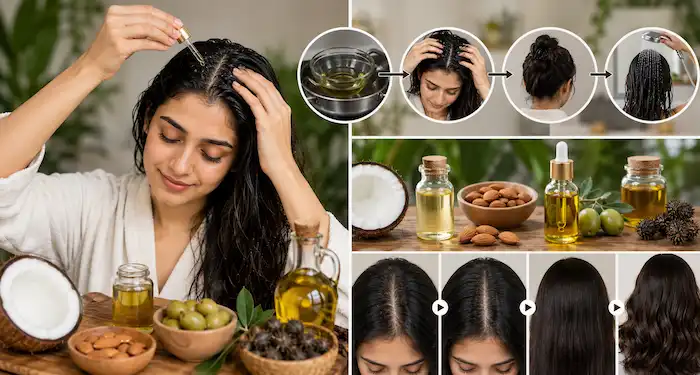
Scalp oiling is very important during the monsoon.
Natural oils help nourish the scalp and protect it from dryness and damage. Oil massage also improves blood circulation, which helps strengthen the hair roots.
Some good oils for monsoon scalp care are the following:
• Coconut oil
• Argan oil
• Castor oil
• Almond oil
• Olive oil
Benefits of oiling include:
• Deep nourishment
• Reduced dryness
• Stronger roots
• Better scalp health
• Improved shine
• Less frizz
How to oil your hair correctly: - Warm the oil slightly.
- Massage gently into the scalp.
- Leave it for a few hours.
- Wash with a mild shampoo.
Do not apply too much oil because excess oil may attract dirt and fungus during humid weather.
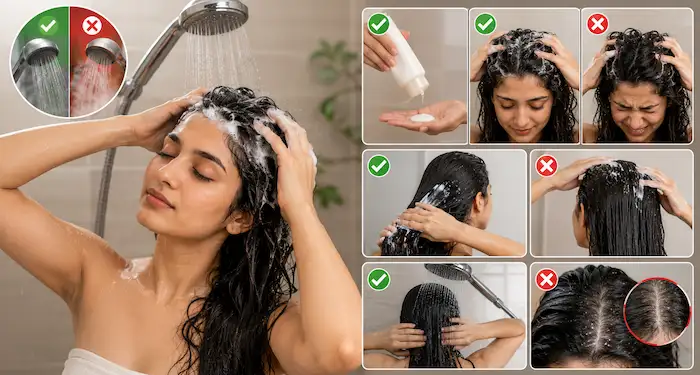
- Wash Hair the Right Way
Keeping the scalp clean is important during the monsoon because sweat, oil, and pollution collect quickly.
However, washing the scalp too often may remove natural oils and make hair dry.
Many experts recommend cleansing your scalp 2–3 times weekly with a gentle sulfate-free cleanser.
Tips for proper scalp washing:
• Use lukewarm or cool water.
• Avoid very hot water.
• Choose gentle shampoos.
• Do not rub the scalp aggressively.
• Apply conditioner only on the root lengths.
• Rinse properly to avoid product buildup.
A clean scalp helps prevent dandruff and fungal infections.
- Use the Right Comb
The type of comb you use also affects hair health.
During the monsoon, hair becomes tangled easily. Using a narrow-tooth comb can increase breakage.
A wide-tooth comb is better because it:
• Reduces root breakage
• Removes tangles gently
• Prevents frizz
• Protects weak strands
Wooden combs are often recommended because they reduce static electricity and make roots smoother.
Also, avoid sharing combs with others to reduce the risk of scalp infections.
- Eat Healthy Foods for Strong Roots
Healthy hair starts from inside the body.
A balanced diet rich in vitamins, minerals, and protein can improve root strength and reduce hair fall.
Foods that support healthy roots include:
• Eggs
• Green leafy vegetables
• Nuts and seeds
• Fish
• Fruits
• Yogurt
• Lentils
• Whole grains
Important nutrients for hair health are:
• Protein
• Iron
• Biotin
• Omega-3 fatty acids
• Vitamin E
• Zinc
Drink enough water daily, as hydration is important for scalp health.
- Protect Hair from Rainwater
Rainwater may look clean, but it can contain pollution and harmful chemicals.
If rainwater stays on the scalp for a long time, it can weaken the scalp shaft and increase hair fall.
If your roots get wet in the rain:
• Wash it with clean water.
• Dry the scalp properly.
• Avoid sleeping with wet hair.
Using an umbrella or scarf can also help protect your roots.
What Is Rice Water?
Rice water for hair fall is becoming a popular natural remedy because it may help reduce breakage, improve smoothness, and support healthier-looking hair during the monsoon season. Rice water is one of the most popular natural remedies used in many monsoon hair care tips and routines. Rice water is the starchy liquid left after soaking, washing, or cooking rice.
For centuries, people have used natural rice rinse as a natural beauty treatment.
Historical examples include:
• Japanese women during the Heian period used natural rice rinse for long and shiny hair.
• Yao women in China are famous for their floor-length scalps and often wash it with fermented natural rice rinse.
Today, natural rice rinse is widely used as a natural home remedy for hair care.
Nutrients Found in Rice Water
Natural rice rinse contains many nutrients that may support hair health, including:
• Amino acids
• Inositol
• Vitamin B
• Vitamin E
• Minerals
• Antioxidants
• Starch
These nutrients may help strengthen root strands and improve the strands’ texture.
Rice Water for Hair Fall: Benefits and Uses
Many people also use rice water for hair growth because it contains amino acids and nutrients that may support stronger-looking hair.
- May Reduce Root Breakage
Rice water contains inositol, which may improve the elasticity and reduce friction between hair strands.
This may help reduce hair breakage during combing.
- Makes Hair Smooth and Shiny
The starch in rice water creates a thin coating on the root strands.
This coating may make roots look:
• Shinier
• Softer
• Smoother
• Less frizzy
- Helps Detangle Hair
Rice water may make roots easier to manage.
People with frizzy or tangled hair often use rice water to improve smoothness.
- Supports Scalp Health
Some people believe natural rice rinse may help reduce dandruff and scalp irritation.
Its soothing properties may support a cleaner and healthier scalp.
- Natural and Affordable Remedy
Rice water is inexpensive and easy to prepare at home.
Unlike many chemical-based root products, it is a simple, natural remedy that fits into a sustainable beauty routine.
How to Make Rice Water at Home
Making a natural rice rinse is simple.
Ingredients
• ½ to 1 cup rice
• 2 to 3 cups clean water
• Bowl and container
Method 1: Soaking Method
• Wash the rice properly.
• Add fresh water.
• Soak the rice for 30 minutes.
• Strain the water into a clean container.
The collected liquid is natural rice rinse.
Method 2: Boiling Method
• Cook rice in extra water.
• After cooking, strain the remaining water.
• Let it cool.
This thick water can also be used for hair.
Method 3: Fermented Rice Water
• Soak rice in water.
• Keep the water in a container for 1–2 days.
• Store it in the refrigerator.
• Strain before use.
Fermented natural rice rinse is believed to contain higher antioxidant levels.
How to Use Rice Water on Hair
Follow these steps:
- Wash your hair with a mild shampoo.
- Rinse properly.
- Pour rice water onto the scalp and hair.
- Massage gently for a few minutes.
- Leave it for 10–20 minutes.
- Wash with normal water.
- Apply conditioner or light oil if needed.
Using rice water once or twice a week is usually enough.
Important Precautions While Using Rice Water
Although rice water is natural, it may not suit everyone.
Keep these precautions in mind:
• Always do a patch test first.
• Avoid overusing starchy liquids.
• Too much protein may make hair dry.
• People with eczema or a rice allergy should avoid it.
• Stop use if irritation occurs.
People with curly or low-porosity hair should be extra careful because protein buildup may cause dryness.
Common Mistakes That Increase Hair Fall During Monsoon
Many people unknowingly damage their hair during the rainy season.
Avoid these common mistakes:
• Using very hot water
• Tying wet roots
• Excessive heat styling
• Overwashing roots
• Using harsh shampoos
• Sleeping with wet roots
• Skipping scalp cleaning
• Sharing combs and towels
• Ignoring dandruff problems
Small changes in your routine can make a big difference.
Best Hair Care Routine for Monsoon
These monsoon hair care tips may help keep your scalp healthy during humid weather.
Here is a simple monsoon hair care routine:
Morning
• Comb hair gently.
• Use a light serum if needed.
• Keep roots clean and dry.
Before roots Wash
• Apply light oil for a few hours.
Hair Wash Day
• Use mild shampoo.
• Use conditioner on the root lengths.
• Dry scalp properly.
Weekly Care
• Use rice water once or twice.
• Trim split ends regularly.
• Wash pillow covers and towels.
Consistency is the key to healthy hair.
Following simple and natural hair care tips may help keep your hair healthy, smooth, and manageable during rainy weather.
Conclusion
Monsoon Hair Care Tips like proper scalp cleaning, avoiding wet hair tying, regular oiling, healthy eating, and using rice water correctly may help reduce seasonal hair fall naturally. The monsoon season may increase hair fall because of humidity, pollution, sweat, and fungal infections.
However, proper root care can help you maintain healthy and beautiful tresses even during rainy weather.
Simple habits like avoiding heat styling, not tying wet roots, oiling regularly, washing roots properly, and using the right comb can reduce damage significantly.
Rice water is also a popular natural remedy that may improve tresses’ smoothness, shine, and strength. While it is not a magical cure for severe hair loss, many people find it useful as part of a healthy hair care routine.
Healthy roots need patience, consistency, and proper nutrition. By following the right monsoon tresses care tips and using natural remedies wisely, you can reduce hair fall and keep your scalp soft, shiny, and manageable throughout the rainy season.
Frequently Asked Questions (FAQs)
- What are the best monsoon hair care tips for hair fall?
The best monsoon hair care tips include keeping the scalp clean, avoiding heat styling, not tying wet hair, using mild shampoo, oiling regularly, and applying rice water once or twice weekly. - Does rainwater damage hair?
Rainwater may contain pollutants and acidic particles that can weaken roots and irritate the scalp. - How often should I cleanse my hair during the rainy season?
Washing hair 2–3 times a week with a mild shampoo is usually recommended. - Which oil is best for monsoon hair care?
Coconut oil, argan oil, castor oil, and almond oil are commonly used for nourishing roots. - Can I use a scalp dryer during the monsoon?
Yes, but use it on cool or low heat settings to avoid damaging your hair. - Is rice water good for hair growth?
Starchy liquid may help improve scalp texture and reduce breakage, which can support healthier-looking hair. - How often should I use rice water?
Using starchy liquid once or twice a week is usually enough. - Can a starchy liquid remove dandruff?
Some people believe starchy liquid may help soothe the scalp and reduce dandruff, but results may vary. - What foods help reduce hair fall?
Protein-rich foods, leafy vegetables, nuts, seeds, eggs, and fruits support healthy hair. - Can long strands cause more hair fall?
No, long strands only appear to shed more because they are longer.

Medical Disclaimer
This content is for informational purposes only and should not be considered medical advice.