Smart Food and Diet: Benefits, Healthy Food Choices & Easy Tips
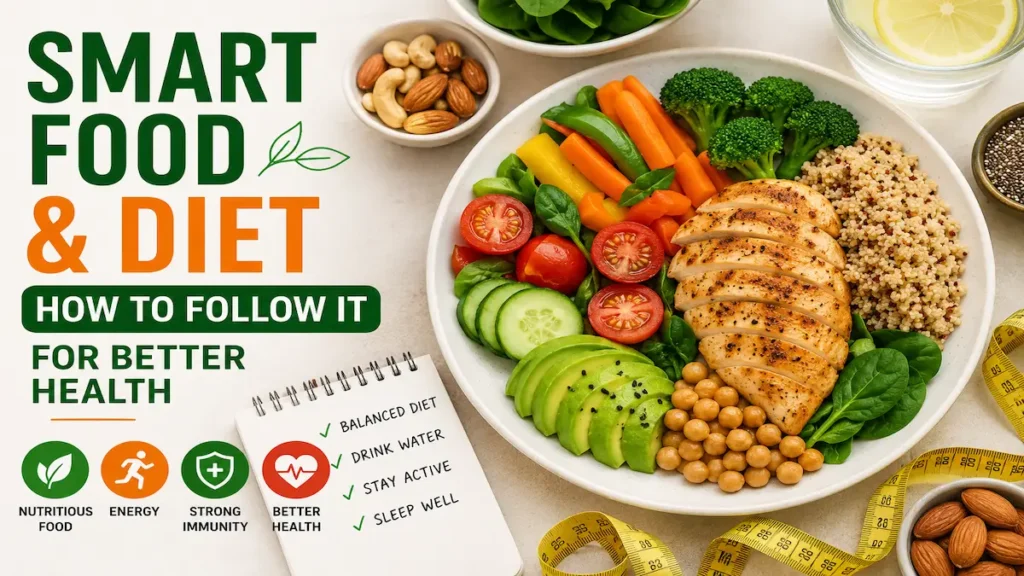
Today, staying healthy is about more than simply eating less or following a strict diet. Many people try different diet plans to lose weight, stay fit, or avoid health problems, but not every diet works well in the long run. This is where the idea of smart food and diet comes in.
A smart food and diet approach focuses on choosing foods that provide important nutrients, support energy levels, and help maintain good health over time. It is not a crash diet or a plan that requires skipping meals. Instead, it is a balanced and practical way of eating that can fit into everyday life.
In this article, you will learn what smart food and diet means, its benefits, and simple ways to follow it for a healthier lifestyle.
What Is Smart Food?
Smart food refers to foods that are rich in nutrients and help the body function properly. These foods usually contain a good balance of fiber, protein, vitamins, minerals, and healthy fats.
Unlike highly processed foods, smart foods provide lasting nutrition and may help support overall well-being.
Examples of Smart Foods
- Fresh fruits
- Green vegetables
- Whole grains
- Beans and lentils
- Nuts and seeds
- Yogurt and other healthy dairy products
- Eggs
- Fish
- Oats
- Millets such as bajra, jowar, and ragi
These foods can help provide important nutrients while keeping you satisfied for a longer time.
What Is a Smart Diet?
A smart diet does not mean completely avoiding any food group. Instead, it focuses on balance, portion control, and making healthier choices.
A smart diet usually includes:
- Balanced meals
- Nutrient-rich foods
- Moderate calorie intake
- Regular meal timing
- Adequate water intake
- Healthy eating habits
The goal of a smart diet is not only weight management but also better overall health and long-term wellness.
Best Smart Foods for Daily Nutrition
Choosing nutrient-rich foods every day can help support overall health, energy levels, and healthy eating habits. The table below highlights some of the best smart foods and their potential benefits.
| Smart Food | Key Nutrients | Potential Benefits |
|---|---|---|
| Oats | Fiber, Complex Carbohydrates | May support digestion and help you feel full longer |
| Eggs | Protein, Vitamins | May support muscle health and daily nutrition |
| Yogurt | Protein, Probiotics | May help support gut and digestive health |
| Leafy Green Vegetables | Vitamins, Minerals, Fiber | May support immunity and overall wellness |
| Fruits | Vitamins, Antioxidants | May help support a healthy immune system |
| Nuts and Seeds | Healthy Fats, Protein | May support heart health and provide lasting energy |
| Lentils and Beans | Protein, Fiber, Iron | May support healthy digestion and balanced nutrition |
| Millets (Bajra, Jowar, Ragi) | Fiber, Minerals | May support energy levels and healthy eating habits |
Benefits of Smart Food and Diet
1. Supports Better Energy Levels
When your body receives the nutrients it needs, you may feel more energetic throughout the day. Highly processed foods often provide a quick burst of energy, while nutrient-rich foods can help maintain steady energy levels.
2. May Help With Weight Management
Foods rich in fiber and protein can help you feel full for longer. This may reduce unnecessary snacking and help with healthy weight management.
3. Supports Digestive Health
Fruits, vegetables, legumes, and whole grains contain fiber, which plays an important role in healthy digestion. A fiber-rich diet may help support regular bowel movements and gut health.
4. Promotes Heart Health
Many smart foods contain nutrients that support heart health, including healthy fats, fiber, and antioxidants.
5. Supports Mental Well-Being
Research suggests that a balanced diet may help support mood, focus, and overall mental well-being. Eating nutritious foods can be an important part of a healthy lifestyle.
Smart Food vs. Junk Food
| Smart Food | Junk Food |
| Rich in nutrients | Often high in calories |
| Contains fiber and protein | Often high in sugar and salt |
| Provides long-lasting energy | Provides short-term energy |
| Supports overall health | May increase health risks |
| Suitable for regular meals | Best consumed in moderation |
This comparison shows how food choices can affect your health over time.
How to Follow a Smart Diet
1. Start Your Day With a Healthy Breakfast
Breakfast is often called the most important meal of the day. A healthy breakfast can provide energy and help you stay focused.
Good breakfast options include:
- Oats
- Fresh fruits
- Milk
- Eggs
- Poha
- Vegetable upma
A balanced breakfast may help reduce unhealthy snacking later in the day.
2. Include Protein in Every Meal
Protein is an important nutrient that supports muscles, growth, and overall health.
Healthy protein sources include:
- Lentils
- Paneer
- Eggs
- Yogurt
- Soybeans
- Chickpeas
Protein-rich foods may help keep you full for longer and support a balanced diet.
3. Fill Half Your Plate With Vegetables
Vegetables provide vitamins, minerals, antioxidants, and fiber.
Try to include a variety of colorful vegetables in your lunch and dinner. Different colors often provide different nutrients that support overall health.
4. Drink Enough Water
Many people mistake thirst for hunger. Drinking enough water throughout the day is important for hydration and normal body functions.
Simple tips include:
- Keep a water bottle with you.
- Drink water before meals.
- Choose water instead of sugary drinks whenever possible.
5. Reduce Highly Processed Foods
Processed foods often contain:
- Added sugar
- Excess salt
- Unhealthy fats
Instead, choose fresh and minimally processed foods whenever possible.
Sample One-Day Smart Diet Plan
Early Morning
- Warm water
- Soaked almonds
Breakfast
- Oats or poha
- One seasonal fruit
Mid-Morning Snack
- Coconut water or fruit
Lunch
- Lentils
- Whole wheat roti
- Vegetable dish
- Fresh salad
Evening Snack
- Green tea
- Roasted chickpeas
Dinner
- Light vegetable curry
- Whole wheat roti or brown rice
- Yogurt
This is only a general example. Individual nutritional needs may vary depending on age, health conditions, and activity level.
Common Mistakes People Make
Skipping Meals
Many people believe skipping meals will help them lose weight faster. However, this may lead to overeating later in the day.
Focusing Only on Calories
The quality of food matters just as much as the number of calories. Nutrient-rich foods provide benefits that go beyond calorie counting.
Not Drinking Enough Water
Poor hydration may lead to tiredness, headaches, and reduced concentration.
Following Extremely Restrictive Diets
Very strict diets can be difficult to maintain and may not provide all the nutrients your body needs.
Is a Smart Diet Right for Everyone?
In general, balanced and nutritious eating habits can benefit most people.
However, if you have a medical condition such as:
- Diabetes
- Kidney disease
- Heart disease
- Food allergies
- Other health concerns
it is a good idea to speak with a doctor or registered dietitian before making major dietary changes.
Tips for Choosing Smart Foods
- Read nutrition labels carefully.
- Choose foods with less added sugar.
- Include more fiber-rich foods.
- Eat fresh fruits and vegetables regularly.
- Practice portion control.
- Stay physically active.
- Limit sugary drinks and processed snacks.
Small changes made consistently can have a positive impact on your health over time.
Healthy Habits That Support a Smart Diet
A smart diet works best when combined with other healthy habits.
Try to:
- Get enough sleep every night.
- Exercise regularly.
- Manage stress in healthy ways.
- Avoid smoking and excessive alcohol consumption.
- Eat meals mindfully without distractions.
Good health is often the result of many small healthy habits working together.
Conclusion
Smart food and diet are not about following the latest food trend or strict eating plan. They are about making better food choices that provide your body with the nutrients it needs to stay healthy and active.
Simple habits such as eating more fruits and vegetables, choosing whole grains, drinking enough water, and reducing processed foods can make a meaningful difference over time.
Remember, lasting health improvements usually come from small and consistent changes rather than extreme diets. By making smarter food choices each day, you can build a healthier lifestyle and support your long-term well-being.
Frequently Asked Questions (FAQs)
1. What is smart food?
Smart food refers to nutrient-rich foods that provide important vitamins, minerals, fiber, protein, and healthy fats to support overall health.
2. Can a smart diet help with weight management?
A balanced diet that includes fiber-rich and protein-rich foods may support healthy weight management when combined with an active lifestyle.
3. Can I eat carbohydrates on a smart diet?
Yes. Healthy carbohydrates such as whole grains, oats, and millets can be part of a balanced smart diet.
4. Do I need to completely avoid junk food?
No. Junk food can be enjoyed occasionally, but it is generally best to limit its intake and focus on nutritious foods most of the time.
5. What is the easiest way to start a smart diet?
Start by eating more fruits, vegetables, protein-rich foods, and drinking enough water each day.
6. Is a smart diet suitable for children and older adults?
Yes. A balanced and nutritious diet can benefit people of all ages, although nutritional needs may vary from person to person.

Medical Disclaimer
This content is for informational purposes only and should not be considered medical advice.