Liver Health: Common Problems, Symptoms, Prevention, and Best Foods
Introduction
Liver health is essential for overall well-being and plays a vital role in keeping your body healthy. The liver performs hundreds of important functions, including digestion, detoxification, energy storage, and nutrient processing.
Many people take care of their heart, lungs, and brain, but they often forget about the liver. This hardworking organ works day and night to keep the body functioning properly.
Even while you are sleeping, the liver continues performing important tasks that support overall health and wellness.
Maintaining good Liver Health can help improve digestion, energy levels, metabolism, and overall wellness.
This organ helps your body digest food, store energy, remove harmful waste, and use nutrients properly. It also helps clean the blood and supports many other body functions.
The good news is that many health problems can be prevented by following simple healthy habits. Eating good food, staying active, drinking enough water, and getting regular checkups can help keep your body strong for many years.
What Does This Organ Do?
This organ is one of the busiest parts of the body. It performs hundreds of jobs every day.
Some of its main jobs include:
• Helping digest food
• Breaking down fats
• Storing energy for later use
• Cleaning harmful substances from the blood
• Storing vitamins and minerals
• Helping control blood sugar levels
• Producing important proteins
• Supporting the body’s defense system
Without it, the body would not be able to work properly.
Why Liver Health Matters
Liver health affects your whole body. When this organ is healthy, you usually feel active and energetic. Your body can digest food properly and remove waste more easily.
But when it becomes damaged, many problems can start. You may feel tired, lose your appetite, or notice changes in your body. In serious cases, health problems can become life-threatening.
That is why it is important to take care of your health before problems begin.
Common Signs of Problems
Many people do not notice symptoms in the beginning. Some conditions grow slowly and may not cause any warning signs at first.
As the problem becomes worse, some symptoms may appear.
Feeling Tired
Many people feel tired all the time even after getting enough rest.
Loss of Appetite
You may not feel hungry or may eat less than usual.
Nausea
Some people may feel sick and may sometimes vomit.
Yellow Skin or Eyes
This condition is called jaundice. It happens when certain substances build up in the body.
Swollen Stomach
Fluid may collect in the stomach area and cause swelling.
Dark Urine
Urine may become darker than normal.
Pale Stool
Stool may become lighter in color than usual.
Itchy Skin
Some people experience itching without any clear reason.
Easy Bruising
You may notice bruises appearing more easily than before.
Confusion
In serious cases, a person may have trouble thinking clearly or remembering things.
If you notice any of these symptoms, it is important to speak with a healthcare professional.
Common Conditions
Hepatitis
Hepatitis means swelling of this important organ. It is often caused by a virus.
There are five main types:
• Hepatitis A
• Hepatitis B
• Hepatitis C
• Hepatitis D
• Hepatitis E
Some types spread through dirty food or water. Others spread through infected blood or body fluids.
Vaccines can help protect against some types.
Fatty Liver
Fatty liver happens when too much fat builds up inside this organ.
This problem is becoming more common around the world.
Some common causes include:
• Being overweight
• Eating unhealthy foods
• Not exercising enough
• Type 2 diabetes
• High cholesterol
The good news is that many people can improve this condition through healthy lifestyle changes.
Cirrhosis
Cirrhosis happens when healthy tissue is replaced by scar tissue.
As more scar tissue forms, it becomes harder for the body to work normally.
Common causes include:
• Drinking too much alcohol for many years
• Long-term hepatitis
• Untreated fatty liver
Cancer
Cancer can develop when abnormal cells begin growing inside the body.
Finding cancer early often gives doctors more treatment options.
Who Has a Higher Risk?
Anyone can develop health problems, but some people have a higher risk.
Risk factors include:
• Drinking too much alcohol
• Being overweight
• Having diabetes
• High cholesterol levels
• Smoking
• Sharing needles
• Unsafe tattoos or piercings
• Family history of health problems
• Exposure to harmful chemicals
Knowing these risks can help people make healthier choices.
Best Foods for Better Liver Health
Food plays a big role in keeping the body healthy.
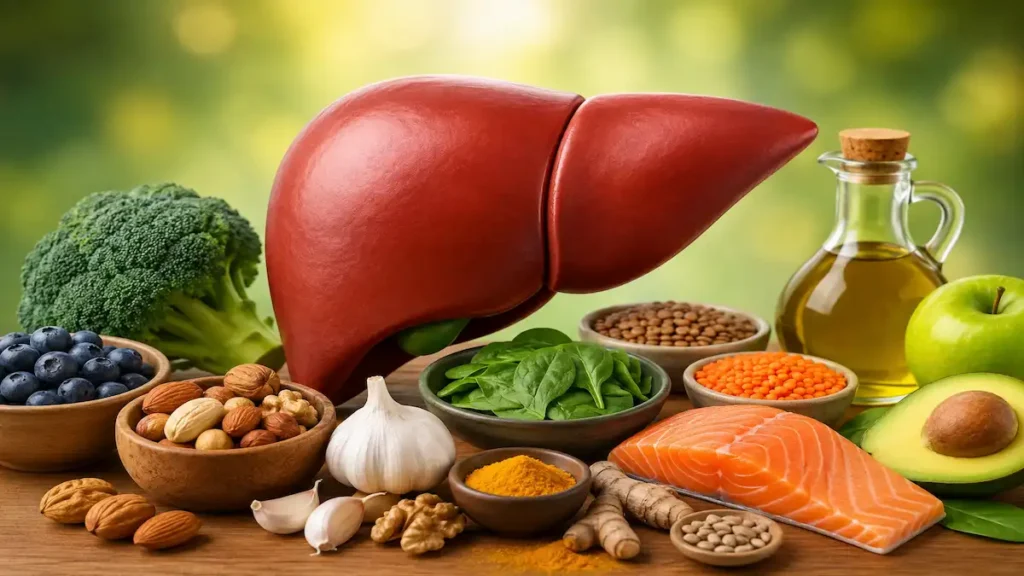
Here are some foods that may help support good health.
Coffee
Many studies suggest that drinking coffee in a limited amount may help support Liver Health and reduce certain liver-related risks.
Green Vegetables
Spinach, kale, broccoli, and other green vegetables are packed with nutrients.
They also contain antioxidants that help protect body cells.
Beans and Lentils
Beans and lentils are healthy foods that provide plenty of fiber and protein.
They can help you feel full for longer and support healthy digestion. These vegetables can be a valuable part of a liver-health-friendly diet.
Fish
Fish such as salmon, tuna, and sardines contain healthy fats called omega-3 fatty acids.
These healthy fats may help support overall wellness.
Oatmeal
Oatmeal is rich in fiber and makes a healthy breakfast choice.
It can also help support a healthy weight.
Nuts
Almonds, walnuts, and other nuts provide healthy fats and important nutrients.
Garlic
Garlic has been used in cooking for centuries and may support overall health.
Turmeric
Turmeric is a yellow spice that contains natural compounds that may help reduce inflammation.
Olive Oil
Olive oil contains healthy fats and can be a better choice than some other cooking oils.
Berries
Blueberries, strawberries, and cranberries contain antioxidants that help protect cells.
Sunflower Seeds
These seeds contain vitamin E and other nutrients that support good health.
Foods to Limit
Some foods should be eaten less often because they may increase health risks.
Alcohol
Too much alcohol can cause serious damage over time.
Sugary Drinks
Soft drinks and sweet beverages often contain large amounts of sugar.
Fried Foods
Fried foods are usually high in calories and unhealthy fats.
Fast Food
Many fast-food meals contain high amounts of salt, fat, and calories.
Processed Snacks
Chips, cookies, and packaged snacks are often low in nutrition.
Too Much Salt
Eating too much salt may cause swelling and other health problems.
Red Meat
Eating large amounts of red meat regularly may not be the healthiest choice.
Healthy Habits That Help
Good Liver Health is not only about food. Daily habits also play an important role in protecting liver function.
Stay Active
Try to exercise for at least 30 minutes most days of the week.
Walking, cycling, running, and sports are all good choices.
Drink Water
Water helps the body work properly. Try to drink enough water every day.
Get Enough Sleep
Sleep gives the body time to rest and recover.
Manage Stress
Too much stress can affect both physical and mental health.
Avoid Smoking
Smoking can damage many parts of the body and increase the risk of serious diseases.
How Doctors Check for Problems
Doctors may use different tests to evaluate Liver Health and identify possible liver diseases.
These tests may include:
• Blood tests
• Ultrasound
• CT scan
• MRI scan
• Biopsy
These tests help doctors find the cause of symptoms and choose the right treatment.
Treatment Options
Treatment aims to improve Liver Health and prevent further damage. Treatment depends on the type of problem and how serious it is.
Common treatments include:
• Healthy lifestyle changes
• Weight loss when needed
• Medicines
• Regular checkups
• Surgery in some cases
• Organ transplant in severe cases
Many people see improvement when they follow their doctor’s advice and make healthy lifestyle changes.
Prevention Tips
Many Liver Health problems can be prevented by following simple healthy habits every day.
You can help protect your health by:
• Eating more fruits and vegetables
• Staying active
• Maintaining a healthy weight
• Drinking enough water
• Avoiding smoking
• Limiting alcohol
• Getting recommended vaccines
• Practicing safe habits
• Having regular health checkups
Small steps taken today can help prevent bigger problems later.
Conclusion
Liver Health should never be ignored because the liver supports many essential functions that keep the body healthy. Liver Health is an important part of overall well-being. This hardworking organ helps digest food, store energy, remove waste, and support many important body functions.
Problems such as hepatitis, fatty liver, cirrhosis, and cancer can affect how it works. The good news is that many of these conditions can be prevented or managed through healthy lifestyle choices.
Eating nutritious foods, staying active, drinking enough water, getting proper sleep, and avoiding harmful habits can help protect your health. Foods such as vegetables, beans, fish, nuts, berries, garlic, oatmeal, and olive oil can be part of a healthy diet.
Taking care of your health today can help you enjoy a stronger, healthier, and more active future.
Frequently Asked Questions (FAQs)
1. What are the first signs of liver problems?
Early signs may include tiredness, loss of appetite, nausea, and stomach discomfort. Some people may not notice symptoms at first.
2. Can fatty liver be reversed?
Yes. Many people improve their condition through healthy eating, regular exercise, and weight loss.
3. Is coffee good for liver health?
Studies suggest that moderate coffee consumption may support healthy function.
4. Which foods are considered healthy choices?
Green vegetables, beans, fish, nuts, oatmeal, berries, garlic, olive oil, and sunflower seeds are healthy options.
5. What foods should be limited?
Alcohol, sugary drinks, fried foods, fast food, processed snacks, and foods high in salt should be limited.
6. Can problems develop without symptoms?
Yes. Many conditions develop slowly and may not show symptoms in the early stages.
7. Does exercise help?
Yes. Regular exercise supports Liver Health, helps maintain a healthy weight, and reduces the risk of fatty liver disease.
8. How much water should I drink?
The amount varies from person to person, but drinking enough water every day helps the body function properly.
9. When should I see a doctor?
You should see a doctor if you notice yellow skin, dark urine, swelling, severe tiredness, or other unusual symptoms.
10. Can healthy habits really make a difference?
Yes. Healthy eating, exercise, good sleep, and regular checkups can greatly reduce the risk of many health problems.

Medical Disclaimer
This content is for informational purposes only and should not be considered medical advice.