25 Easy Homemade Baby Food Recipes for Babies
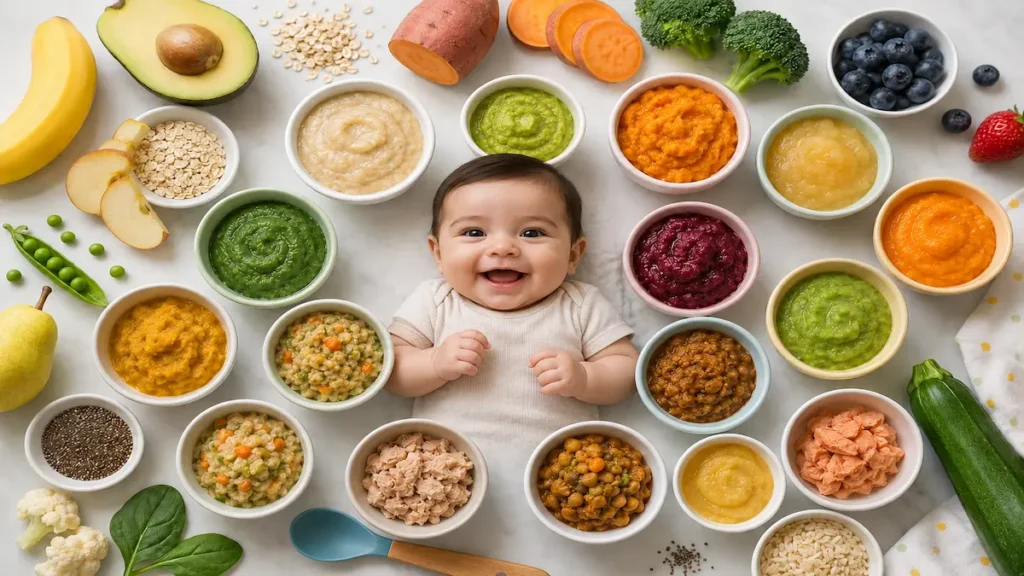
Making homemade baby food is one of the simplest ways to give your baby fresh, healthy, and nourishing meals. Many parents prefer homemade baby food recipes because they know exactly what goes into every spoonful. Fresh fruits, vegetables, grains, and proteins can provide important nutrients that support healthy growth and development.
Most babies are usually ready to begin eating solid foods when they are about 6 months old. Some babies may be ready a little earlier, but this decision should always be made with your pediatrician. Every baby grows at a different pace, so it is important to watch for signs of readiness instead of focusing only on age.
Homemade baby food does not have to be complicated. You only need simple ingredients, basic kitchen tools, and a little time. Soft fruits can be mashed with a fork, while vegetables can be steamed and blended into smooth baby food purees. As your baby grows, you can slowly make foods thicker and introduce new textures.
This guide includes 25 easy homemade baby food recipes for babies between 4 and 12 months, along with helpful feeding tips, baby food safety advice, and answers to common questions. The goal is to help parents prepare balanced meals while making mealtime safe, enjoyable, and nutritious.
Key Takeaways
- Homemade baby food is fresh, nutritious, and made with simple ingredients that support healthy growth.
- Most babies can start solid foods around 6 months with smooth purees and soft, easy-to-digest recipes.
- Introduce one new food every 3–5 days to check for allergies before adding another ingredient.
- Store homemade baby food safely and avoid honey, added salt, added sugar, and choking hazards during the first year.
Why Choose Homemade Baby Food Recipes?
Homemade baby food recipes offer many benefits for both babies and parents.
Fresh Ingredients in Homemade Baby Food
You choose fresh fruits, vegetables, grains, and proteins without unnecessary additives or preservatives.
Better Nutrition in Baby Food Purees
Freshly prepared foods may keep more natural nutrients than foods that have been processed and stored for long periods.
No Added Sugar or Salt
Babies do not need added sugar or salt. Homemade meals allow natural flavors to help shape your baby’s taste preferences.
More Flavor Variety
Babies can enjoy different combinations of fruits, vegetables, grains, and proteins, helping them become more open to new foods as they grow.
Cost-Effective Baby Food Recipes
Preparing baby food at home is often less expensive than buying packaged baby food every week.
Better Portion Control
You can prepare small portions that match your baby’s appetite and reduce food waste.
When Can Babies Start Solid Foods?
Most health experts recommend introducing solid foods at around 6 months of age while continuing breast milk or formula.
Some babies may be ready slightly earlier if recommended by their pediatrician. Starting solids too early may increase the risk of choking or digestive problems because the digestive system is still developing.
Breast milk or infant formula remains your baby’s main source of nutrition during the first year. Solid foods are introduced to provide extra nutrients, practice chewing, and help babies learn new tastes and textures.
Signs Your Baby Is Ready for Homemade Baby Food
Your baby may be ready for homemade baby food recipes if they can:
- Sit upright with little support.
- Hold their head steady.
- Show interest in your food.
- Open their mouth when food is offered.
- Move food from the front of the mouth toward the throat.
- Lose the tongue-thrust reflex that pushes food back out.
If your baby is not showing these signs, it is usually best to wait a little longer and discuss feeding with your pediatrician.
Baby Food Safety Tips for Homemade Baby Food Recipes
Food safety is just as important as nutrition when preparing homemade baby food.
Wash Everything Well
Wash fruits and vegetables thoroughly before preparing them.
Cook Hard Vegetables
Steam or boil vegetables such as carrots, sweet potatoes, and squash until they become soft enough to blend.
Blend to the Right Texture
Start with smooth baby food purees. As your baby grows, gradually make foods thicker and chunkier to support chewing skills.
Introduce One New Food at a Time
Offer only one new food every 3–5 days. This makes it easier to identify possible food allergies or sensitivities.
Watch for Allergic Reactions
Stop feeding the new food and contact your healthcare provider if your baby develops:
- Rash
- Swelling
- Vomiting
- Diarrhea
- Trouble breathing
Never Force Feeding
Let your baby eat at a comfortable pace and follow their natural hunger and fullness cues.
Stop when they show signs of being full.
Foods to Avoid in Homemade Baby Food During the First Year
Some foods are not safe for babies under one year old.
Honey
Honey can contain bacteria that may cause infant botulism.
Whole Nuts
Whole nuts are a choking hazard. Nut butters may be introduced in thin, age-appropriate forms after discussing with your pediatrician.
Large Chunks of Food
Hard fruits, raw vegetables, popcorn, whole grapes, and similar foods can increase choking risk.
Too Much Salt
Babies’ kidneys are still developing, so avoid adding salt to homemade meals.
Added Sugar
Babies do not need foods or drinks with added sugar during their first year.
Natural sweetness from fruits is enough.
Essential Kitchen Tools for Easy Homemade Baby Food Recipes
You do not need expensive equipment to make homemade baby food.
Basic tools include:
- Blender or food processor
- Steamer basket or saucepan
- Mixing bowls
- Fork or potato masher
- Ice cube trays for freezing portions
- BPA-free storage containers
- Soft baby spoons
Understanding Baby Food Stages and Textures
Preparing the right texture is just as important as choosing healthy ingredients.
Stage 1 Homemade Baby Food (4–6 Months)
- Smooth, thin purees
- Single ingredients
- Easy to swallow
Examples:
- Banana puree
- Avocado puree
- Sweet potato puree
Stage 2 Homemade Baby Food (7–9 Months)
- Slightly thicker purees
- Two or three ingredients
- Soft combinations
Examples:
- Pumpkin and apple
- Spinach and potato
- Pear and butternut squash
Stage 3 Homemade Baby Food (9–12 Months)
- Chunky mash
- Soft finger foods
- Finely chopped proteins
Examples:
- Chicken with vegetables
- Quinoa mash
- Fish with carrots
Nutrition Your Baby Needs from Healthy Baby Food Recipes
Growing babies need many important nutrients to support healthy growth, brain development, and strong bones. A balanced diet with different foods helps babies receive these nutrients naturally.
| Nutrient | Why It Matters | Food Sources |
|---|---|---|
| Iron | Supports brain development | Beef, lentils, spinach |
| Calcium | Builds strong bones | Yogurt, cheese |
| Vitamin A | Supports healthy vision | Carrots, sweet potatoes |
| Vitamin C | Helps absorb iron | Strawberries, oranges, peas |
| Healthy Fats | Supports brain growth | Avocado, salmon |
| Protein | Builds muscles and tissues | Chicken, fish, beans, eggs |
Tip: Offer a variety of nutrient-rich foods to help your baby grow healthy and develop lifelong eating habits.
Feeding Tips for First-Time Parents Using Homemade Baby Food
Introducing solid foods is a new experience that helps both you and your baby learn and adjust together.
- Feed your baby when they are calm and not overly tired.
- Start with 1–2 teaspoons and slowly increase the amount.
- Let your baby explore different textures and flavors.
- Be patient if your baby refuses a new food. It may take several attempts before they accept it.
- Continue breastfeeding or formula feeding during the first year.
- Make mealtime relaxed and enjoyable without pressure.
With patience and consistency, babies usually become more confident and interested in trying new foods.
25 Easy Homemade Baby Food Recipes for Babies 4–12 Months
The following recipes are organized by age group to help you introduce new foods safely and gradually.
Homemade Baby Food Recipes for Babies 4–6 Months
These simple baby food purees are perfect for first-time eaters. Keep the texture smooth and start with single ingredients.
1. Banana Puree for Babies
Bananas have a smooth texture, natural sweetness, and are gentle on a baby’s digestive system.
They are a great first food for babies.
How to make it:
Use a fork to mash one ripe banana until it becomes smooth and creamy.
If needed, add a little breast milk, formula, or water to make it thinner.
2. Avocado Puree for Babies
Avocado is rich in healthy fats that support brain growth and development.
How to make it:
Scoop out a ripe avocado and mash it until creamy. Add a small amount of liquid if you want a smoother texture.
3. Sweet Potato Puree for Babies
Sweet potatoes are full of vitamin A, fiber, and natural sweetness.
How to make it:
Cook the sweet potato by steaming or baking it until it becomes soft and tender. Remove the skin and blend or mash until smooth.
4. Pea Puree for Babies
Peas provide protein, iron, and vitamins A and C.
How to make it:
Steam peas until soft, then blend with a little water until smooth. Strain if you want a finer puree.
5. Carrot Puree for Babies
Carrots are naturally sweet and rich in beta carotene.
How to make it:
Steam carrots until very soft, then blend into a smooth puree. Add a little water if needed.
6. Brown Rice Cereal for Babies
Brown rice cereal is gentle on the stomach and easy to digest.
How to make it:
Cook brown rice very well, then blend with breast milk, formula, or water until thin and smooth.
7 to 9 Months Homemade Baby Food Recipes
At this stage, babies can enjoy thicker purees and simple combinations of ingredients.
7. Pumpkin and Thyme Puree
Pumpkin is rich in beta carotene, while thyme adds a mild flavor.
How to make it:
Steam or roast pumpkin until soft. Blend with a tiny pinch of thyme and a little water if needed.
8. Spinach and White Yam Puree
This combination adds iron, calcium, vitamin A, and folate.
How to make it:
Cook spinach and white yam until soft. Blend together until smooth and creamy.
9. Beet and Blueberry Mash
Beets and blueberries create a colorful puree packed with antioxidants.
How to make it:
Steam beets until soft, then blend with blueberries until smooth or lightly mashed.
10. Avocado and Banana Baby Food
This creamy mix combines healthy fats and natural sweetness.
How to make it:
Mash ripe avocado and banana together until smooth. Add a little liquid if you want a softer texture.
11. Veggies and Fish Puree
This recipe introduces protein and vegetables in one meal.
How to make it:
Cook potatoes, carrots, peas, and mild white fish until soft. Blend or mash until smooth.
12. Butternut Squash and Pear Puree
Butternut squash is gentle and pear adds a sweet flavor.
How to make it:
Steam butternut squash and pear until soft, then blend together until smooth.
13. Papaya Puree for Babies
Papaya is soft, easy to digest, and naturally sweet.
How to make it:
Remove the seeds and skin, then mash or blend the papaya until smooth.
14. Apple and Oatmeal Puree
Apple and oatmeal make a filling and gentle meal for growing babies.
How to make it:
Cook peeled apples until soft, then blend with well-cooked oatmeal until smooth. Add a little water, breast milk, or formula if needed.
15. Broccoli and Potato Puree
Broccoli adds vitamins and potato gives a soft, creamy texture.
How to make it:
Steam broccoli and potato until very soft. Blend together until smooth or lightly mashed.
9 to 12 Months Homemade Baby Food Recipes
Older babies can enjoy chunkier textures, soft finger foods, and more complex combinations.
16. White Fish, Carrot, and Leek Puree
This savory puree is rich in omega-3 fatty acids and antioxidants.
How to make it:
Cook white fish, carrots, and leeks until soft. Blend or mash to the desired texture.
17. Quinoa Ratatouille for Babies
This baby-friendly recipe combines vegetables with protein-rich quinoa.
How to make it:
Cook zucchini, tomato, eggplant, and quinoa until soft. Mash or blend lightly.
18. Baby Beef Stew
Beef is a rich source of iron and protein, two important nutrients that support your baby’s healthy growth and development.
How to make it:
Cook beef with carrots, potatoes, and peas until very tender. Mash or chop finely before serving.
19. Blueberry, Mango, and Avocado Puree
This colorful mix is full of vitamins, fiber, and healthy fats.
How to make it:
Blend blueberries, mango, and avocado until smooth. For older babies, leave a little texture.
20. Creamy Chicken Puree with Herbs
This recipe introduces mild herbs and protein in a gentle way.
How to make it:
Cook chicken until soft, then blend with vegetables and a small amount of mild herbs.
21. Quinoa Banana Mash
Quinoa adds protein and texture to sweet banana mash.
How to make it:
Cook quinoa until soft, then mix with mashed banana. Serve warm or at room temperature.
22. Cherry and Mint Greek Yogurt Puree
This recipe is a tasty mix of fruit and dairy for older babies.
How to make it:
Blend cooked cherries into a puree and spoon over full-fat plain Greek yogurt. Add a tiny amount of mint if desired.
23. Apricot and Banana Puree with Cinnamon
This sweet puree is a great breakfast option for babies.
How to make it:
Cook apricots until soft, then blend with banana and a small pinch of cinnamon.
24. Lentil and Carrot Mash
Lentils are a great source of protein and iron, while carrots add natural sweetness.
How to make it:
Cook lentils and carrots until very soft. Mash together or blend lightly for a thicker texture.
25. Peach and Yogurt Puree
Peaches are soft and sweet, and yogurt adds creaminess and calcium.
How to make it:
Blend peeled peaches until smooth, then mix with plain full-fat yogurt. Serve immediately after preparation, either lightly chilled or gently warmed before feeding.
How to Store Homemade Baby Food Safely
Proper storage helps keep homemade baby food fresh and safe.
- Store fresh puree in airtight containers in the refrigerator for up to 2–3 days.
- Freeze baby food in ice cube trays for easy portion control.
- Label containers with the food name and date.
- Thaw frozen food in the refrigerator or warm it gently before serving.
- Never refreeze food that has already been thawed.
Common Mistakes to Avoid with Homemade Baby Food Recipes
Many parents tend to make minor errors when they first begin introducing solid foods. Avoid these common problems:
- Adding salt or sugar
- Serving food that is too hot
- Offering large chunks too early
- Introducing too many new foods at once
- Forcing the baby to finish the meal
- Ignoring signs of fullness
- Not checking with a pediatrician when needed
Final Thoughts on Easy Homemade Baby Food Recipes
Homemade baby food recipes are a simple and healthy way to introduce your baby to solid foods. With fresh ingredients, safe preparation, and age-appropriate textures, you can create meals that support your baby’s growth and development.
The key is to start slowly, keep portions small, and watch your baby’s response to each new food. Over time, your baby will learn to enjoy different flavors and textures while building healthy eating habits for the future.
Whether you are making smooth baby food purees for a 4-month-old or chunkier meals for a 12-month-old, these easy homemade baby food recipes can help make mealtime easier, safer, and more enjoyable for the whole family.
Frequently Asked Questions About Homemade Baby Food Recipes
1. What are the best homemade baby food recipes for beginners?
The best beginner recipes are smooth and simple, such as banana puree, avocado puree, sweet potato puree, and carrot puree.
2. How do I know if my baby is ready for solid foods?
Your baby may be ready if they can sit upright, hold their head steady, and show interest in food.
3. Can I make homemade baby food ahead of time?
Yes. You can prepare baby food in batches and store it in the refrigerator or freezer for later use.
4. What is the safest way to introduce allergenic foods?
Introduce one new food at a time and watch for reactions. Always speak with your pediatrician if you have concerns about allergies.
5. Should I stop breast milk or formula when starting solids?
No. Breast milk or formula should remain your baby’s main source of nutrition during the first year.

Medical Disclaimer
This content is for informational purposes only and should not be considered medical advice.