15 Powerful Ayurvedic Herbs and Spices for Better Health
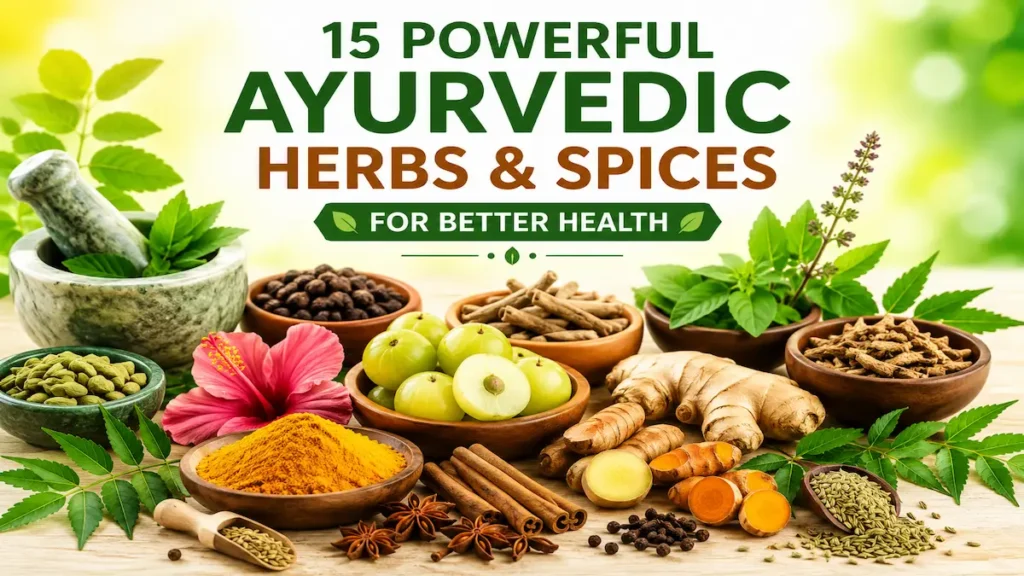
Many people choose Ayurvedic herbs and spices as part of a healthy lifestyle. These natural herbs and spices have been used in traditional Ayurveda for thousands of years and are still popular today.
People have used herbs to stay healthy for thousands of years. One of the oldest healing systems is Ayurveda. It began in India more than 5,000 years ago. Even today, millions of people follow Ayurvedic practices in their daily lives.
Ayurveda does not only focus on treating illness. It also shows people simple ways to stay healthy.
Ayurvedic herbs and spices are an important part of this system. They are used along with healthy habits like eating fresh food, sleeping well, staying active, and keeping the mind calm to support overall wellness.
Many Ayurvedic herbs are still used today. Some help support digestion. Some may help the body fight illness. Others may help people feel calm or sleep better.
Many of these herbs are now being studied by scientists. Some studies show good results, but more research is still needed before experts can confirm all of their health benefits.
The good news is that you may already have some Ayurvedic spices in your kitchen. Turmeric, cumin, ginger, and cardamom are common examples. They add taste to food and may also support your health when used as part of a balanced diet.
This guide explains 15 powerful Ayurvedic herbs and spices. You will learn how Ayurvedic herbs and spices are used, their possible health benefits, and important safety tips before using herbal supplements.
What Is Ayurveda?
Ayurveda is a traditional health system from India. The word Ayurveda means “the science of life.” It teaches that good health comes from taking care of your body every day.
Ayurveda looks at your whole lifestyle. It does not focus on only one health problem.
It encourages people to eat healthy food, get enough sleep, stay active, drink enough water, and manage stress.
Ayurvedic herbs and spices are an important part of Ayurveda. They are often used with healthy food and good daily habits to support overall health and wellness. Ayurveda believes that these small steps can help people stay healthy for a long time.
Today, Ayurvedic herbs and spices are used around the world as part of a balanced lifestyle. Many people include them in their daily meals and wellness routines.
Why Are Ayurvedic Herbs and Spices Important?
Ayurvedic herbs and spices have been used in traditional Indian medicine for thousands of years. Today, many people include Ayurvedic herbs and spices in their daily routine to support overall health.
Herbs and spices do more than make food tasty. Many of them also contain natural substances that may help keep the body healthy.
People have used these herbs for hundreds of years. Today, scientists are studying many of them to learn how they work.
Ayurvedic herbs may help:
• Support healthy digestion
• Build a strong immune system
• Help the body handle daily stress
• Support brain health
• Keep joints healthy
• Improve energy
• Support healthy skin
• Help with overall health
Using Ayurvedic herbs and spices with healthy food and regular exercise may help support overall wellness.
1. Ashwagandha
Ashwagandha is one of the best-known herbs in Ayurveda. It has been used in India for many years. Today, it is popular in many countries.
Many people use Ashwagandha when they feel stressed. Some also take it to sleep better or to feel more energetic during the day.
Some studies show that Ashwagandha may help lower stress in some adults. It may also help improve sleep. Scientists are still studying this herb, so more research is needed.
Possible Benefits
• May help lower stress
• May improve sleep
• May support energy
• May help improve focus
• Supports general health
How to Use Ashwagandha
You can find Ashwagandha in different forms, such as:
• Powder
• Capsules
• Tablets
• Herbal tea
Some people mix the powder with warm milk or water.
Safety Tip
Ashwagandha is not right for everyone. If you are pregnant, breastfeeding, or taking medicine every day, talk to your doctor before using it.
2. Boswellia (Indian Frankincense)
Boswellia comes from the gum of a Boswellia tree. It has been used in Ayurveda for a very long time. Many people use Boswellia to support healthy joints. Some studies suggest that it may help reduce joint discomfort and improve movement. More research is still needed.
Possible Benefits
• May support healthy joints
• May help you move more easily
• May help reduce swelling
• Supports an active lifestyle
How to Use Boswellia
Boswellia is sold as:
• Capsules
• Tablets
• Liquid extract
Always follow the directions on the product label.
Safety Tip
Some people may get an upset stomach after taking Boswellia. Stop using it and talk to your doctor if you notice any unusual symptoms.
3. Triphala
Triphala is not just one herb. It is a mix of three fruits. These fruits work together in traditional Ayurveda.
The three fruits are:
• Amla
• Bibhitaki
• Haritaki
Many people use Triphala to support digestion and gut health.
Amla (Indian Gooseberry)
Amla is a small green fruit. It is rich in vitamin C. People have used it in Ayurveda for a long time.
Many people eat fresh Amla. Others drink Amla juice or use its powder.
Possible Benefits
• Supports the immune system
• Helps keep skin healthy
• Supports digestion
• May support healthy hair
Bibhitaki
Bibhitaki is the second fruit in Triphala.
It has been used to support digestion and breathing. Researchers are still learning more about its health benefits.
Possible Benefits
• Supports digestion
• Helps keep bowel movements regular
• Supports healthy lungs
• Contains helpful plant nutrients
Haritaki
Haritaki is the third fruit in Triphala.
In Ayurveda, it is known as an important herb for digestive health. Many people use it to help keep their stomach healthy.
Possible Benefits
• Supports gut health
• Helps with digestion
• Rich in natural antioxidants
• Supports overall wellness
When these three fruits are mixed together, they form Triphala. Many families have used this herbal blend for generations.
4. Brahmi
Brahmi is a well-known Ayurvedic herb. It is often linked with brain health. Many students and older adults use Brahmi because they believe it may help memory and focus. Some early studies also suggest that Brahmi may support learning and concentration. More studies are still needed.
Possible Benefits
• May support memory
• May improve focus
• Supports learning
• Helps keep the brain healthy
How to Use Brahmi
Brahmi is available as:
• Powder
• Capsules
• Tea
• Liquid drops
Safety Tip
Some people may feel mild stomach discomfort after taking Brahmi supplements. If this happens, stop using it and speak with your doctor.
5. Cumin
Cumin is one of the most common spices in Indian homes. It adds a rich taste to many dishes. For many years, people have also used cumin to support healthy digestion. It is easy to add cumin to your daily meals. You can use whole seeds or ground cumin while cooking.
Possible Benefits
• Supports digestion
• May help reduce gas
• May help reduce bloating
• Gives the body a small amount of iron
• Adds flavor without extra calories
Easy Ways to Use Cumin
You can:
• Add it to dal and vegetables.
• Mix roasted cumin powder into yogurt.
• Sprinkle it on salads.
• Drink cumin water.
• Add it to soups and rice.
Using cumin in normal cooking is safe for most people.
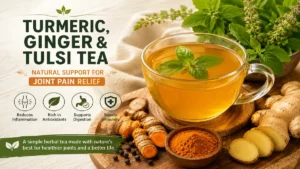
6. Turmeric
Turmeric is one of the most famous spices in Ayurveda. Almost every Indian kitchen has it.
People use turmeric every day in curries, vegetables, rice, and soups. It gives food a bright yellow color.
Turmeric contains a natural substance called curcumin. Some studies show that curcumin may help keep the body healthy. It may help reduce swelling and support the body’s natural defense system. Scientists are still learning more about it.
Possible Benefits
• Supports the immune system
• May help keep joints healthy
• Supports healthy skin
• Rich in natural plant nutrients
• Helps protect body cells
Many people use turmeric with black pepper. Black pepper may help the body absorb curcumin better. You can also add turmeric to warm milk, soups, and smoothies. Using turmeric in normal cooking is safe for most healthy adults.
7. Licorice Root
Licorice root has been used in Ayurveda for a long time. It has a naturally sweet taste. Many people use it in herbal tea and other natural remedies.
People often use licorice root when they have a sore throat. It is also used to support digestion and help keep the stomach comfortable.
Possible Benefits
• May help soothe a sore throat
• Supports healthy digestion
• May support stomach health
• Contains natural plant compounds
How to Use It
Licorice root is available as:
• Herbal tea
• Powder
• Capsules
• Liquid extract
Safety Tip
Do not take large amounts of licorice root for a long time. It may raise blood pressure in some people. If you have heart disease, kidney disease, or high blood pressure, talk to your doctor before using it.
8. Gotu Kola
Gotu Kola is another well-known herb in Ayurveda. People have used it for many years to support brain health and healthy skin.
Some early studies suggest that Gotu Kola may help memory and blood flow. More research is still needed.
Possible Benefits
• May support memory
• Supports healthy skin
• May help blood flow
• Supports brain health
How to Use It
You can find Gotu Kola as:
• Tea
• Capsules
• Powder
• Liquid extract
Safety Tip
Use only the amount suggested on the product label. If you notice any side effects, stop using it and speak with your healthcare provider.
9. Bitter Gourd (Karela)
Bitter gourd, also called Karela, is a popular vegetable in India. It is used in both cooking and traditional health practices.
Many people believe bitter gourd may help support healthy blood sugar levels. Scientists are still studying this benefit.
Possible Benefits
• Supports healthy digestion
• Rich in vitamins and minerals
• May support healthy blood sugar levels
• Supports overall health
Easy Ways to Eat Bitter Gourd
• Cook it with vegetables.
• Add it to curries.
• Drink fresh bitter gourd juice in small amounts.
Safety Tip
If you have diabetes or take blood sugar medicine, speak with your doctor before using bitter gourd supplements. It should never replace your prescribed medicine.
10. Cardamom
Cardamom is a sweet-smelling spice. It is often called the “Queen of Spices.” It is used in tea, sweets, and many Indian dishes.
Besides adding flavor, cardamom may also support digestion.
Possible Benefits
• Supports healthy digestion
• Helps freshen breath
• Contains natural antioxidants
• Adds flavor without extra sugar
Easy Ways to Use Cardamom
• Add it to tea.
• Mix it into desserts.
• Use it in rice dishes.
• Add it to warm milk.
Using cardamom in cooking is safe for most people.
11. Ginger
Ginger is one of the most common spices in the world. It is also an important herb in Ayurveda.
People often use ginger when they have an upset stomach or feel sick while traveling. It is also used during cold weather because it gives the body a warm feeling.
Possible Benefits
• Supports digestion
• May help reduce nausea
• May help with gas and bloating
• Supports the immune system
Easy Ways to Use Ginger
• Drink ginger tea.
• Add fresh ginger to vegetables.
• Use it in soups.
• Mix it into smoothies.
Fresh ginger is safe for most healthy people when eaten as food.
12. Holy Basil (Tulsi)
Tulsi is one of the most respected plants in Ayurveda. Many Indian families grow a Tulsi plant at home.
People often drink Tulsi tea to help them feel fresh and relaxed.
Possible Benefits
• Supports the immune system
• May help the body handle daily stress
• Supports healthy breathing
• Rich in natural plant compounds
How to Use Tulsi
• Drink Tulsi tea.
• Add fresh leaves to warm water.
• Use Tulsi powder if advised by a healthcare provider.
13. Neem
Neem has been used in Ayurveda for hundreds of years. Different parts of the neem tree are used in traditional health practices.
Neem is often linked with healthy skin and good oral care.
Possible Benefits
• Supports healthy skin
• Helps keep teeth and gums clean
• Rich in natural plant compounds
• Supports overall wellness
Safety Tip
Neem supplements are not right for everyone. Pregnant women and young children should avoid neem supplements unless advised by a doctor.
14. Cinnamon
Cinnamon is a sweet and warm spice. It is used in many foods and drinks around the world.
Besides adding flavor, cinnamon contains natural plant compounds that may support good health.
Possible Benefits
• Supports healthy digestion
• Rich in antioxidants
• May help support healthy blood sugar levels
• Adds natural sweetness to food
Easy Ways to Use Cinnamon
• Sprinkle it on oatmeal.
• Add it to tea.
• Mix it into smoothies.
• Use it while baking.
15. Fennel Seeds (Saunf)
Fennel seeds are often eaten after meals in India. They have a fresh taste and are easy to digest.
Many people use fennel seeds to help reduce gas and bloating after eating.
Possible Benefits
• Supports digestion
• Helps freshen breath
• May help reduce bloating
• Rich in fiber
Easy Ways to Use Fennel
• Chew a small amount after meals.
• Make fennel tea.
• Add it to curries and vegetables.
How to Add Ayurvedic Herbs and Spices to Your Daily Diet
The best way to enjoy Ayurvedic herbs and spices is to use them regularly in healthy meals. Small daily habits can help you get the most from these natural ingredients.
Here are some easy ideas:
• Add turmeric to soups and vegetables.
• Drink ginger or Tulsi tea.
• Use cumin while cooking.
• Add cardamom to milk or tea.
• Sprinkle cinnamon on oatmeal.
• Eat fresh Amla when it is in season.
• Chew a small amount of fennel seeds after meals.
Remember, herbs work best when they are part of a healthy lifestyle. Eating healthy food, staying active, sleeping well, and drinking enough water are just as important.
Are Ayurvedic Herbs Safe?
Most Ayurvedic herbs and spices are safe when used in everyday cooking, but herbal supplements should be used with extra care.
However, herbal supplements are different. They contain much higher amounts than the herbs used in food. Because of this, they may not be safe for everyone.
Always be careful if you:
• Are pregnant
• Are breastfeeding
• Have diabetes
• Have heart disease
• Have liver or kidney disease
• Take prescription medicines
Talk to your healthcare provider before starting any new herbal supplement.
Possible Side Effects
Like any health product, Ayurvedic herbs can cause side effects in some people.
These may include:
• Upset stomach
• Gas
• Diarrhea
• Allergic reactions
• Headache
If you notice any unusual symptoms, stop using the product and contact your doctor.
Choose Good-Quality Ayurvedic Products
Not all Ayurvedic herbs and spices sold as supplements are the same. Some products may contain unwanted ingredients or harmful metals if they are not tested properly.
To stay safe:
• Buy from trusted brands.
• Read the ingredient list.
• Look for products tested by an independent laboratory.
• Avoid products with no label or safety information.
Buying good-quality products can help lower health risks.
When Should You Talk to a Doctor?
Talk to your doctor before taking Ayurvedic herbs and spices in supplement form if you have any medical conditions. Talk to your doctor before using Ayurvedic supplements if you:
• Take daily medicines
• Have a long-term illness
• Are pregnant
• Are breastfeeding
• Plan to give herbs to a child
• Have an upcoming surgery
Your doctor can help you decide if a product is safe for you.
Final Thoughts
Ayurveda is more than just a way of using herbs. Ayurvedic herbs and spices have been used for thousands of years to support a healthy lifestyle and are still popular around the world today.
Herbs like Ashwagandha, Turmeric, Ginger, Tulsi, Triphala, and Amla may support your health when used in the right way. Some of these herbs have shown promising results in research, while others still need more study.
The safest way to enjoy many Ayurvedic herbs is to use them in everyday cooking as part of a balanced diet. If you want to take herbal supplements, always choose high-quality products and talk to your healthcare provider first.
A healthy lifestyle, together with the smart use of Ayurvedic herbs and spices, can help support your overall health and well-being.
Medical Disclaimer
For Educational Purposes Only
Medical Disclaimer
This content is for informational purposes only and should not be considered medical advice.