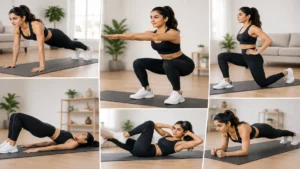
Fitness for Beginners: Easy Guide to Start Your Fitness Journey
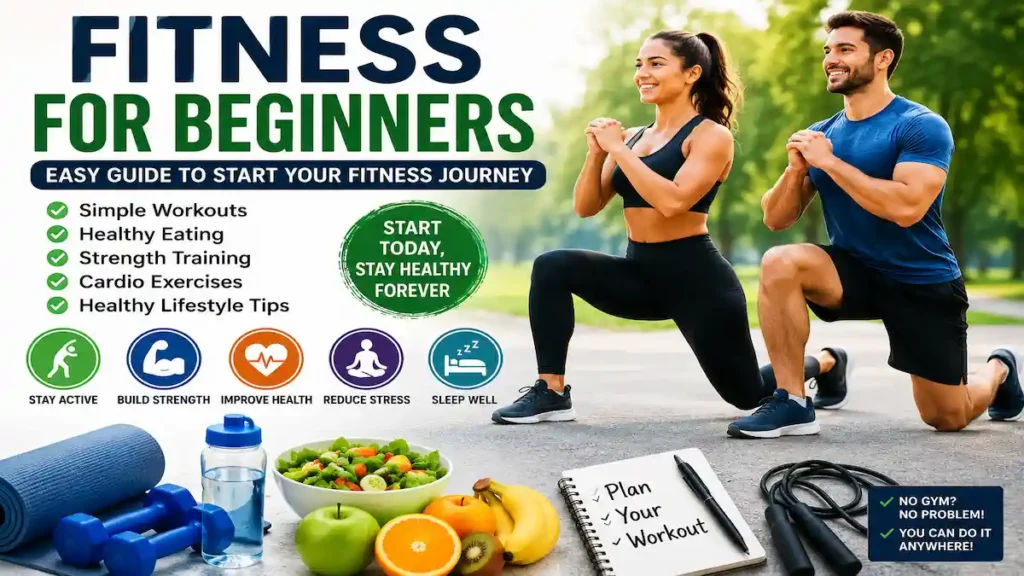
Starting a fitness for beginners journey can feel difficult, especially if you have never exercised regularly before. Starting a fitness program may be one of the best things you can do for your health. Physical activity can lower the risk of long-lasting disease and improve balance and coordination. It can help with weight loss, sleep and self-esteem. But many beginners do not know where to start. There is a lot of fitness information online, and it can be confusing.
You do not need a costly gym membership, expensive equipment, or hard workout plans to begin. The most important thing is to start and build healthy habits that you can follow every day.
Fitness is not just about exercising for a few weeks. It is about living a healthy life that helps your body and mind stay strong. Simple things like walking daily, drinking enough water, eating healthy food, sleeping well, and doing basic exercises can improve your health.
This guide will teach you the basics of fitness in a simple way. You will learn about exercise, workout plans, healthy eating, recovery, motivation, and mistakes to avoid. Whether you want to lose weight, gain muscle, improve stamina, or become healthier, this guide will help you get started.
What Is Fitness? Understanding Fitness for Beginners
Fitness means being able to do daily activities with enough energy and strength. A fit person can do everyday tasks without getting tired too quickly and can enjoy physical activities more easily.
For fitness for beginners, it is important to understand the different parts of fitness.
Fitness includes:
• Cardiovascular endurance
• Muscle strength
• Muscle endurance
• Flexibility
• Balance
• Healthy body composition
Being fit does not mean having a perfect body or looking like an athlete. Fitness means having a healthy body that works well and helps you enjoy life.
The Five Pillars of Fitness
A good fitness plan has five important parts:
- Regular exercise
- Healthy nutrition
- Drinking enough water
- Good sleep
- Proper recovery
When all these parts work together, beginners can get better results and stay healthy.
Why Is Fitness Important for Beginners?
Regular exercise gives many benefits for both the body and mind. Knowing these benefits can help beginners stay motivated.
Better Physical Health Through Fitness for Beginners
Regular exercise helps:
• Make muscles stronger
• Improve heart health
• Build stronger bones
• Improve blood flow
• Support the immune system
• Lower the risk of many illnesses
A regular fitness for beginners routine can help improve overall health.
Long-Term Health Benefits of Fitness
People who exercise often may enjoy:
• Lower blood pressure
• Better cholesterol levels
• Better metabolism
• Lower risk of obesity
• Easier movement as they get older
Better Mental Health Through Exercise
Exercise helps both the body and the mind.
Benefits include:
• Less stress
• Better mood
• Better focus
• More confidence
• Less anxiety
Exercise helps your brain release chemicals that can make you feel happier.
Increased Energy Levels with Regular Fitness
Many beginners think exercise will make them tired. In fact, regular exercise can help increase energy levels by improving blood flow and oxygen in the body.
Define Your Fitness Purpose Before Starting
Before starting any fitness for beginners program, it is important to know your goal.
Ask yourself:
• Do I want to lose weight?
• Do I want to build muscle?
• Do I want to improve my health?
• Do I want to increase stamina?
• Do I want to improve confidence?
Having a clear goal helps you stay motivated.
Why Fitness Goals Matter
When things become difficult, your goals remind you why you started. Goals help you stay focused and see your progress.
Set SMART Fitness Goals for Beginners
SMART goals help beginners stay focused and motivated.
Specific Fitness Goals
Choose a clear goal.
Example:
“I will walk for 30 minutes every day.”
Measurable Fitness Goals
Track your progress.
Example:
“I will complete four workouts each week.”
Achievable Beginner Fitness Goals
Choose goals that fit your current fitness level.
Relevant Health and Fitness Goals
Make sure your goals match your health needs.
Time-Bound Fitness Goals
Set a time limit.
Example:
“I will lose 5 kilograms in three months.”
SMART goals help turn plans into real results.
Start Small and Build Your Beginner Fitness Routine Gradually
One common mistake in fitness for beginners is doing too much too quickly.
Instead of starting with hard workouts, begin with simple activities.
Examples:
• 10-minute walk
• 5-minute stretching routine
• 10 bodyweight squats
Benefits of Starting Small
Starting slowly helps:
• Prevent injuries
• Build good habits
• Reduce burnout
• Increase confidence
Remember that being consistent is more important than working too hard at the beginning.
The 1% Improvement Rule
A good strategy for fitness for beginners is improving a little every day. Walk a few more steps, do one more repetition, or exercise a few more minutes each week. Small improvements can create big results over time.
Create a Balanced Fitness Routine for Beginners
A successful fitness for beginners routine should include different types of exercise.
Cardio Exercise for Beginners
Cardio exercises help your heart and improve stamina.
Examples:
• Walking
• Running
• Cycling
• Swimming
• Dancing
Benefits of Cardio Training
• Burns calories
• Improves heart health
• Increases stamina
• Supports weight loss
Strength Training for Beginners
Strength training helps build muscles and strength.
Examples:
• Push-ups
• Squats
• Lunges
• Resistance band exercises
Benefits of Strength Training
• Stronger muscles
• Better posture
• Better metabolism
• Stronger bones
Flexibility Training for Better Mobility
Flexibility exercises help your body move better and reduce stiffness.
Examples:
• Stretching
• Yoga
• Mobility exercises
Benefits of Flexibility Training
• Better movement
• Lower risk of injury
• Faster recovery
Balance Training for Stability
Balance exercises improve body control and coordination.
Examples:
• Single-leg stands
• Pilates
• Tai Chi
Common Types of Exercise in Fitness for Beginners
Understanding exercise types helps beginners choose the right workouts.
Aerobic Exercise for Beginner Fitness
Aerobic exercise increases your heart rate and breathing.
Examples:
• Brisk walking
• Jogging
• Swimming
• Cycling
Callisthenics Exercises for Beginners
Callisthenics uses your body weight for exercise.
Examples:
• Push-ups
• Pull-ups
• Sit-ups
• Lunges
HIIT Workouts for Beginners
High-Intensity Interval Training uses short periods of hard exercise followed by rest.
Benefits of HIIT Training
• Burns calories quickly
• Improves stamina
• Saves time
Beginners should start slowly before trying HIIT workouts.
Boot Camp Fitness Workouts
Boot camp workouts mix cardio and strength exercises.
Core Training Exercises
Core exercises strengthen the stomach and lower back.
Examples:
• Planks
• Bird-Dog
• Dead Bug
• Glute Bridge
Best Daily Habits for Fitness Beginners
Building healthy habits is one of the most important parts of fitness for beginners.
Daily habits include:
• Walking at least 7,000–10,000 steps
• Drinking enough water
• Eating protein with every meal
• Sleeping 7–9 hours
• Stretching for 5–10 minutes
• Eating less processed food
• Staying active during the day
These habits help support long-term fitness success.
A Simple 1-Week Beginner Fitness Workout Plan
Monday – Beginner Cardio Workout
40-minute brisk walk
Tuesday – Recovery Day
Rest day
Wednesday – Beginner Strength Training
Strength circuit:
• 10 squats
• 10 push-ups
• 10 lunges
Repeat 3 times.
Thursday – Active Recovery
Rest day
Friday – Cardio Fitness Session
30-minute cycling workout
Saturday – Full Body Strength Workout
Strength training circuit
Sunday – Walking Workout
40-minute walk
This fitness for beginners workout plan gives a good balance between exercise and rest.
The Importance of Warm-Up Before Exercise
Warm-ups prepare your body for exercise.
Benefits of Warm-Up Exercises
• Better blood flow
• Better flexibility
• Better performance
• Lower risk of injury
Simple Warm-Up Exercises
• Arm circles
• Jumping jacks
• Marching in place
• Leg swings
Spend 5–10 minutes warming up before every workout.
The Importance of Cool Down After Workouts
Cooling down helps your body recover after exercise.
Benefits of Cooling Down
• Helps heart rate return to normal
• Less muscle tightness
• Better flexibility
Cool Down Exercises
• Slow walking
• Gentle stretching
• Deep breathing
Do not stop hard exercise suddenly.
Nutrition for Fitness Beginners and Healthy Living
Nutrition is very important for reaching fitness goals.
Protein for Muscle Recovery and Growth
Protein helps repair and build muscles.
Sources:
• Eggs
• Milk
• Yogurt
• Fish
• Chicken
• Beans
• Lentils
Carbohydrates for Workout Energy
Carbohydrates give your body energy.
Sources:
• Rice
• Oats
• Whole grains
• Fruits
• Vegetables
Healthy Fats for Overall Health
Healthy fats help your body work properly.
Sources:
• Nuts
• Seeds
• Olive oil
• Avocados
Balanced meals help you exercise better and help your body recover.
Pre-Workout Nutrition Tips
Before exercise, eat light foods such as:
• Banana
• Oatmeal
• Whole-grain toast
• Yogurt
These foods give energy without making you feel too full.
Post-Workout Nutrition Tips
After exercise, focus on:
• Protein
• Water
• Healthy carbohydrates
This helps muscles recover and gives back energy.
Stay Hydrated During Your Fitness Journey
Hydration is important for every fitness for beginners program.
Benefits of Proper Hydration
• Helps muscles work properly
• Prevents dehydration
• Maintains energy levels
• Improves recovery
Drink water regularly throughout the day.
The Importance of Sleep for Fitness Recovery
Sleep is one of the most important parts of recovery.
Benefits of Quality Sleep
• Better muscle recovery
• Better focus
• More energy
• Better workout performance
Try to sleep 7–9 hours every night.
Real-Life Beginner Fitness Experience and Expectations
Most beginners face challenges during the first few weeks.
Common experiences include:
• Muscle soreness
• Feeling tired
• Low motivation
• Slow progress
These experiences are normal.
What Happens During the First Month?
Your body slowly gets used to being more active.
Many beginners notice:
• Better sleep
• Better mood
• More energy
• More strength
Consistency is the key to success.
What Happens After Three Months?
Many people notice:
• Visible body changes
• Better stamina
• Better posture
• More confidence
• Stronger muscles
This is why consistency is more important than perfection.
How to Track Fitness Progress Effectively
Tracking your progress can help you stay motivated.
What Should Beginners Track?
• Completed workouts
• Walking distance
• Strength improvements
• Waist measurements
• Energy levels
• Sleep quality
A fitness journal or mobile app can help you track progress.
Beginner Fitness Equipment for Home Workouts
You do not need expensive equipment to start exercising.
Resistance Bands for Beginner Strength Training
Affordable and useful.
Yoga Mat for Home Fitness
Makes floor exercises more comfortable.
Dumbbells for Muscle Building
Useful for strength training.
Jump Rope for Cardio Fitness
Great for cardio workouts.
Water Bottle for Hydration
Helps you stay hydrated.
Common Fitness Myths for Beginners
Many beginners believe myths that can slow progress.
Myth 1: You Need a Gym Membership to Get Fit
Truth: Home workouts can work very well.
Myth 2: Sweating Means More Fat Loss
Truth: Sweat helps cool your body.
Myth 3: Beginners Must Exercise Every Day
Truth: Rest days are important.
Myth 4: Cardio Is the Only Way to Lose Weight
Truth: Strength training can also help.
Myth 5: Weight Training Makes Everyone Bulky
Truth: Building large muscles needs special training and nutrition.
Safety Tips for Fitness Beginners
Safety should always come first.
Important Beginner Fitness Safety Tips
• Wear proper shoes.
• Drink enough water.
• Warm up before workouts.
• Use correct exercise form.
• Increase intensity slowly.
• Listen to your body.
• Stop if you feel pain.
Talk to a healthcare professional if you have health concerns.
Common Nutrition Mistakes in Fitness for Beginners
Many beginners make nutrition mistakes that affect progress.
Skipping Breakfast Before Workouts
Can lower energy levels.
Not Eating Enough Protein
Can slow muscle recovery.
Drinking Sugary Beverages
Adds extra calories.
Eating Excessive Junk Food
Can make fitness goals harder to reach.
Ignoring Daily Hydration
Can reduce workout performance.
How to Stay Motivated During Your Fitness Journey
Motivation helps, but consistency brings results.
Track Your Fitness Progress
Write down your workouts and achievements.
Celebrate Small Fitness Wins
Every improvement is important.
Exercise with Friends
Friends can help keep you motivated.
Listen to Workout Music
Music can make exercise more fun.
Choose Activities You Enjoy
Fun activities are easier to continue.
Expert Tips for Fitness Beginners and Long-Term Success
Fitness experts often recommend:
• Start slowly.
• Stay consistent.
• Learn correct exercise form.
• Focus on recovery.
• Eat balanced meals.
• Drink enough water.
• Take rest days.
• Be patient.
Healthy habits create long-lasting results.
Signs Your Beginner Fitness Plan Is Working
Many beginners expect fast physical changes.
However, progress often starts inside the body.
Positive Signs of Fitness Improvement
• Better sleep
• More energy
• Better mood
• More strength
• Better stamina
• More confidence
Celebrate every success during your fitness for beginners journey.
Conclusion: Start Your Fitness for Beginners Journey Today
Starting a fitness journey for beginners may seem hard at first, but every healthy lifestyle starts with one small step. You do not need expensive equipment, advanced workout plans, or perfect conditions to improve your health.
By following a balanced fitness for beginners routine that includes cardio exercise, strength training, flexibility exercises, healthy eating, hydration, good sleep, and recovery, you can achieve long-term results. Remember that fitness is not about being perfect—it is about making progress.
Keep going, trust the process, and build healthy habits every day. Every workout, every healthy meal, and every good choice brings you closer to your fitness goals and a healthier, stronger future.
Frequently Asked Questions (FAQs) About Fitness for Beginners
What is the best exercise for beginners?
Walking is one of the best exercises for beginners because it is simple, safe, and effective.
How many days a week should beginners exercise?
Most beginners should exercise 3–5 days each week.
Is walking enough for beginner fitness?
Yes, walking is great for health. Adding strength training can give even better results.
How long should a beginner’s workout last?
Most beginner workouts should last between 20 and 45 minutes.
Can I lose weight without going to the gym?
Yes. Home workouts, walking, and healthy eating can help with weight loss.
Is strength training safe for beginners?
Yes. Using proper form and increasing slowly makes strength training safe.
What is the best time to exercise?
The best time is the time you can exercise regularly.
How much water should I drink daily?
Everyone needs different amounts, but drinking water throughout the day is important.
Can I build muscle at home?
Yes. Bodyweight exercises and simple equipment can help build muscle.
What should I do if I miss a workout?
Just continue your routine the next day.
Why am I not seeing fitness results?
Possible reasons include:
• Missing workouts often
• Poor nutrition
• Not enough sleep
• Unrealistic expectations
Should beginners take rest days?
Yes. Rest days help muscles recover and help prevent injuries.
Fitness Disclaimer: This article is for educational purposes only. Always talk to a healthcare professional before starting a new fitness, exercise, or nutrition program, especially if you have a medical condition or injury.

Medical Disclaimer
This content is for informational purposes only and should not be considered medical advice.